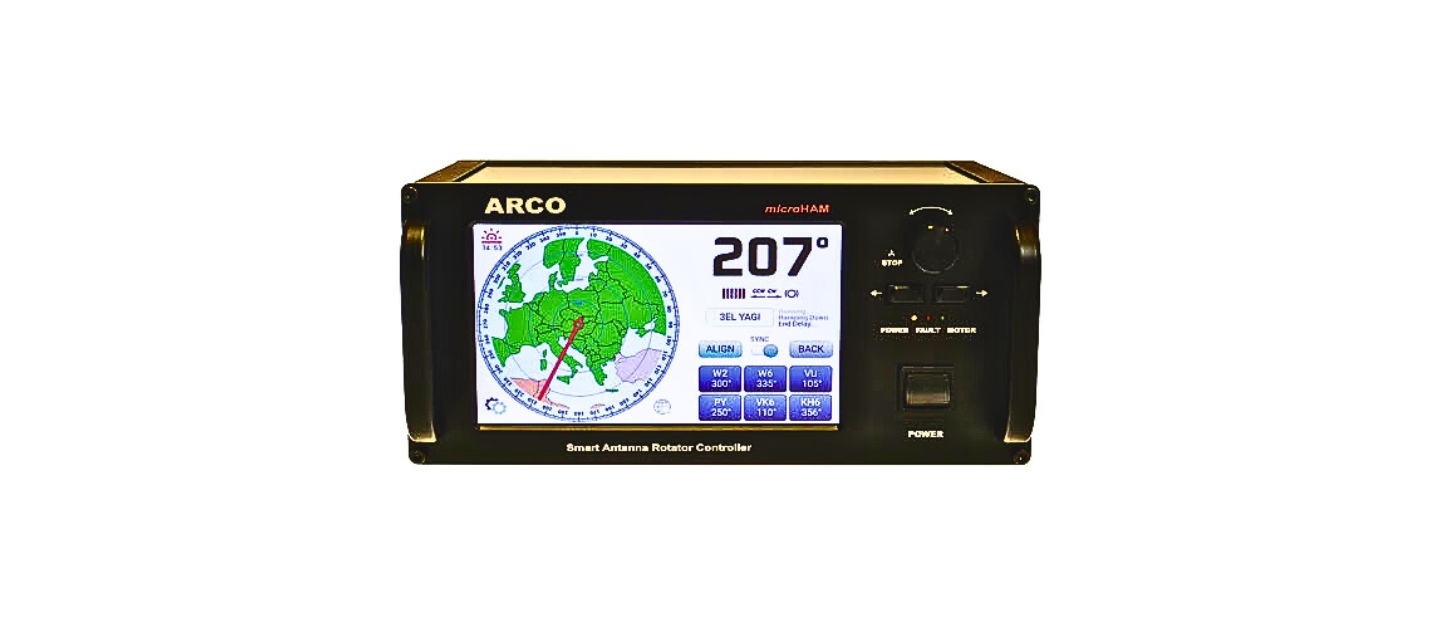
An ARCO rotor controller manages antenna rotation with dependable mechanical precision. Moreover, it helps operators aim directional antennas accurately during operation. Therefore, it plays a vital role in overall station performance. Additionally, many classic and modern stations continue using ARCO control systems successfully.
Why Antenna Rotation Is Important
Directional antennas require precise aiming to achieve maximum forward gain. Moreover, small heading changes can significantly improve received signals. Therefore, accurate rotation directly affects communication quality. Additionally, proper orientation reduces interference from unwanted directions.
Core Purpose of an ARCO Rotor Controller
The controller sends controlled power to the rotor motor through a dedicated cable. Additionally, it receives position feedback from the rotor sensing system. Moreover, this feedback displays antenna heading clearly on the front panel. Therefore, operators always know antenna direction during operation.
Internal Design and Build Quality
ARCO rotor controllers use robust transformers and reliable switching components. Moreover, these components support continuous duty operation under heavy loads. Additionally, solid construction resists electrical and mechanical stress. Therefore, many units remain functional after decades of service.
Control Interface and Ease of Use
Most ARCO controllers feature simple knobs or toggle switches for rotation. Moreover, analog meters display direction in easy to read increments. Therefore, operation remains intuitive for new and experienced operators. Additionally, simple controls reduce mistakes during fast adjustments.
Accuracy and Direction Indication
Accuracy depends on correct calibration between the rotor and controller. Moreover, mechanical indicators require occasional verification. Therefore, operators should align displays with known compass headings. Additionally, accurate indication improves repeatability during operating sessions.
Display Features and Readability
The ARCO rotor controller display provides clear visual feedback of antenna direction. Moreover, most units use an analog meter that shows heading in degrees. Therefore, operators can quickly confirm antenna orientation at a glance. Additionally, the large scale markings improve readability from across the operating position.
Accuracy and Display Behavior
The display reflects rotor position through a feedback sensing system. Moreover, smooth needle movement indicates proper calibration and wiring. Therefore, sudden jumps or drift often signal alignment issues. Additionally, accurate display behavior builds operator confidence during precise aiming.
Lighting and Visibility
Many ARCO displays include backlighting for low light operation. Moreover, illumination improves visibility during night operating sessions. Therefore, operators can adjust antennas without external lighting. Additionally, consistent lighting reduces eye strain during long operating periods.
Display Limitations
However, analog displays lack digital precision and preset memories. Moreover, needle drift can occur as components age. Therefore, operators must periodically verify accuracy. Additionally, displays provide direction only, not rotation speed or automation data.
Maintaining Display Accuracy
Routine calibration keeps the display aligned with true antenna direction. Moreover, gentle handling prevents meter damage. Therefore, careful maintenance preserves long term accuracy. Additionally, clean connections ensure stable and reliable readings.
Overall Value of the Display
The ARCO rotor controller display emphasizes simplicity and reliability. Moreover, it delivers immediate directional awareness without complexity. Therefore, many operators appreciate its straightforward design. Ultimately, the display supports effective antenna control with minimal distraction.
Installation Planning and Setup
Installation begins with selecting a safe indoor mounting location. Moreover, adequate ventilation prevents heat buildup during extended use. Therefore, careful placement protects internal components. Additionally, operators must verify correct voltage selection before powering the unit.
Wiring and Cable Management
Control cables connect the controller directly to the rotor unit. Moreover, correct wire order ensures proper motor direction. Therefore, careful labeling prevents crossed connections. Additionally, strain relief protects terminals from vibration and movement.
Compatibility With Rotors and Antennas
ARCO controllers work best with matching ARCO rotor models. Moreover, torque ratings must match antenna size and wind load. Therefore, mismatched systems risk mechanical failure. Additionally, proper pairing ensures smooth and reliable rotation.
Daily Operating Practices
Operators should rotate antennas using short, controlled movements. Moreover, gradual adjustments reduce mechanical stress on gears. Therefore, smooth operation extends rotor lifespan. Additionally, careful movement improves aiming accuracy during weak signal work.
Performance During DX and Contesting
During DX operation, precise rotation helps isolate distant signals. Moreover, contest operators benefit from quick directional changes. Therefore, ARCO controllers support competitive operating styles. Additionally, reliable control reduces distractions during busy operating periods.
Advantages of Using an ARCO Controller
ARCO controllers deliver consistent power to demanding rotor systems. Moreover, they handle large antennas without excessive strain. Therefore, they suit serious HF and VHF installations. Additionally, their simple design improves long term reliability.
Durability and Long Term Reliability
Many ARCO units feature metal enclosures and quality internal components. Moreover, this construction resists wear from frequent use. Therefore, owners often report decades of dependable service. Additionally, repairable designs extend useful lifespan.
Limitations of Older ARCO Controllers
However, many ARCO controllers lack digital presets or memory features. Moreover, analog meters may drift over time. Therefore, operators rely on manual positioning. Additionally, automation options remain limited without modification.
Maintenance and Calibration Needs
Regular inspection keeps the controller operating smoothly. Moreover, checking connections prevents intermittent electrical faults. Therefore, routine care avoids unexpected failures. Additionally, periodic calibration maintains accurate directional readings.
Troubleshooting Common Issues
Slow rotation often indicates wiring or voltage problems. Moreover, erratic readings may signal feedback line faults. Therefore, systematic testing isolates issues quickly. Additionally, early diagnosis prevents further damage.
Safety Considerations
Operators must disconnect power before servicing the controller. Moreover, exposed terminals can carry hazardous voltages. Therefore, safety procedures remain essential during maintenance. Additionally, proper grounding reduces electrical risk.
ARCO Rotor Controller
An ARCO rotor controller delivers dependable antenna positioning control. Moreover, it supports accurate aiming and efficient operation. Therefore, it remains a trusted solution for directional antennas. Ultimately, proper installation and maintenance ensure long lasting performance.
Please consider Donating to help support this channel