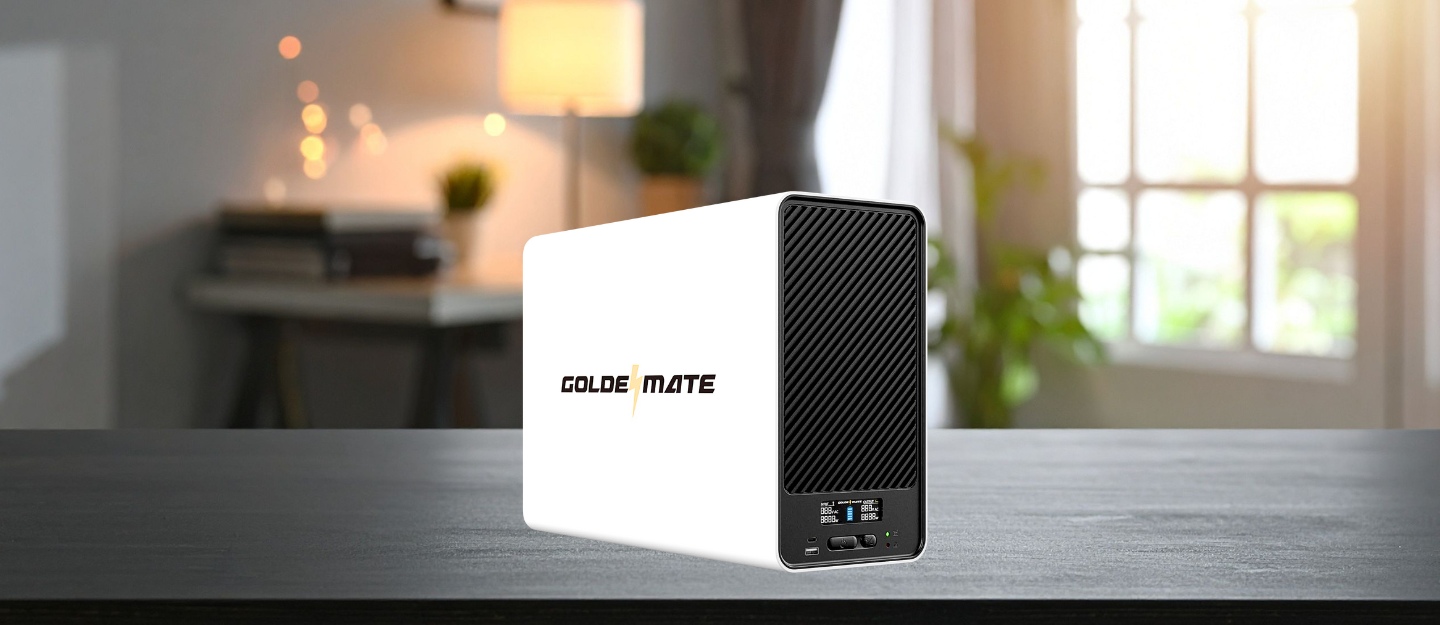
Battery backup keeps your station alive when commercial power fails unexpectedly. Therefore, it protects emergency communications and preserves operating capability during storms.
Additionally, it prevents abrupt shutdowns that can damage modern radios and computers. However, many operators underestimate power needs and choose inadequate systems. Consequently, poor planning leads to short runtimes and unsafe installations.
Understanding Your Power Requirements
Start by calculating the current draw of every connected device. Then, add transmit current, not just receive current, for accurate results. However, duty cycle matters because voice, digital, and CW loads differ greatly. Therefore, average current often matters more than peak current. Additionally, include accessories like tuners, rotators, and network gear.
Next, decide how long you want the station running without grid power. For example, emergency operators often target eight to twenty-four hours. Consequently, higher runtime demands larger batteries or reduced transmit power. Therefore, balancing expectations with realism prevents overspending.
Battery Capacity and Sizing Basics
Battery capacity uses amp-hours at a specific voltage rating. Therefore, convert radio current draw into total amp-hours needed. However, never plan to use full rated capacity. Instead, design around fifty percent depth of discharge for longevity. Consequently, your battery bank must be larger than simple math suggests.
Additionally, consider voltage sag under heavy transmit loads. Therefore, choose batteries with low internal resistance. Otherwise, radios may shut down during high-power transmissions. As a result, performance suffers during critical moments.
Lead-Acid Batteries: Proven but Heavy
Flooded lead-acid batteries offer low cost and predictable behavior. However, they require ventilation due to hydrogen gas during charging. Therefore, indoor installations demand caution and proper airflow. Additionally, flooded batteries need periodic maintenance.
AGM and gel batteries improve safety and convenience. Consequently, they work well inside ham shacks with limited space. However, they still weigh heavily and dislike deep discharges. Therefore, careful sizing and conservative charging extend their lifespan.
Lithium Iron Phosphate: Modern and Efficient
LiFePO4 batteries deliver high usable capacity with stable voltage. Therefore, radios maintain consistent output until near depletion. Additionally, these batteries weigh far less than lead-acid equivalents. Consequently, portable and fixed stations benefit greatly.
However, lithium batteries require proper battery management systems. Therefore, quality matters more than brand recognition alone. Additionally, cold-temperature charging limits must be respected. Otherwise, permanent damage may occur.
Charging Systems and Power Integration
A smart charger ensures batteries charge fully without overcharging. Therefore, match charger chemistry settings precisely to the battery type. Additionally, current capacity should support both charging and operating loads. Consequently, undersized chargers slow recovery after outages.
Many operators integrate power supplies with automatic battery switching. Therefore, the station transitions seamlessly during outages. Additionally, isolation prevents noise from switching supplies. As a result, receive performance remains clean.
Safety Considerations Every Operator Must Follow
Battery systems store enormous energy and demand respect. Therefore, always use proper fusing close to battery terminals. Additionally, use adequately sized cables to prevent overheating. Consequently, voltage drop and fire risk decrease.
Physical mounting also matters. Therefore, secure batteries against tipping or vibration. Additionally, keep terminals covered to prevent accidental short circuits. As a result, the shack remains safer during routine maintenance.
RFI Creators
Many battery backup systems can cause RFI, but the battery itself stays silent. Therefore, the charger, inverter, or DC converters usually create the noise. Additionally, switching chargers generate harmonics that travel on DC cables. Consequently, that noise enters radios through power leads and re-radiates from wiring.
However, you can reduce or eliminate the problem. First, use linear or low-noise chargers when possible. Additionally, place ferrite chokes on DC cables near the charger and radio. Then, keep charging equipment physically separated from receivers. Finally, bond and ground all equipment properly.
As a result, a well-designed battery backup remains nearly invisible on the bands.
Battery Backup Planning for Expansion and Future Needs
Operators rarely keep the same station forever. Therefore, design battery backup systems with expansion in mind. Additionally, modular battery banks allow gradual upgrades. Consequently, costs spread over time while capability grows.
Finally, document wiring, ratings, and procedures clearly. Therefore, troubleshooting becomes faster during stressful outages. Additionally, clear labeling improves safety for anyone assisting you. As a result, your battery backup becomes a reliable asset, not a liability.
Please consider Donating to help support this channel