
Complete Guide to Baofeng Radios
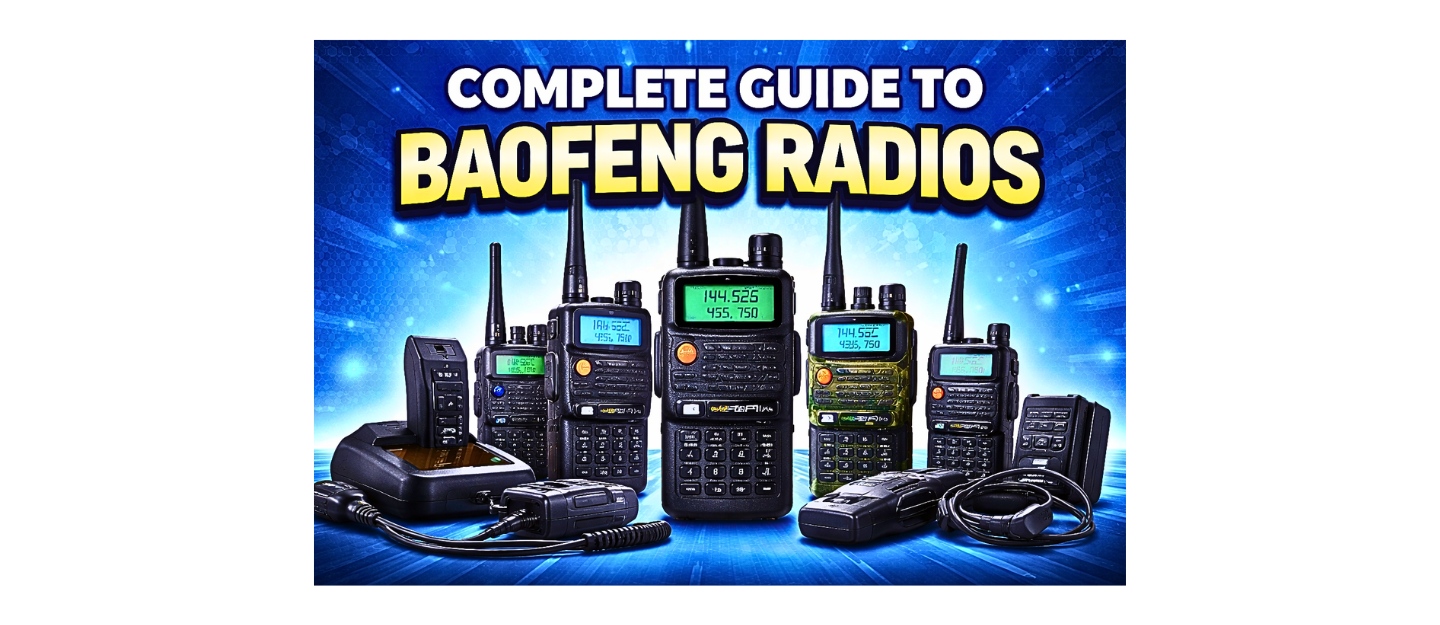
Complete Guide to Baofeng Radios, they are among the most widely used handheld transceivers in amateur radio because they are affordable, versatile, and capable of far more than their price suggests. Many operators start with a Baofeng as their first radio, while experienced hams often keep one as a backup, travel radio, or portable field unit. However, although they are inexpensive, they are not “simple toys.” Proper setup, programming, and operation make a dramatic difference in performance and usability.
This guide explains how Baofeng radios work, how to choose the right model, how to program them correctly, and how to get the best real-world performance.
What Baofeng Radios Are and Why They’re Popular
Baofeng handhelds are compact VHF/UHF transceivers that provide voice communication across amateur radio bands and other authorized services depending on configuration. Most models support dual-band operation, meaning they can transmit and receive on both 2-meter VHF and 70-centimeter UHF frequencies.
Their popularity comes from several factors:
- extremely low cost compared to other handheld radios
- wide frequency coverage
- programmable memory channels
- strong aftermarket accessory ecosystem
- flexible software programming options
- compact portable design
Because of this, Baofeng radios are commonly used for:
- entry-level amateur radio operation
- emergency preparedness
- portable field operations (POTA, SOTA, field day)
- monitoring repeaters
- scanning local communications
- experimentation and learning radio fundamentals
Most Common Baofeng Models
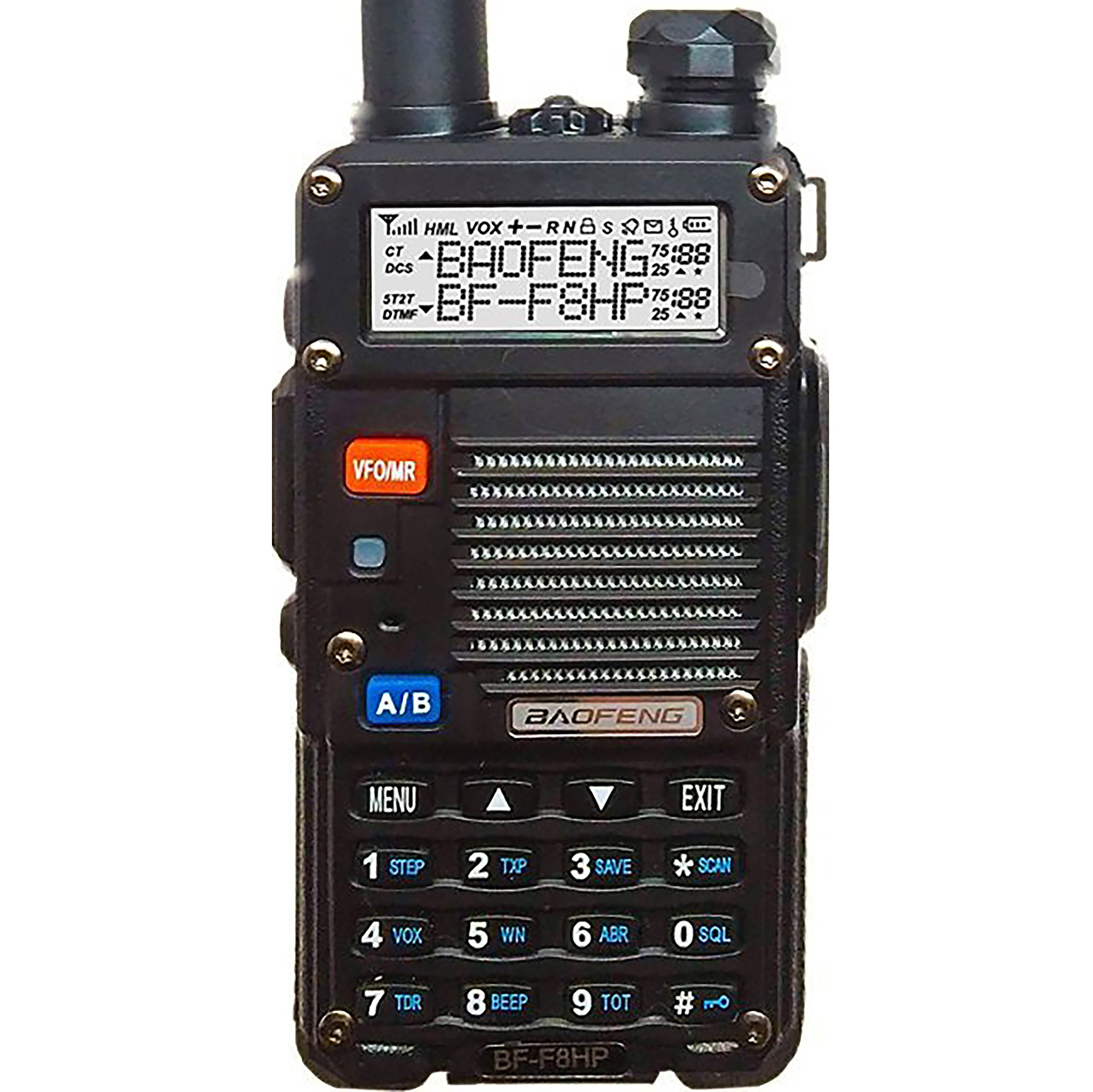
Baofeng produces many models, but a few dominate the amateur radio market.
Baofeng UV-5R Mini
The most recognized and widely owned Baofeng. Compact, inexpensive, and capable of dual-band operation. Ideal for beginners and general use.
Baofeng BF-F8HP
A higher power version of the UV-5R platform with improved battery capacity and output options. Popular for users needing more transmit range.
UV-82
Features a larger body and dual push-to-talk buttons for switching between channels. Often considered more ergonomic for heavy use.
UV-9R
Designed for rugged outdoor environments with water-resistant construction and reinforced casing.
All share similar operating concepts, programming methods, and accessory compatibility.
Frequency Coverage and Operating Capabilities
Most Baofeng handhelds provide receive coverage across a wide portion of VHF and UHF spectrum, but transmit capability is typically limited to amateur bands unless modified. Standard transmit ranges usually include:
- 136–174 MHz (VHF)
- 400–520 MHz (UHF)
They support:
- FM voice communication
- repeater offset programming
- CTCSS and DCS tone encoding
- memory channel storage
- dual watch monitoring
However, they are analog radios and do not support digital voice modes such as DMR, Fusion, or D-Star.
Programming a Baofeng Radio
Manual keypad programming is possible but slow and error-prone. Software programming is strongly recommended.
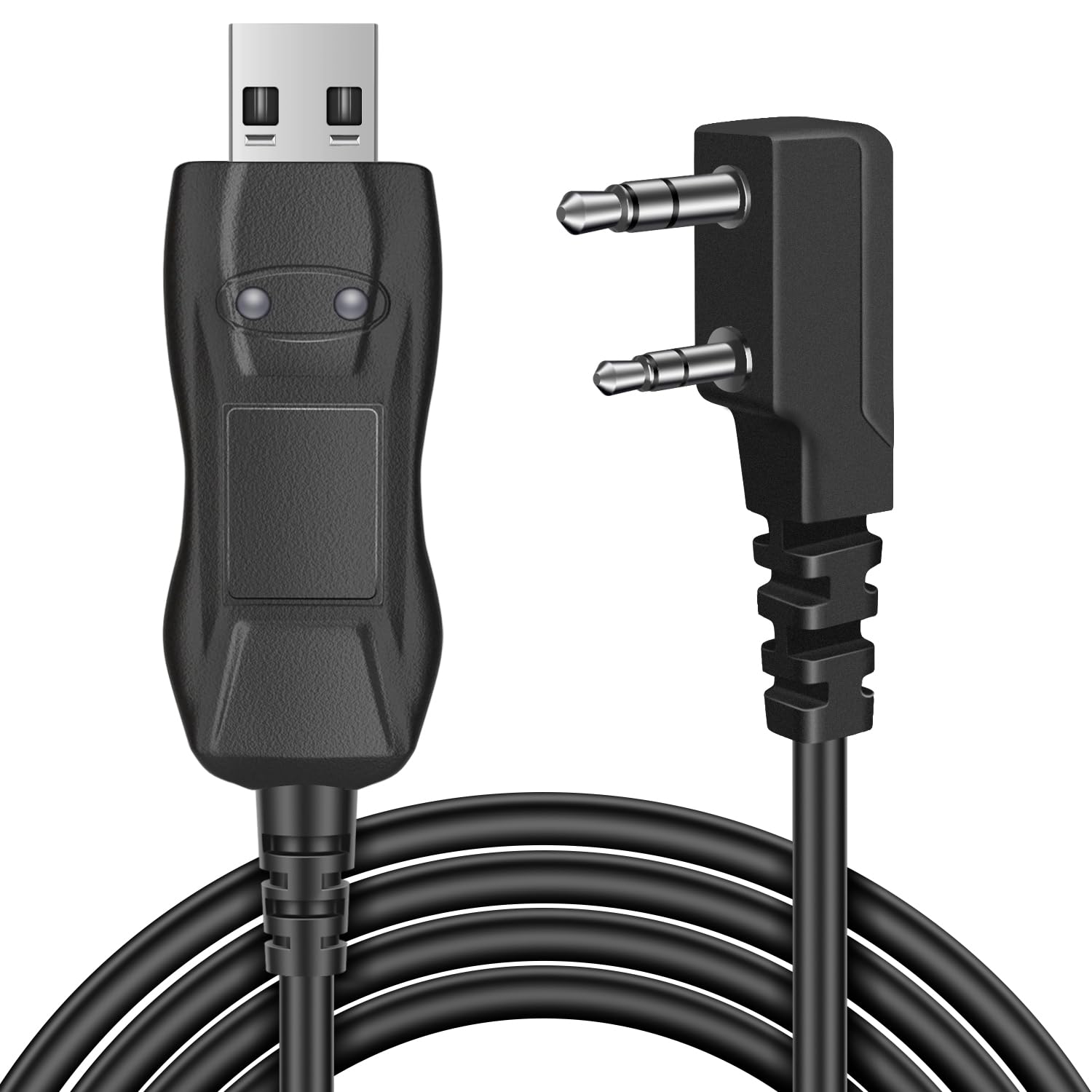
Programming Baofeng Radios with CHIRP Software
CHIRP is the most widely used Programming tool. It allows you to:
- load repeater frequencies
- assign channel names
- configure tones and offsets
- clone configurations between radios
- manage large memory lists quickly
Basic workflow:
- connect radio to computer using programming cable
- read existing radio memory
- edit frequency list
- upload new configuration
Software programming dramatically reduces setup time and mistakes.
Antennas and Performance Upgrades
Stock antennas work, but performance improves significantly with upgrades.
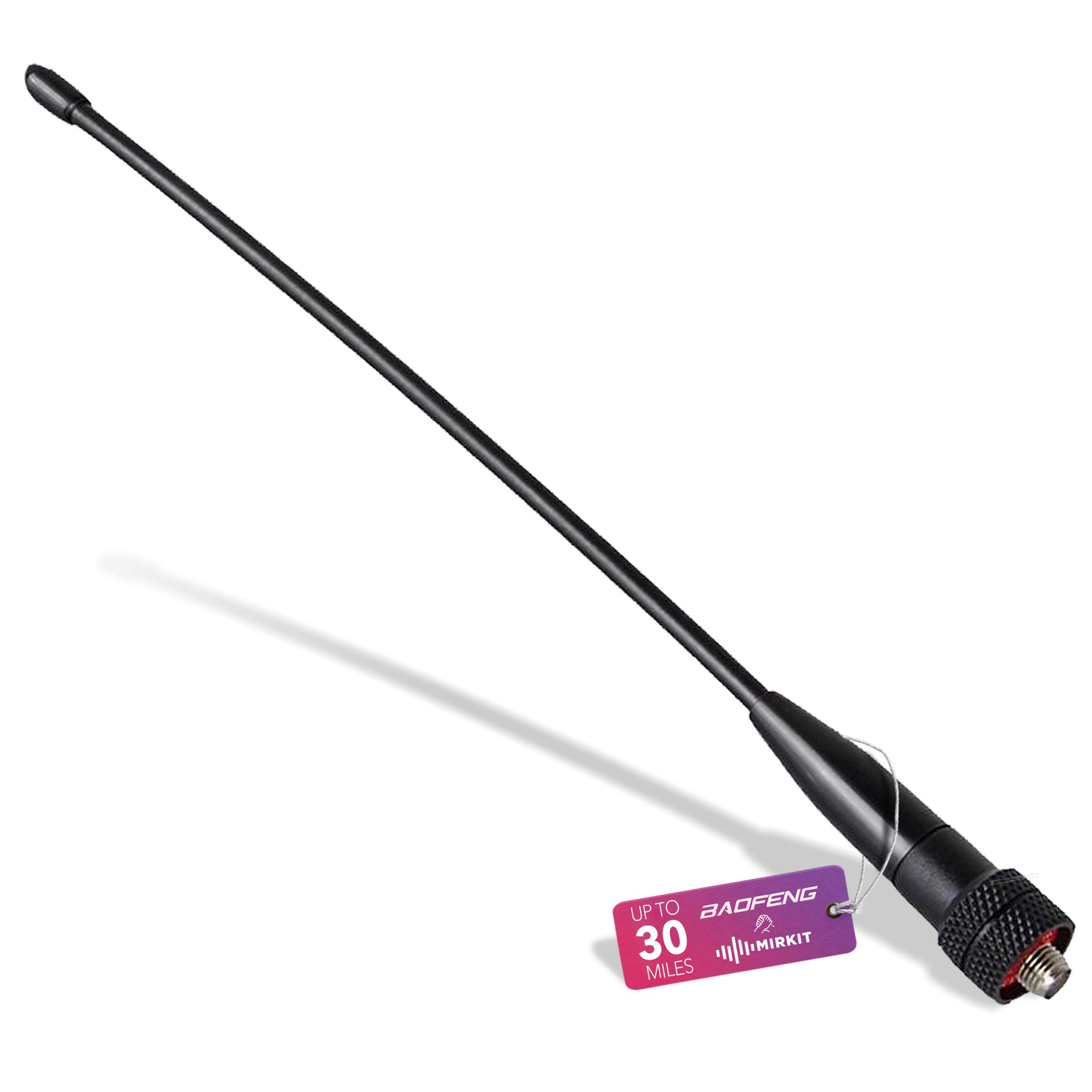
Common Antenna Improvements
Longer whip antenna
Improves gain and receive sensitivity.
Mobile magnetic mount antenna
Transforms handheld into temporary mobile station.
Base station external antenna
Allows indoor radio to operate like a fixed station.
Better antennas often provide more improvement than increasing transmit power.
Batteries, Chargers, and Power Management
Baofeng radios use lithium-ion battery packs that provide several hours of operation depending on transmit duty cycle. High-capacity batteries extend runtime and are widely available.
Important considerations:
- avoid deep discharge
- store partially charged for long periods
- keep spare battery for field use
- use quality chargers to prevent overheating
For extended operations, many users carry multiple batteries rather than relying on maximum power settings.
Audio and Signal Quality
Audio clarity depends on:
- microphone technique
- antenna efficiency
- repeater access
- proper tone settings
- transmit power level
Baofeng radios perform well when properly configured, but overloaded front ends in high-RF environments can reduce receive performance compared to higher-end radios.
Proper squelch adjustment and channel programming improve usability significantly.
Legal and Licensing Considerations
Operating on amateur radio frequencies requires an amateur radio license in most countries. Users must follow:
- authorized frequency allocations
- power limits
- proper identification procedures
Programming radios outside permitted transmit ranges may violate regulations. Always operate within local legal guidelines.
Common Problems and Troubleshooting
Cannot access repeater
Check offset direction, frequency, and tone settings.
Poor transmit range
Upgrade antenna or move to higher location.
Radio receives but does not transmit
Verify transmit permissions and programming configuration.
Interference or noise
Adjust squelch or relocate radio away from electronic noise sources.
Most operational issues result from programming errors rather than hardware faults.
Real-World Performance Expectations
With stock antenna in typical urban terrain:
- simplex range often 1–3 miles
- repeater range significantly greater depending on elevation
With upgraded antenna or elevated location:
- simplex range can increase dramatically
- repeater access improves substantially
Height and antenna efficiency influence performance more than transmit power alone.
When a Baofeng Is the Right Choice
Baofeng radios excel when you need:
- affordable entry into amateur radio
- portable communication capability
- backup emergency radio
- experimentation platform
- learning tool for programming and repeaters
They are not intended to replace high-end radios in demanding RF environments, but they offer tremendous capability for their cost.
Complete Guide to Baofeng Radios
Baofeng radios remain one of the most accessible gateways into amateur radio operation. When properly programmed, equipped with a quality antenna, and operated within legal guidelines, they provide reliable communication performance for everyday use, field activity, and emergency readiness.
Understanding how to configure and optimize them transforms these inexpensive handhelds into highly capable communication tools.
Please consider Donating to help support this channel