
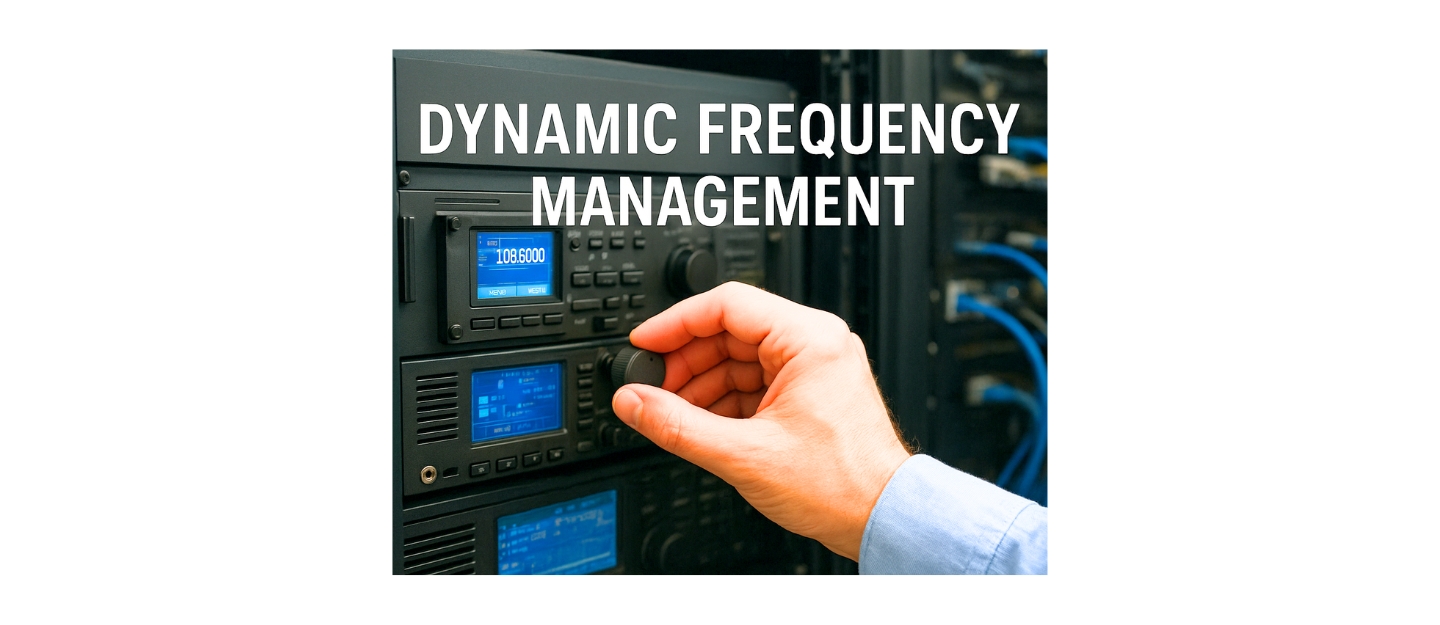
Dynamic frequency management plays a crucial role in the success of any amateur radio contest. During these high-intensity events, operators compete to make as many valid contacts as possible, often within tight timeframes and using limited bandwidth.
Efficient frequency allocation and adjustment can make or break a station’s performance, especially when the bands are crowded with hundreds of simultaneous transmissions.
The Challenge of Spectrum Congestion
Contests often create extreme levels of traffic on the HF bands. As operators scramble to find clear frequencies, the airwaves quickly become congested. Without dynamic frequency management, this chaos can lead to interference, reduced contact rates, and unnecessary frustration. Therefore, managing your frequency effectively becomes a strategic necessity.
Moreover, propagation conditions constantly shift during a contest. What may begin as a strong signal path on 20 meters can fade within hours. As a result, operators must frequently reassess their band and frequency usage to stay competitive. Static frequency plans simply don’t cut it in such a fluid environment.
Transitioning Between Bands
Transitioning between frequency bands is a core aspect of dynamic frequency management. For instance, when solar conditions improve and higher bands open, skilled operators quickly pivot to capitalize on new opportunities. Similarly, when signals weaken or interference intensifies, it’s essential to drop to lower bands to maintain communication efficiency.
In many cases, operators set predefined band plans before the contest. However, sticking rigidly to them can limit flexibility. Instead, they should use real-time data from spotting networks, propagation forecasts, and local noise levels to guide their decisions. Consequently, they can avoid wasting time on dead or overloaded frequencies.
Intra-Band Frequency Movement
Beyond shifting bands, effective dynamic frequency management also involves moving within a single band. Suppose you are running a frequency on 40 meters and another strong signal pops up nearby. In that case, shifting a few kilohertz away may preserve your run frequency without starting over. This micro-adjustment approach is particularly useful during peak contest hours when open frequencies are scarce.
Moreover, running stations that adjust their frequency slightly between contacts can avoid persistent interference and maintain a steady QSO rate. On the other hand, search-and-pounce operators must be nimble and constantly scan the band to find new stations without wasting time in already saturated segments.
Coordinating with Team Members
Multi-operator stations must also implement dynamic frequency management across all operating positions. Since multiple operators might be active on different bands simultaneously, coordination is key. For example, if one operator notices band conditions shifting in favor of 15 meters, they should communicate this so another team member can switch quickly and exploit the opening.
Additionally, contest software that integrates band and frequency tracking allows teams to dynamically allocate resources. These tools not only reduce frequency overlap but also help teams plan efficient band transitions throughout the contest period. As a result, they can maximize the number of multipliers and overall QSOs.
Anticipating Propagation Changes
To manage frequencies effectively, anticipating propagation changes is just as important as reacting to them. By monitoring solar indices, gray line movement, and recent DX clusters, operators can predict when and where activity is likely to surge. Therefore, they can shift frequency or band at the right moment, often before others catch on.
This proactive strategy offers a competitive edge. Rather than reacting to crowding, operators who move early can secure clear frequencies, dominate a band for a period, and rack up high rates before interference catches up. Over time, this results in a more efficient and productive contest effort.
Using Technology to Assist
Modern radio technology offers several features that enhance dynamic frequency management. For example, spectrum scope displays allow operators to visually scan for activity, making it easier to spot open slots. In addition, some radios offer memory banks and band stacking, which allow for rapid switching between pre-configured frequency pairs.
Furthermore, remote contesting tools give operators even greater flexibility. When running a station with multiple receivers and antennas, dynamic frequency selection becomes part of a larger strategy to exploit geographic and atmospheric advantages.
Dynamic Frequency Management
Dynamic frequency management is no longer a luxury, it’s a necessity in competitive radio contesting. With ever-increasing activity and variable propagation conditions, only those who actively monitor, adjust, and plan their frequency usage can maintain a winning pace.
By leveraging transitions within and across bands, coordinating with teammates, and integrating modern tools, operators can maintain clarity, avoid congestion, and maximize performance from the opening bell to the final second.
Please consider Donating to help support this channel