
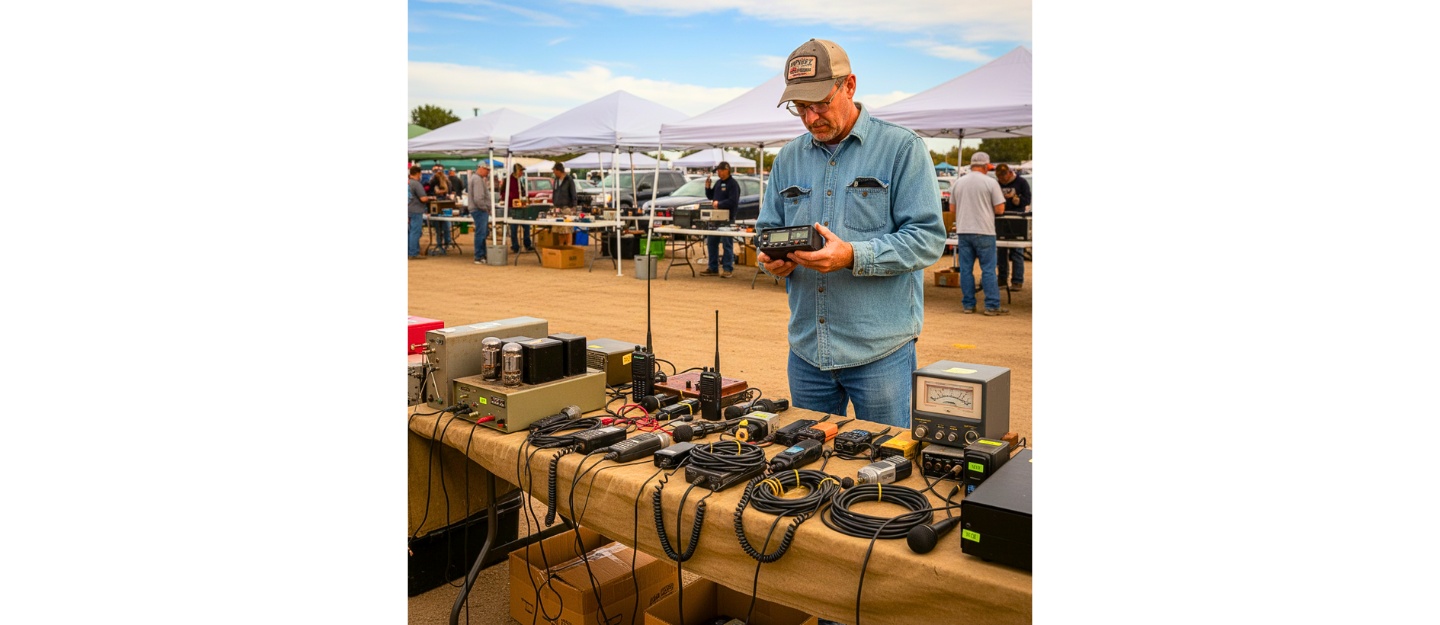
Hamfests give radio amateurs a rare chance to handle and evaluating used gear before buying, and this access often prevents costly mistakes. Moreover, buyers can compare multiple rigs side by side, which reveals differences that photos never show. However, excitement can cloud judgment, so preparation matters. Therefore, smart shoppers arrive with a clear goal and a realistic budget in mind.
Research Before You Walk In
Preparation starts well before the doors open. First, you should study common models, known issues, and average prices so you recognize a fair deal instantly. Additionally, learning which accessories normally ship with a radio helps you spot missing items. As a result, you avoid overpaying for incomplete gear that looks attractive at first glance.
Inspecting the Exterior Condition
Physical condition tells a story about how the gear lived its previous life. For example, scratches, dents, and loose knobs often signal rough handling. Meanwhile, clean connectors and intact labels usually suggest careful ownership. Therefore, you should rotate knobs, press buttons, and gently flex cables to uncover hidden wear.
Powering Up and Basic Testing
Whenever possible, you should ask to power up the equipment on the spot. Then, you can check display brightness, audio clarity, and basic functions without guesswork. Furthermore, listening for hums or crackling noises helps identify aging components. Consequently, even a short test can reveal problems that later become expensive repairs.
Asking the Right Questions
Conversation with the seller provides valuable context. For instance, asking where the radio was used often explains wear patterns you see. Additionally, learning why the gear is for sale may uncover recent upgrades or unresolved issues. However, vague answers should raise caution, so trust your instincts when responses feel evasive.
Evaluating Accessories and Modifications
Accessories add value only when they function correctly. Therefore, you should inspect microphones, power cords, and mounting brackets closely. Moreover, internal modifications deserve extra scrutiny because poorly executed changes reduce reliability. As a result, stock or lightly modified equipment often offers fewer surprises for new owners.
Pricing and Negotiation Tactics
Price evaluation separates regret from satisfaction. First, compare the asking price with typical used values you researched earlier. Then, you can politely negotiate by pointing out wear or missing items. However, fair deals close quickly, so balance patience with decisiveness when the numbers make sense.
Knowing When to Walk Away
Not every deal deserves your money. If testing feels rushed or the seller resists inspection, you should step back. Likewise, uncertainty about major functions often signals future frustration. Therefore, walking away protects your budget and keeps the hobby enjoyable.
Evaluating Used Gear at Hamfests Without Regrets
Evaluating used gear at hamfests rewards patience, knowledge, and confidence. Moreover, careful inspection and honest negotiation turn uncertainty into assurance. Ultimately, when you buy with intention instead of impulse, you leave the hamfest with equipment you trust and no regrets.
Please consider Donating to help support this channel