
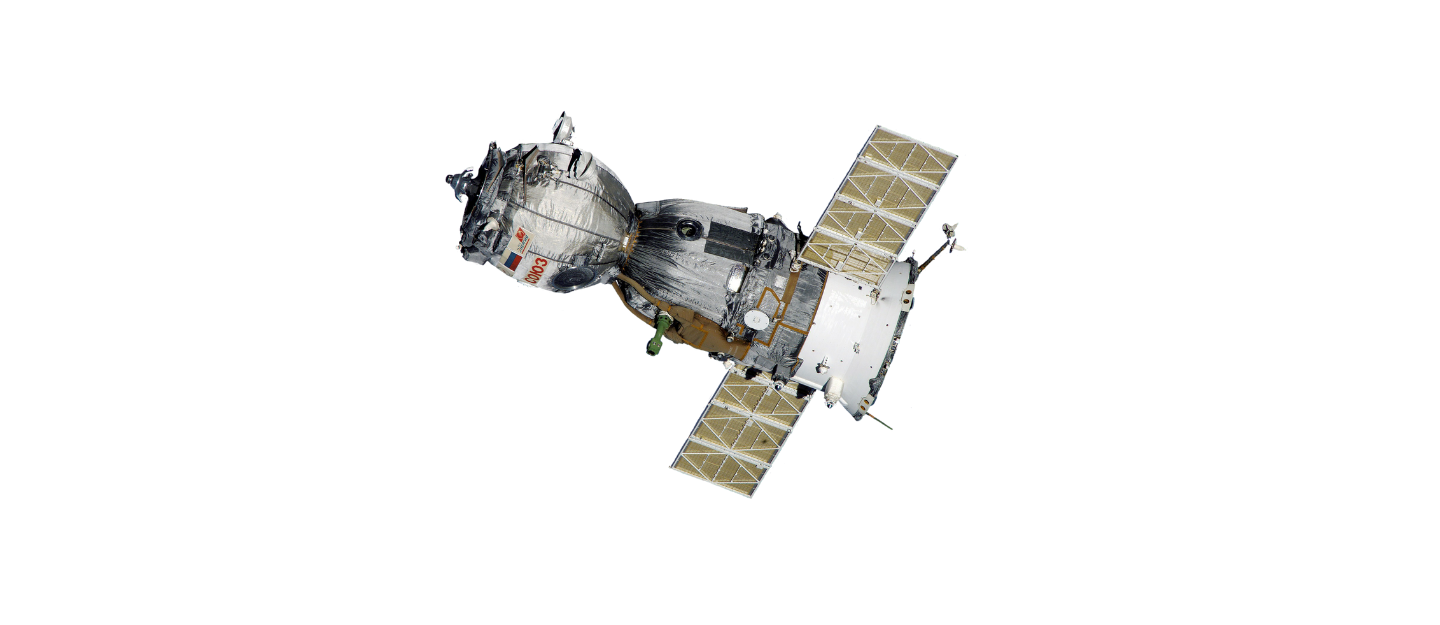
Exploring satellite communication has become a new frontier for amateur operators and a unique playground for experimentation and discovery. Once limited to governments and large corporations, satellite communication is now accessible to amateur radio operators worldwide. Today, operators can communicate through space using relatively simple equipment. This article explores how satellite communication works, why it is exciting, and how you can get started.
A basic understanding of satellite communication begins with the transmission and reception of radio signals through artificial satellites orbiting the Earth. These satellites act as relays, receiving signals from ground stations and retransmitting them back to other locations. As a result, communication can occur over extremely large distances.
Amateur radio satellites, often called “birds,” vary in size, design, and orbital path. Some operate in low Earth orbit (LEO), while others operate in geostationary orbit (GEO). Each type behaves differently and requires different operating techniques.
New to the hobby? Start with ourComplete Guide to Ham Radio Fundamentals.
Exploring Satellite Communication offers a unique mix of technical challenge and reward. Unlike terrestrial radio, which depends mostly on line-of-sight propagation, satellite operation requires precise timing, accurate tracking, and careful antenna positioning. Because satellites move rapidly across the sky, operators must work quickly and efficiently to complete contacts. In return, satellite communication allows global reach, technical experimentation, and connection with operators around the world.
Understanding Doppler Shift in Satellite Communication
As satellites move rapidly relative to Earth, the frequency of received signals changes continuously. This effect is called Doppler shift.
When a satellite approaches, the received frequency increases slightly. When it moves away, the frequency decreases. Therefore, operators must continuously adjust their radio frequency during a satellite pass to remain properly tuned.
On VHF and UHF satellites, Doppler shift can be several kilohertz. Because of this, operators either tune manually during the pass or pre-program frequency steps into their radios. Without correction, signals quickly drift out of range.
Exploring Satellite Orbits and Frequencies
Amateur radio satellites operate in different orbital configurations, and each orbit affects coverage, operating time, and equipment requirements.
Low Earth orbit (LEO) satellites travel quickly around the planet. They provide brief communication windows as they pass overhead. These passes typically last only a few minutes but occur multiple times per day.
Medium Earth orbit (MEO) and geostationary orbit (GEO) satellites are less common in amateur radio. However, they provide coverage over much larger regions. Geostationary satellites remain fixed over one point on Earth, allowing continuous communication without tracking movement. These systems usually require more advanced equipment and precise antenna alignment.
LEO vs GEO Amateur Radio Satellite Comparison
Different satellite orbits behave very differently in real operation. Therefore, understanding their characteristics helps operators choose the right system.
Low Earth orbit satellites move rapidly across the sky and provide short communication windows that typically last between five and fifteen minutes. Because they move relative to Earth, operators must track their position continuously and adjust antenna direction throughout the pass. However, they are extremely popular because equipment requirements are modest and passes occur frequently.
Geostationary satellites remain fixed over a single region of Earth. This allows continuous coverage without tracking movement. Operation becomes simpler once the antenna is properly aimed. However, communication usually requires more complex equipment and highly directional antennas because of the greater distance.
Most amateur operators begin with LEO satellites because they are easier to access and provide frequent operating opportunities.
Getting Started with Satellites
Operating through amateur radio satellites presents several challenges, including Doppler shift, signal fading, and limited pass duration. However, the rewards are significant. Successful contacts, often called “birds in the log,” represent technical skill, preparation, and persistence. Each contact builds experience and confidence.
Getting started is easier than many operators expect. A basic understanding of satellite motion, appropriate equipment, and access to satellite tracking tools are usually sufficient. Many operators successfully use handheld radios or mobile rigs with dual-band VHF/UHF capability, along with directional antennas for tracking.
Essential Equipment for Amateur Satellite Communication
Most beginner satellite stations are surprisingly simple. Many successful operators use handheld radios and portable antennas rather than large fixed installations.
A basic satellite station typically includes:
• Dual-band VHF/UHF transceiver, preferably full duplex
• Directional antenna such as a handheld Yagi or log periodic
• Headphones for hearing weak downlink signals
• Satellite tracking software or mobile tracking app
• Frequency adjustment capability for Doppler correction
More advanced stations may include antenna rotators, preamplifiers, and computer-controlled tracking systems. However, portable equipment remains extremely effective for most LEO satellite operation.
Step-by-Step Guide to Making Your First Satellite Contact
Making a first satellite contact becomes much easier when following a structured process.
Check satellite pass predictions for your location.
Select a high-elevation pass for stronger signals.
Program uplink and downlink frequencies in advance.
Begin listening before the satellite rises above the horizon.
Adjust frequency gradually to compensate for Doppler shift.
Announce your call sign clearly and briefly.
Log the contact before the satellite moves out of range.
Preparation is essential because most passes last only a few minutes. Every adjustment must happen quickly and efficiently.
Common Beginner Mistakes in Satellite Operation
Many new satellite operators encounter similar challenges when learning how to make successful contacts.
Failing to listen before transmitting is one of the most common mistakes and often results in missed opportunities. Incorrect frequency programming can prevent contact entirely, especially when uplink and downlink settings are reversed.
Poor antenna pointing dramatically reduces signal strength. Even small directional errors can make communication difficult. Ignoring Doppler shift causes signals to drift out of range during a pass, which leads to lost contact.
Another frequent issue is transmitting too long. Satellite communication requires short, efficient exchanges so multiple operators can share limited pass time. Precision and timing are essential for success.
Exploring Satellite Communication Satisfaction
One of the most rewarding aspects of Exploring Satellite Communication is the sense of accomplishment it brings. Unlike typical HF or VHF contacts, satellite operation requires precise timing, antenna tracking, and coordination with orbital movement. Successfully completing a contact demonstrates preparation and technical skill.
Satellite passes are brief, often lasting only a few minutes. During that time, operators must establish communication quickly despite fading signals and competition from other stations. This urgency creates excitement and encourages continual skill improvement.
Satellite operation also builds strong connections within the amateur radio community. Operators share tracking information, exchange operating techniques, and celebrate successful contacts together. Whether operating individually or as part of a group, the shared experience creates lasting enthusiasm.
Frequently Asked Questions About Amateur Radio Satellites
How far can amateur radio satellites reach?
Coverage depends on orbital altitude, but many satellites allow communication across entire continents during a pass.
Do you need a license to use amateur satellites?
Yes. Operators must hold a valid amateur radio license appropriate for the operating frequencies used.
Are satellite contacts difficult to make?
They require timing and practice, but basic contacts are achievable with simple equipment and preparation.
Can handheld radios work with satellites?
Yes. Many operators successfully use handheld dual-band radios with directional antennas.
How long does a satellite pass last?
Most low Earth orbit satellite passes last between five and fifteen minutes, depending on the satellite’s path and elevation.
Please consider Donating to help support this channel