
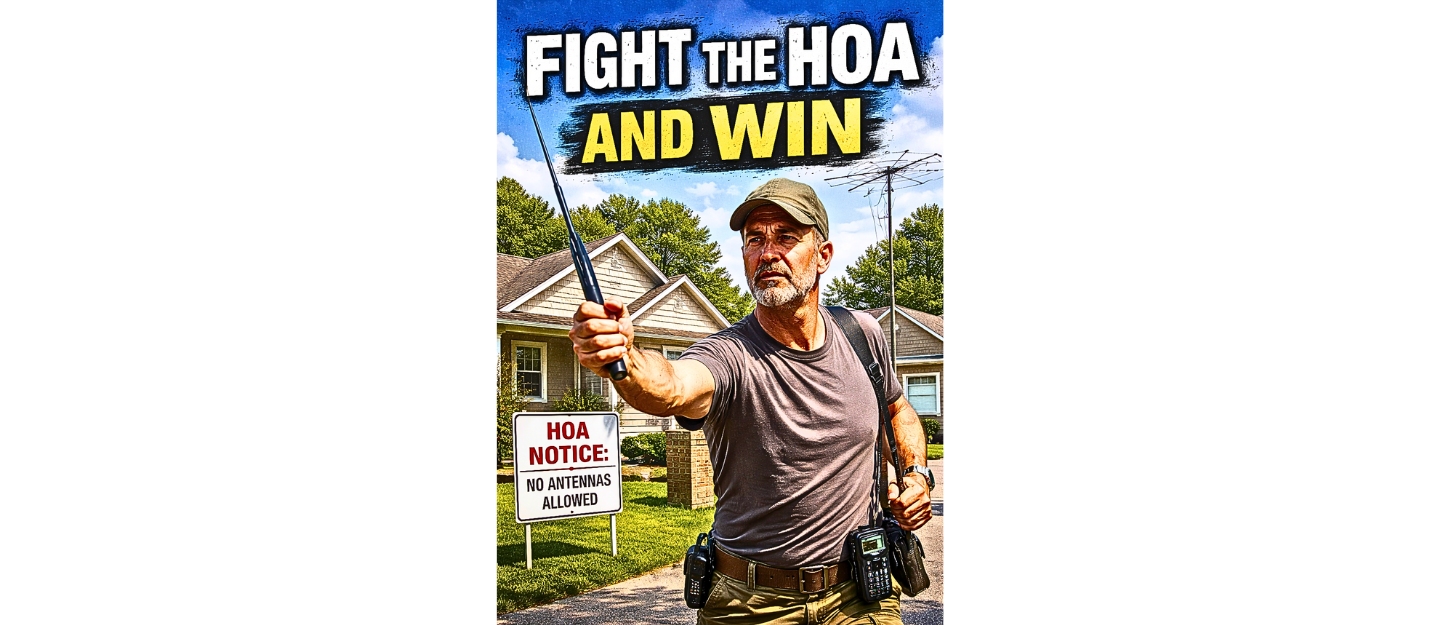
How to fight the HOA and win, homeowners associations regulate appearance, uniformity, and perceived property value. Because antennas alter visual landscapes, HOAs often restrict or prohibit them.
Amateur radio operators frequently find themselves at odds with covenants written long before modern communication needs emerged. Moreover, many HOAs apply rules broadly without understanding radio service value. As a result, conflicts arise not from malice but from rigid governance.
What the Amateur Radio Parity Act Aims to Change
The Amateur Radio Parity Act seeks to balance private land-use rules with the public value of amateur radio. Because existing federal protections favor municipal zoning over private covenants, HOAs historically held stronger authority.
The Act proposes reasonable accommodation rather than unrestricted antenna rights. Additionally, it emphasizes negotiation instead of confrontation. Consequently, the Act reframes the issue as cooperation rather than exemption.
Preparing Before You Push Back
Preparation determines success more than passion. Because HOAs rely on documentation, you must master your governing documents first. Therefore, you should read covenants, architectural guidelines, and enforcement procedures carefully. Additionally, you should identify vague language that allows interpretation. As a result, you position yourself to argue from the HOA’s own rules.
Framing Your Case Strategically
How you present your request matters as much as what you request. Because HOAs fear visual impact, you should lead with mitigation plans. Therefore, propose antenna types, placement, and screening methods upfront. Additionally, you should emphasize minimal visibility and reversibility. Consequently, you transform your proposal from a demand into a solution.
Using Reasonable Accommodation Language
Reasonable accommodation forms the core of successful arguments. Because the Act focuses on balance, you should avoid absolutist language. Therefore, you should ask for permission to install an effective antenna rather than the largest possible one.
Additionally, you should explain why smaller or hidden options fail to meet operational needs. As a result, you show good faith and technical necessity simultaneously.
Educating Without Preaching
Most HOA boards lack technical knowledge about amateur radio. Because of this gap, misinformation spreads easily. Therefore, you should explain antennas in plain terms without jargon. Additionally, you should clarify that amateur radio does not interfere with consumer electronics when installed correctly. Consequently, education reduces fear and resistance.
Emergency Communication When Phones Go Silent
Explain how emergency communication forms one of the strongest arguments for amateur radio. Because cellular networks depend on power, backhaul, and overloaded infrastructure, phones often fail during disasters. Therefore, hurricanes, ice storms, wildfires, and earthquakes regularly leave entire neighborhoods without service. Additionally, internet-based messaging collapses when towers lose power or fiber links fail. As a result, amateur radio remains one of the few systems that continue operating independently.
Amateur radio stations function without commercial infrastructure. Because operators use local power, generators, or batteries, communication continues when the grid drops. Therefore, trained amateurs relay information for shelters, emergency managers, and weather services. Additionally, operators provide situational awareness when 911 systems overload. Consequently, an antenna in a neighborhood becomes a safety asset rather than an eyesore.
Documenting Every Interaction
Documentation protects you. Because HOA disputes escalate slowly, records become critical. Therefore, you should keep copies of emails, letters, meeting minutes, and responses. Additionally, you should confirm verbal discussions in writing afterward. Consequently, you establish a clear timeline and evidence trail.
Write down every detail when you are documenting, How, What, When, Where, and Why
Navigating the Approval Process
Most HOAs require architectural review. Because delays often stall projects, you must follow procedures precisely. Therefore, submit complete applications with drawings, photos, and specifications. Additionally, you should meet deadlines and respond promptly to questions. As a result, the board loses procedural excuses for denial.
Handling Denials Professionally
Denials do not end the process. Because many boards reject requests reflexively, persistence matters. Therefore, you should request written justification citing specific rules. Additionally, you should propose revisions that address stated concerns. Consequently, you force the board into reasoned decision-making.
Using Compromise as a Tactical Tool
Compromise does not equal surrender. Because incremental wins establish precedent, smaller approvals matter. Therefore, you might accept a temporary or reduced installation initially. Additionally, successful operation strengthens future requests. As a result, compromise becomes a stepping stone rather than a defeat.
When to Escalate
Escalation requires careful timing. Because aggressive moves harden opposition, you should exhaust internal remedies first. Therefore, appeal within the HOA structure before seeking outside help. Additionally, you should demonstrate ongoing cooperation. Consequently, escalation appears justified rather than hostile.
Legal Awareness Without Legal Threats
Understanding legal context strengthens confidence. Because the Act influences interpretation, you should reference its principles carefully. Therefore, avoid threats while signaling informed awareness. Additionally, you should frame compliance as mutual protection. As a result, the board recognizes risk without feeling attacked.
Building Community Support
Neighbors influence boards. Because HOAs respond to collective sentiment, allies matter. Therefore, you should talk with neighbors and address concerns directly. Additionally, visible support changes board dynamics. Consequently, your request gains political weight within the community.
Winning Means More Than Approval
Winning does not always mean installing the biggest antenna. Because long-term harmony matters, success includes coexistence. Therefore, maintaining professionalism preserves future flexibility. Additionally, respectful victories open doors for others. As a result, you contribute to broader acceptance beyond your own station.
Fight HOA and Win
When you Fight the HOA and Win do it gracefully and let go of hostility. Because preparation, education, and persistence drive outcomes, strategy beats confrontation. Therefore, operators who respect process while asserting necessity achieve the best results. Ultimately, winning means securing effective communication while proving that amateur radio and community standards can coexist.
Please consider Donating to help support this channel