
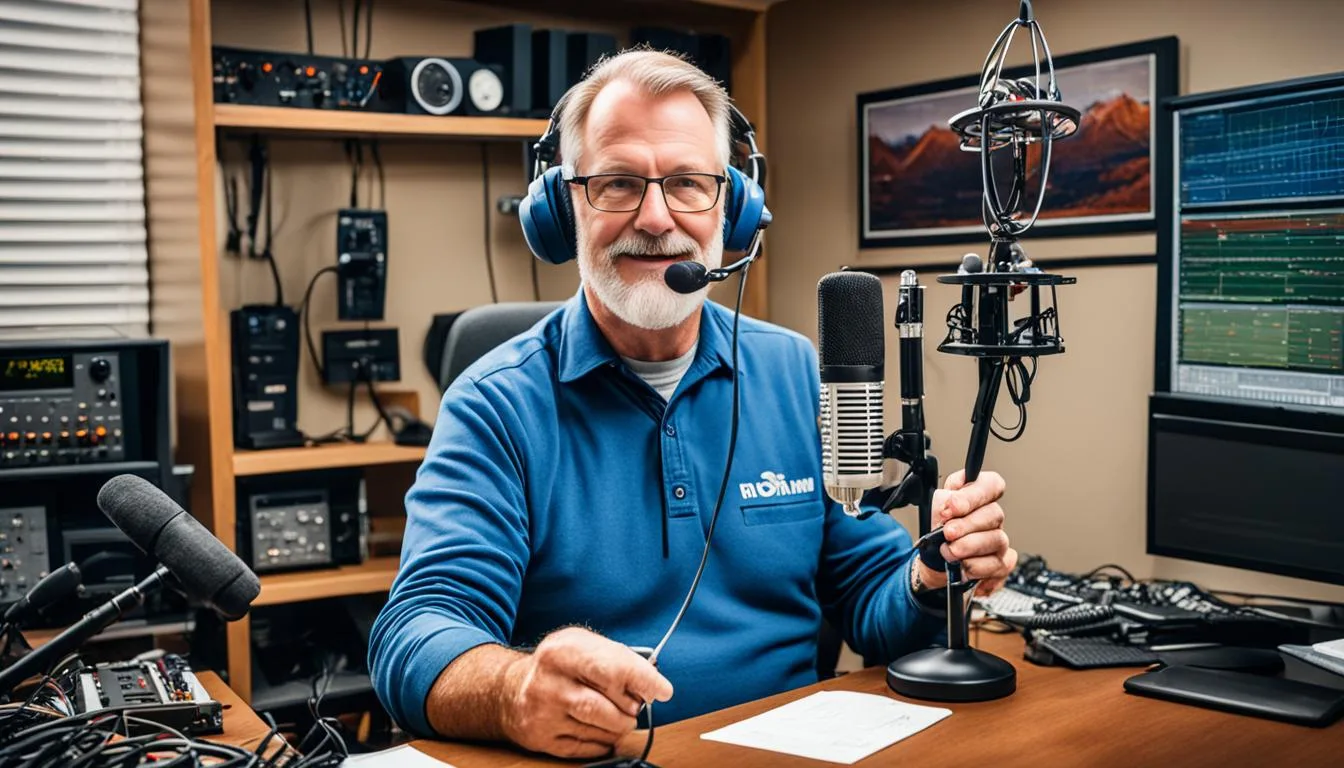
Ham radio etiquette is crucial for maintaining respectful and clear on-air interactions among amateur radio operators. By following these best practices, you can contribute to a harmonious ham radio community and ensure a positive experience for all.
New to the hobby? Start with our Complete Guide to Ham Radio Fundamentals.
Listening
Listening first is an essential part of ham radio etiquette. Before transmitting, take the time to listen and familiarize yourself with the ongoing conversations. This allows you to join the conversation seamlessly and prevent accidentally talking over someone.
Legalities
Properly identifying yourself is another vital aspect of on-air conduct. When initiating a communication, it is important to provide your call sign clearly and concisely. This ensures that others can recognize and address you correctly.
Keeping it legal is of utmost importance on ham radio. Familiarize yourself with the regulations governing amateur radio operations in your jurisdiction and operate within the specified guidelines. This ensures not only your compliance but also the integrity of the entire ham radio community
Speaking Clearly
Speaking clearly and using proper phonetics greatly enhances communication on the airwaves. Clear pronunciation and standardized phonetic alphabets minimize misunderstandings, especially when signal conditions are less than optimal.
Acknowledging receipt is a simple yet effective way to confirm that you have understood a transmission. Use standard phrases like “Roger” or “Copy” to acknowledge receipt of messages or to indicate that you are ready to proceed. This helps prevent redundant or unnecessary transmissions.
Respect
Respecting others is a fundamental principle of ham radio etiquette. Treat fellow operators with courtesy and refrain from engaging in disrespectful or inflammatory communication. Recognize and appreciate the diverse experiences and backgrounds of your fellow operators.
Additionally, respecting privacy is essential when engaging in ham radio conversations. Avoid sharing personal or sensitive information without appropriate consent. Protect the privacy and security of your fellow operators.
Waiting Your Turn
Waiting your turn is crucial in maintaining order and efficiency on the airwaves. Avoid excessive interruptions and allow others to complete their transmissions before initiating your own. Patience promotes a smooth flow of communication and fosters a positive atmosphere.
Being patient and helpful demonstrates your commitment to the ham radio community. Assist others with technical issues or questions when you can, and extend patience and understanding to those who are less experienced or facing challenges.
Maintaining good operating practices promotes efficient and effective communication on the airwaves. This includes adjusting your equipment settings properly, avoiding excessive power output, and minimizing interference with other operators.
Etiquette for DXing and Contesting
When engaging in DXing or contesting, it is crucial to adhere to specific etiquette guidelines to ensure respectful and fair on-air interactions. Following these guidelines not only promotes a positive experience for all operators but also upholds the spirit of ham radio etiquette.
The first source offers a comprehensive list of rules to follow when contacting DX stations. Some key guidelines include:
- Waiting for the DX station to end a contact before calling.
- Sending your full call sign when making a contact.
- Avoiding transmission when the DX operator is addressing another call sign or requesting geographic areas that are not yours.
- Learn how to use and identify when a station is working split frequency.
Interfering With Others
It is essential to avoid interfering with the DX station, making it crucial not to tune up on the DX frequency or QSX slot. This ensures clear communication and avoids disrupting ongoing contacts.
In contesting, fair play and respect are of utmost importance. One essential etiquette guideline is to refrain from stealing someone’s frequency. This means avoiding the act of intentionally transmitting on a frequency already in use by another station. The goal is to promote fair competition and maintain a level playing field.
The second source focuses on additional etiquette suggestions for operating in the FT8 digital mode, a popular mode for DXing and contesting. It emphasizes reducing audio drive to prevent splatter, which refers to the unwanted interference caused by an excessively high transmitter output. This helps maintain a clean signal and minimizes disruption to other operators.

Using QRP (low power) levels is recommended to minimize interference and demonstrate good operating practices. It is also essential to practice split operation, where you transmit on one frequency and listen on another. This helps prevent congestion on crowded frequencies and facilitates efficient communication.
One of the key aspects of ham radio etiquette is maintaining respect and consideration for fellow operators. By following these DXing and contesting etiquette guidelines, you contribute to an enjoyable and harmonious ham radio community.
| DXing Etiquette Guidelines |
|---|
| Wait for the DX station to end a contact before calling. |
| Send your full call sign. |
| Avoid transmitting when the DX operator is addressing another call sign or requesting geographic areas that are not yours. |
| Avoid interference with the DX station. |
| Avoid tuning up on the DX frequency or QSX slot. |
Amateur Radio Etiquette for Repeaters
Proper etiquette is crucial when operating on repeaters. It ensures clear and respectful communication among ham radio operators. To maintain a positive experience for everyone involved, it’s important to follow these best practices:
- Use simplex whenever possible: Utilize simplex frequencies for direct communication when the repeater is not necessary. This helps avoid congestion and enhances efficiency.
- Wait for a pause between transmissions: If you want to talk while the repeater is in use, wait for a break in the conversation to announce your call sign. This allows for seamless communication and prevents disruption.
- Keep contacts through a repeater short and to the point: Avoid lengthy conversations on repeater channels, as it restricts access for other users. Be concise and considerate of others’ needs to utilize the repeater as well.
- Refrain from monopolizing the repeater: It’s important to share the repeater resources with others. Avoid dominating the conversation and give other operators an opportunity to use the repeater.
- Avoid breaking into a contact without reason: If there is an ongoing conversation, refrain from interrupting unless you have something significant to contribute. Interrupting without a valid reason is considered incorrect and may be seen as interference.
- Identify yourself properly when joining a conversation: If you wish to join an ongoing conversation, introduce yourself clearly and provide your call sign. This helps maintain a courteous and accountable atmosphere.
- Support repeater operators: Repeater systems require maintenance and financial resources to remain operational. Show appreciation for the repeater operators who keep the system on the air by adhering to proper etiquette and reporting any issues or interference promptly.
By following these repeater communication etiquette guidelines, you contribute to a cooperative and harmonious ham radio community, ensuring an optimal experience for all operators involved.
Repeater Communications Etiquette Table
| Etiquette Guidelines | Benefits |
|---|---|
| Use simplex whenever possible | Reduces repeater congestion and enhances communication efficiency |
| Wait for a pause between transmissions | Promotes seamless communication and prevents disruption |
| Keep contacts through a repeater short and to the point | Allows fair access to the repeater for all users |
| Refrain from monopolizing the repeater | Ensures fair distributions of resources |
| Avoid breaking into a contact without reason | Maintains a respectful and interference-free environment |
| Identify yourself properly when joining a conversation | Promotes accountability and accountability |
| Support repeater operators | Ensures the continued availability and stability of the repeater system |

Etiquette for FM Ham Radio Satellites and Contesting
When engaging in FM ham radio satellites or contesting, it is crucial to adhere to proper etiquette guidelines to ensure smooth and respectful communication. By following these guidelines, you can contribute to a positive and fair environment for all ham radio operators.
When it comes to FM ham radio satellites, there are specific tips to keep in mind:
- Listen to the satellite before transmitting to understand ongoing conversations and prevent unnecessary interference.
- Wait your turn and avoid interrupting ongoing contacts. Patience is key.
- Use phonetics to ensure clear and accurate communication, making it easier for others to understand your call sign.
- Minimize repeat QSOs (contacts) to give more operators the opportunity to engage.
- Allow rare stations to have more time on the air, acknowledging their significance to other operators.
In the context of contesting, following good practices and displaying ethics is crucial:
- Avoid stealing someone’s frequency. Respecting established frequencies ensures fair play among all participants.
- Set pre-contest schedules ethically, preventing overlap or unnecessary conflicts.
- Address any bad key clicks or splatter that may disrupt the smooth flow of communication during contests.
- Cooperate and maintain a respectful relationship with weekend rag-chewers (casual operators) during major contests to ensure a harmonious ham radio community.
By upholding these principles of proper etiquette, you can have a rewarding experience during FM ham radio satellite contacts and contests, while contributing to the overall quality of communication on the airwaves.
Conclusion
Ham radio etiquette is crucial for fostering a respectful and harmonious community of amateur radio operators. By adhering to the recommended best practices, such as actively listening, properly identifying oneself, and speaking clearly, we can contribute to effective on-air communication. Whether engaged in DXing, contesting, utilizing repeaters, or operating satellites, following etiquette guidelines ensures fair play and a positive experience for all.
Remember that maintaining good operating practices, respecting privacy, and promoting goodwill are essential aspects of ham radio etiquette. By embracing these principles, we can continue to enjoy the wonders of ham radio and nurture a supportive community. Let us strive to always uphold the highest standards of on-air conduct, creating an environment that encourages learning, collaboration, and the spirit of amateur radio.
By incorporating these best practices into our ham radio activities, we not only ensure clear and efficient communication, but also demonstrate our commitment to the values and traditions of this amazing hobby. Together, let’s embrace the importance of ham radio etiquette, honor the spectrum we have been entrusted with, and promote the continued growth and enjoyment of amateur radio for generations to come.
Legal Identification Requirements Every Operator Must Follow
Proper station identification is not just etiquette — it is a legal requirement. Operators must transmit their call sign at regular intervals during communication and at the end of a contact. Failure to properly identify can result in operating violations.
Clear identification helps other stations recognize who is transmitting and maintains accountability on shared frequencies. It also ensures compliance with national amateur radio regulations governing station operation.
Consistent, clear identification is one of the most fundamental responsibilities of licensed amateur radio operators.
FCC Identification Timing Requirement
In the United States, amateur radio operators must transmit their call sign at least once every 10 minutes during a communication and at the end of the contact. This is a regulatory requirement, not just a courtesy practice.
Consistent identification ensures accountability on shared frequencies and allows other stations to know who is transmitting at any given time. Operators should identify clearly using standard phonetics when necessary to ensure accurate understanding.
Understanding and following identification timing rules is one of the most basic legal responsibilities of licensed amateur radio operators.
When Emergency Traffic Has Priority
Emergency communication always takes priority over routine conversation. If an operator announces emergency traffic, all other stations should immediately yield the frequency and stand by unless they are directly assisting.
Operators should be prepared to relay emergency information clearly and accurately if needed. Maintaining calm, concise communication is critical during emergency operation.
Amateur radio has long served as a vital communication resource during disasters, and proper emergency etiquette ensures frequencies remain available when they are needed most.
Emergency Net Operating Protocol
During organized emergency nets, communication follows structured procedures to ensure accurate and efficient message handling. A designated Net Control Station typically directs all traffic and manages participating operators.
Stations should not transmit unless called by Net Control or unless they have urgent priority traffic. Messages should be brief, clear, and transmitted exactly as instructed.
Maintaining discipline, following instructions, and minimizing unnecessary transmissions are critical during emergency operations. Structured communication ensures vital information is passed quickly and without confusion.
Proper emergency net behavior supports effective disaster response and reliable communication when it is needed most.
How to Check If a Frequency Is in Use
Before transmitting, operators should always listen carefully to ensure the frequency is clear. Interrupting an existing conversation or net is considered poor operating practice unless there is an emergency.
If unsure, ask politely whether the frequency is in use before transmitting. This simple step prevents interference and maintains orderly communication across shared spectrum.
Listening first is one of the most important habits experienced operators develop.
How to Start a Contact on a Repeater
When initiating a contact on a repeater, operators typically announce their call sign followed by a brief indication they are listening or monitoring. This lets other stations know someone is available for communication without interrupting ongoing activity.
Avoid calling CQ on most repeaters unless that is the local operating practice. Instead, simply identify and wait briefly for a response.
Clear, simple identification is the standard and most effective way to begin communication on shared repeater systems.
Repeater Courtesy and Shared Frequency Responsibility
Repeaters are shared community resources, and courteous operation ensures fair access for all users. Operators should keep transmissions concise, leave pauses between transmissions, and allow others the opportunity to join or use the frequency.
Long conversations should periodically pause so other stations can break in if needed. Operators should also avoid monopolizing repeaters when traffic is heavy.
Respectful repeater use helps maintain efficient communication and supports emergency accessibility.
HF Operating Etiquette vs Repeater Etiquette
Operating etiquette can differ significantly between HF bands and local repeater systems. Understanding these differences helps operators communicate effectively in both environments.
HF communication typically involves long-distance contacts where signals may be weak, fading, or affected by propagation conditions. Operators often take turns carefully, speak clearly, and allow longer pauses because signals may not be heard immediately. Calling CQ is common practice on HF, and operators expect more formal contact exchanges, including signal reports and location information.
Repeater communication is usually local or regional and functions more like a shared community channel. Contacts tend to be shorter, more conversational, and less formal. Instead of calling CQ, operators typically announce their call sign and indicate they are monitoring. Because repeaters are shared infrastructure, transmissions should remain concise, and operators should leave pauses between transmissions to allow others to join or to accommodate emergency traffic.
HF operation emphasizes patience, careful listening, and structured exchanges, while repeater operation emphasizes efficiency, courtesy, and shared access. Understanding which operating style applies helps maintain smooth and respectful communication across all amateur radio environments.
HF Pileup Operating Etiquette
HF pileups occur when many stations attempt to contact a single station, such as a rare DX operator or special event station. Proper pileup etiquette ensures efficient communication and gives all stations a fair chance to make contact.
Operators should listen carefully to understand the calling pattern and operating instructions of the station managing the pileup. Transmitting out of turn, repeatedly calling without listening, or ignoring instructions disrupts the process and slows communication for everyone.
Call clearly and briefly using your call sign only when appropriate. Avoid excessive calling or transmitting over other stations. Patience and careful listening are essential during pileup operation.
Following pileup discipline helps maintain orderly communication and improves the likelihood of successful contact.
Contest Operating Etiquette and Best Practices
During amateur radio contests, operating speed increases and frequencies become crowded. Even in competitive environments, courteous and disciplined operation remains essential.
Operators should follow contest exchange procedures precisely and keep transmissions concise. Efficient communication allows more contacts to be completed and reduces interference on busy bands.
Avoid transmitting on occupied frequencies, interfering with ongoing contacts, or ignoring band plans. Respecting other operators and maintaining good operating practices ensures contests remain fair and enjoyable for all participants.
Professional behavior during contests reflects positively on both the operator and the amateur radio community.
Emergency Net Operating Protocol
During organized emergency nets, communication follows structured procedures to ensure accurate and efficient message handling. A designated Net Control Station typically directs all traffic and manages participating operators.
Stations should not transmit unless called by Net Control or unless they have urgent priority traffic. Messages should be brief, clear, and transmitted exactly as instructed.
Maintaining discipline, following instructions, and minimizing unnecessary transmissions are critical during emergency operations. Structured communication ensures vital information is passed quickly and without confusion.
Proper emergency net behavior supports effective disaster response and reliable communication when it is needed most.
Using the Phonetic Alphabet Correctly
Clear communication is essential in amateur radio, especially when signals are weak or interference is present. The standard international phonetic alphabet is used to ensure call signs, names, and locations are understood accurately.
Each letter is spoken using a standardized word, such as Alpha, Bravo, Charlie, and Delta. Using consistent phonetics prevents confusion between similar-sounding letters like B, D, P, and T.
Operators should use standard phonetic words whenever clarity is needed, particularly when giving call signs, relaying information, or communicating in poor signal conditions. Consistent phonetic usage improves accuracy and reduces the need for repeated transmissions.
Understanding Signal Reports (RST System)
Signal reports are commonly used to describe how well a station is being received. The most widely used reporting method is the RST system, which evaluates readability, signal strength, and tone quality for CW operation.
Readability is rated from 1 to 5, with 5 meaning perfectly readable. Signal strength is rated from 1 to 9, with 9 indicating a very strong signal. Tone is used primarily for Morse code and ranges from 1 to 9, describing the quality of the transmitted tone.
Voice contacts typically use only the first two components, often expressed as “five nine” or “five nine plus.” Providing accurate signal reports helps other operators understand propagation conditions and adjust their equipment if necessary.
Proper Call Sign Pronunciation and Clarity
Call signs should always be spoken clearly and at a steady pace to ensure accurate identification. Rushing or slurring call signs can create confusion, especially in weak signal conditions or crowded frequencies.
When necessary, use phonetic spelling to confirm each character. Speak at a moderate speed and avoid excessive repetition unless requested.
Clear pronunciation supports accurate station identification, prevents misunderstandings, and maintains professional communication standards on the air.
HF Pileup Operating Etiquette
HF pileups occur when many stations attempt to contact a single station, such as a rare DX operator or special event station. Proper pileup etiquette ensures efficient communication and gives all stations a fair chance to make contact.
Operators should listen carefully to understand the calling pattern and operating instructions of the station managing the pileup. Transmitting out of turn, repeatedly calling without listening, or ignoring instructions disrupts the process and slows communication for everyone.
Call clearly and briefly using your call sign only when appropriate. Avoid excessive calling or transmitting over other stations. Patience and careful listening are essential during pileup operation.
Following pileup discipline helps maintain orderly communication and improves the likelihood of successful contact.
Contest Operating Etiquette and Best Practices
During amateur radio contests, operating speed increases and frequencies become crowded. Even in competitive environments, courteous and disciplined operation remains essential.
Operators should follow contest exchange procedures precisely and keep transmissions concise. Efficient communication allows more contacts to be completed and reduces interference on busy bands.
Avoid transmitting on occupied frequencies, interfering with ongoing contacts, or ignoring band plans. Respecting other operators and maintaining good operating practices ensures contests remain fair and enjoyable for all participants.
Professional behavior during contests reflects positively on both the operator and the amateur radio community.
When to Move a Conversation to Simplex
Repeaters are shared resources intended for broad community use. When conversations become lengthy or involve only a small number of operators, moving to a simplex frequency is often considered good operating practice.
This frees the repeater for others who may need it, including emergency or priority traffic.
Many repeater communities encourage extended discussions to shift off the repeater once contact has been established.
How to Join an Ongoing Conversation Properly
To join an existing conversation, wait for a natural pause between transmissions and briefly announce your call sign. This signals your presence without interrupting the flow of communication.
Most repeaters provide a short pause or courtesy tone between transmissions. Use this moment to identify if you wish to join.
Entering politely and identifying clearly ensures smooth communication and prevents confusion or accidental interference.
Common On-Air Behaviors to Avoid
Certain behaviors are widely discouraged in amateur radio because they disrupt communication or create conflict.
Avoid transmitting over other operators, using excessive power when unnecessary, engaging in arguments, or discussing controversial topics that may escalate into disputes.
Profanity, personal attacks, and deliberate interference undermine the cooperative nature of amateur radio communication and reflect poorly on the operator and the hobby.
Professional, respectful communication supports a positive operating environment for everyone.
Beginner Mistakes That Instantly Annoy Other Operators
New amateur radio operators often make small operating mistakes that can unintentionally disrupt communication or create confusion on the air. Most of these are easy to avoid with a little awareness and practice.
One common mistake is transmitting without listening first. Failing to monitor the frequency long enough can result in interrupting ongoing conversations or doubling over another station.
Another frequent issue is over-identifying or under-identifying. Some beginners repeat their call sign excessively, while others forget to identify at required intervals. Proper identification should be clear, timely, and consistent without being excessive.
Speaking too quickly, too softly, or too close to the microphone can also create poor audio quality. Clear, steady speech with proper microphone technique improves intelligibility and reduces the need for repeated transmissions.
Many new operators also forget to leave pauses between transmissions. Brief pauses allow other stations to break in, accommodate emergency traffic, and prevent accidental doubling.
Finally, some beginners use excessive transmit power when it is not necessary. Using only the power required to maintain reliable communication helps reduce interference and supports efficient spectrum use.
Learning these common mistakes early helps operators develop good habits and maintain professional, courteous communication on the air.
Quick Reference: Core Principles of Good Ham Radio Etiquette
Listen before transmitting
Identify your station clearly
Yield to emergency traffic
Keep transmissions concise
Respect shared frequencies
Avoid interference
Remain courteous at all times