

Ham radio microphone impedance describes how much the microphone resists the flow of audio signal current as it moves into the transmitter or audio processing chain. In practical terms, impedance determines how efficiently the microphone transfers its signal into the radio’s input circuitry. Because microphones generate very small electrical signals, proper impedance matching helps preserve signal strength, clarity, and frequency balance. Therefore, when impedance is matched correctly, your transmitted audio sounds clean, natural, and intelligible. However, when impedance is mismatched, the audio can become weak, distorted, or uneven in tone.
Impedance is measured in ohms, and most ham radio microphones fall into either low-impedance or high-impedance categories. Although both types perform the same basic function, they interact with radio input stages very differently. As a result, selecting the correct impedance range for your radio is essential for optimal performance. Moreover, many modern transceivers expect a specific impedance range, so understanding your equipment specifications prevents unnecessary audio problems.
Want to improve your Audio, Check out our Complete Guide to Ham Radio Microphones
(adsbygoogle = window.adsbygoogle || []).push({});Why Impedance Matching Matters
Impedance matching ensures that maximum audio energy transfers from the microphone into the transmitter’s audio input stage. When impedances align properly, the microphone delivers full signal amplitude without unnecessary loss. Consequently, the transmitted audio remains strong and consistent across the frequency range.
However, if the microphone impedance is much higher than the radio input impedance, the signal may weaken because the input effectively loads the microphone. Conversely, if the microphone impedance is too low for the input stage, the signal may not drive the circuit efficiently. Therefore, improper matching often produces reduced volume, increased noise, or altered frequency response. In addition, mismatch can emphasize certain frequencies while suppressing others, which changes voice tone and intelligibility.
Proper matching does more than preserve signal strength. It also stabilizes audio response, reduces distortion, and helps maintain consistent modulation levels. As a result, your signal sounds more professional and easier to copy, especially during weak-signal or contest operation.
Low-Impedance Microphones
Low-impedance microphones typically measure between about 150 and 600 ohms. These microphones dominate modern communications and professional audio systems because they resist electrical noise and signal loss over long cable runs. Therefore, operators who use desk microphones, studio microphones, or balanced audio lines often choose low-impedance designs.
Low-impedance microphones also provide stable frequency response across varying cable lengths. In addition, they tolerate interference better than high-impedance designs, which makes them ideal for complex stations with multiple electronic devices. For example, contest stations with computers, switching power supplies, and digital interfaces benefit from the noise resistance of low-impedance audio lines.
Many modern transceivers include input stages designed specifically for low-impedance microphones. Consequently, these radios accept direct connection without requiring transformers or adapters. However, older radios may expect higher impedance signals, so compatibility still matters.
High-Impedance Microphones
High-impedance microphones typically measure several thousand ohms or more. Historically, many early ham transmitters used high-impedance microphone inputs because circuit designs made them easier to implement. Therefore, older radios often expect high-impedance microphone signals for proper drive level.
High-impedance microphones can produce strong voltage output, which allows simple direct connection to compatible radios. However, they are more sensitive to cable length and electrical noise. Because high-impedance circuits interact strongly with cable capacitance, long microphone cables can reduce high-frequency response. As a result, audio may sound dull or muffled if cable length increases.
Electrical interference also affects high-impedance lines more easily. Consequently, nearby RF energy, power supplies, or digital equipment may introduce hum, buzz, or noise. Nevertheless, when used with short cables and compatible equipment, high-impedance microphones still provide excellent performance.
Impedance Matching Techniques
Operators use several methods to match microphone impedance to radio input requirements. First, many radios include adjustable gain controls that compensate for moderate impedance differences. Although gain adjustment does not truly match impedance electrically, it can restore proper signal level in some cases.
Transformers provide a more precise solution. A microphone matching transformer converts impedance from one range to another while preserving signal characteristics. Therefore, operators often use step-up or step-down transformers when connecting low-impedance microphones to high-impedance inputs, or vice versa.
Adapters and interface boxes also perform impedance matching while adding features like equalization or preamplification. In addition, some microphones contain built-in matching circuits that automatically adjust output characteristics. Consequently, these microphones work with a wider range of radios without modification.
Balanced and Unbalanced Audio Lines
Microphone impedance often connects closely with balanced or unbalanced audio wiring. Balanced lines use two signal conductors plus shielding to cancel noise through differential signaling. Therefore, low-impedance microphones frequently use balanced connections, especially in professional or studio environments.
Unbalanced lines use a single signal conductor with a ground reference. Although these lines are simpler, they are more susceptible to interference over long distances. High-impedance microphones commonly use unbalanced wiring because short cable runs minimize noise pickup.
Understanding line configuration helps maintain signal integrity. Moreover, matching both impedance and wiring type prevents unwanted hum, RF feedback, or signal loss.
Impedance and Frequency Response
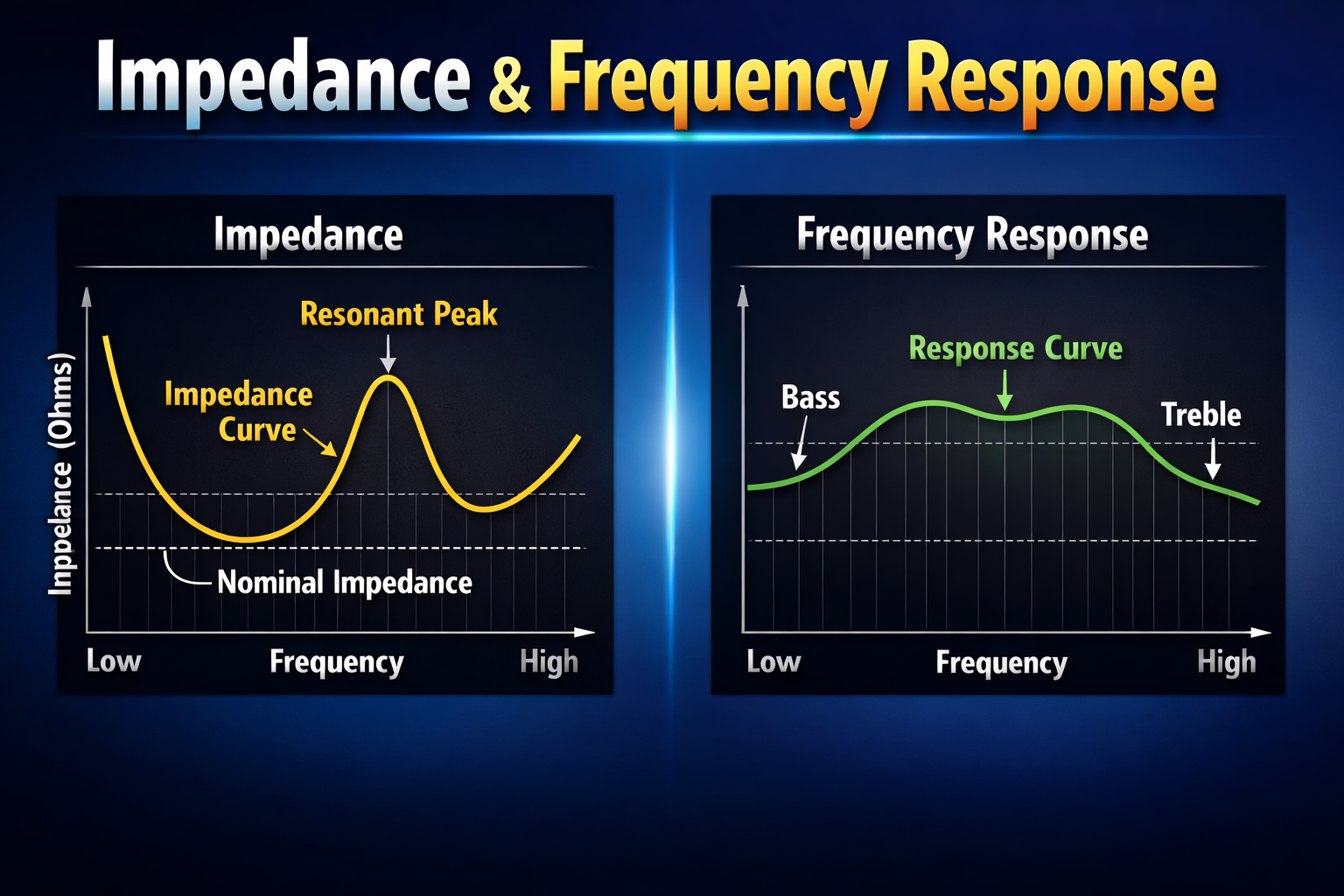
Microphone impedance influences more than signal level; it also affects frequency response. When impedance mismatches occur, the interaction between microphone output circuitry and radio input capacitance can alter tonal balance. Consequently, certain frequencies may become emphasized or attenuated.
For example, excessive load on a high-impedance microphone may reduce high-frequency response. Meanwhile, improper transformer matching may introduce phase shifts or resonance effects. Therefore, maintaining proper impedance preserves natural voice tone and consistent articulation.
Operators who care about audio quality often evaluate impedance effects carefully. In addition, they test microphone performance under real operating conditions to confirm tonal accuracy.
Modern Radios and Adjustable Inputs
Many modern ham radios provide flexible microphone input systems designed to accommodate different impedance ranges. Adjustable gain controls, menu-based input settings, and internal processing allow users to fine-tune audio performance. Therefore, matching impedance becomes easier than in earlier equipment.
Some radios also include built-in preamplifiers that stabilize microphone drive regardless of impedance variation. Consequently, operators can use a wider variety of microphones without external matching devices. However, understanding impedance principles still improves setup accuracy and prevents confusion during troubleshooting.
Troubleshooting Impedance Problems
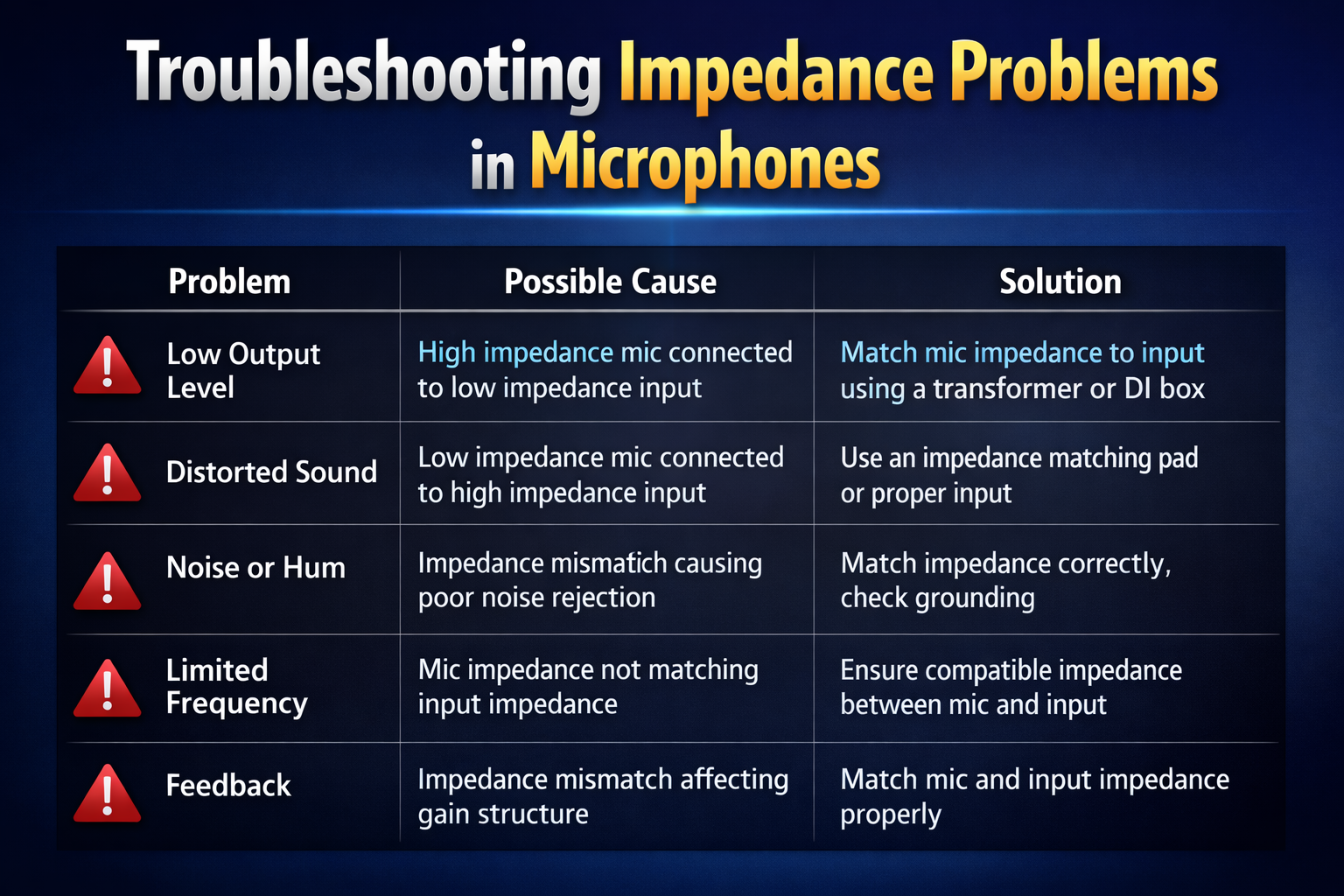
Operators can identify impedance mismatch through several symptoms. Weak audio output often signals insufficient signal transfer. Meanwhile, distorted or harsh audio may indicate overload or improper loading conditions. Additionally, excessive background noise or tonal imbalance may reveal impedance-related issues.
Testing different gain settings helps isolate simple level mismatches. However, persistent problems may require impedance measurement or transformer installation. Therefore, systematic testing and careful equipment review provide the most reliable solution.
Practical Station Setup Considerations
A well-designed station accounts for impedance compatibility from the beginning. First, operators verify radio microphone input specifications before selecting a microphone. Next, they choose appropriate cable types and lengths to maintain signal integrity. Moreover, they consider noise environment, grounding, and RF exposure when routing audio lines.
When upgrading equipment, impedance compatibility should remain a priority. Although adapters can solve many issues, proper matching at the design stage produces the most reliable performance. Consequently, thoughtful planning prevents unnecessary troubleshooting later.
Final Perspective on Microphone Impedance
Ham radio microphone impedance plays a fundamental role in transmitted audio quality, signal strength, and overall station performance. When operators understand how impedance affects signal transfer, they can select compatible equipment and configure it correctly. Therefore, proper impedance management ensures clear, consistent communication under all operating conditions. Moreover, attention to impedance matching supports professional audio quality, reduces noise, and protects signal integrity throughout the entire transmit chain.
Please consider Donating to help support this channel