

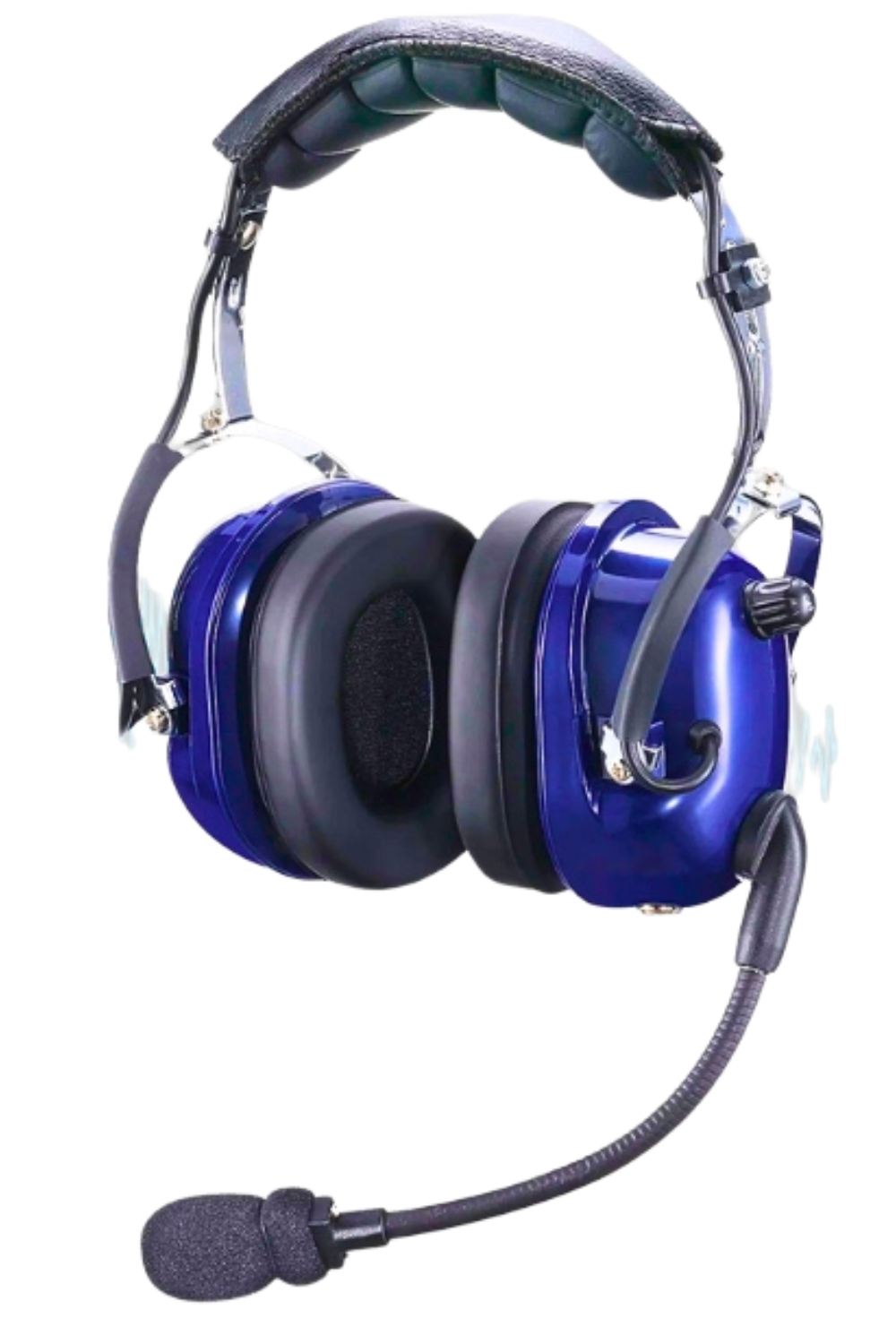
Many hams are moving to Aviation Headsets because of their superior comfort, durability, and exceptional audio performance. Aviation headsets are designed for pilots who operate in extremely noisy environments. This makes them ideal for ham operators who spend long hours on the air.
Because they are built to block out high levels of ambient noise, they provide a quieter operating experience even in crowded contest stations or noisy field setups. As a result, hams can focus on signals and conversations without being distracted by background sounds.
Want to improve your Audio, Check out our Complete Guide to Ham Radio Microphones
Superior Sound Blocking for Clearer Communication
One of the main reasons hams prefer aviation headsets is their impressive noise-blocking capabilities. These headsets feature deep ear cups with high-quality padding that forms a tight seal around the ears. This design dramatically reduces background noise, especially in high-RF environments or during portable operations near generators and other equipment.
Additionally, some aviation headsets offer active noise reduction technology, which electronically cancels unwanted noise. This feature is especially valuable when operating during contests or emergency communication drills, where multiple radios may be running simultaneously. Because of this superior sound isolation, operators experience less fatigue and can copy weak signals more accurately.
Enhanced Microphone Performance
Clear voice transmission is essential for amateur radio, and aviation headsets excel in this area. They use specialized boom microphones designed to capture voice accurately while filtering out background noise. This makes them perfect for noisy ham shacks or mobile operations where environmental sounds can interfere with transmission quality.
Moreover, aviation microphones have excellent frequency response, allowing for natural, crisp audio that other operators will appreciate. Many hams find that these mics outperform typical communications headsets, especially during contesting, DXing, or emergency nets. With precise audio pickup, aviation headsets help reduce misunderstandings and improve operating efficiency.
Changeable and Replaceable Cables
Flexibility is another factor driving the shift toward aviation headsets. Many models feature changeable cables, which allow operators to customize connections for different radios or operating conditions. For instance, a ham can easily swap out a cable with a standard 1/4-inch plug for one designed to connect directly to a transceiver or interface.
This adaptability is especially useful for operators who own multiple radios or participate in portable activities like Field Day or Pards on the Air. The replaceable cables mean the entire headset does not need to be discarded if a cord fails. This saves money and extends the headset’s lifespan.
Locking Adjustments for Perfect Fit
Comfort is critical during long operating sessions, and aviation headsets are engineered for extended wear. Many models feature locking headband adjustments, which ensure a stable, consistent fit. Unlike standard ham headsets that may slip or loosen over time, aviation designs stay securely in place even during active operation.
This feature prevents distractions caused by constant readjustment and helps maintain proper ear cup positioning for maximum sound isolation. Because the fit remains consistent, operators can enjoy hours of comfortable listening and transmitting without strain or discomfort.
Durability for Long-Term Use
Their sturdy frames, reinforced cables, and high-quality materials ensure they can handle daily use, whether in a home station or a portable field setup. Consequently, they last far longer than many consumer-grade alternatives.
Operators who invest in aviation headsets often find they require fewer replacements over time, making them a cost-effective choice despite the higher initial price. Additionally, the availability of replaceable parts such as ear pads, microphones, and cables further extends their service life.
Advantages in Contesting and DXing
In competitive contesting and DX hunting, every second counts. Aviation headsets provide a distinct advantage because their noise-blocking design and superior audio clarity allow operators to copy weak callsigns and exchange information quickly.
During pileups, this level of clarity can make the difference between logging a new multiplier and missing an opportunity. Furthermore, the comfort of aviation headsets enables operators to stay focused and alert during long contest shifts. Over time, this improved performance translates into higher scores and greater operating satisfaction.
Compatibility with Amateur Radio Equipment
Although aviation headsets are designed for aircraft radios, they are easy to adapt to ham gear. Many hams use simple adapter cables to connect aviation headsets to standard transceiver jacks. Some manufacturers even produce specialized adapters with built-in impedance matching and PTT integration, simplifying the process further.
As a result, operators can enjoy the benefits of aviation headsets without major modifications to their station. Because of this flexibility, many hams find the transition to aviation headsets straightforward and rewarding.
Practical Considerations for Field Operations
Portable and field operations present unique challenges, such as wind, generator noise, and multiple operators working side by side. Aviation headsets excel in these scenarios because they block out environmental noise and deliver clear communication even under adverse conditions.
During emergency communications events, this clarity becomes vital for passing accurate messages quickly. Additionally, their rugged construction withstands travel and outdoor use, making them a reliable choice for operators who frequently set up stations away from home.
Hams Are Moving to Aviation Headsets
Hams are moving to aviation headsets because they offer unmatched performance, comfort, and durability. Their superior noise-blocking capabilities reduce fatigue and improve signal clarity, while advanced microphones deliver professional-grade audio.
Features like replaceable cables, locking adjustments, and rugged construction make them practical for both home and field use. A good example would be the Radioddity AH200, as more operators experience the benefits firsthand, aviation headsets are becoming the preferred choice for serious contesters, DXers, and emergency communicators.
By upgrading to aviation headsets, hams gain a reliable tool that enhances their operating experience and provides lasting value.
Please consider Donating to help support this channel