
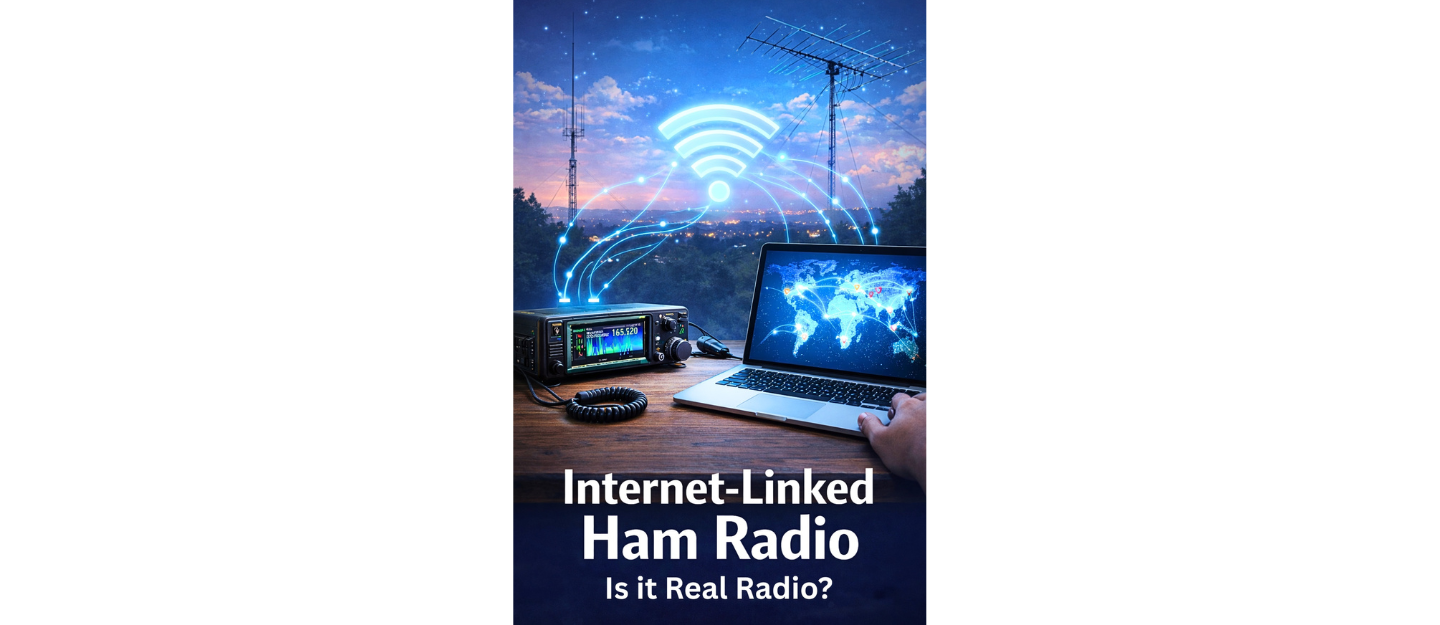
How Internet Linking Is Reshaping Amateur Radio Culture
Internet linked amateur radio has fundamentally changed how operators communicate, collaborate, and define the hobby itself. Today, many radio systems connect through network infrastructure that allows signals to move far beyond the limits of traditional radio propagation. As a result, operators can communicate globally using modest local transmitters connected to distributed digital networks. This development expands capability dramatically, but it also reshapes long-standing cultural expectations within the amateur community.
Traditionally, amateur radio revolved around mastering radio frequency behavior. Operators learned how signals travel through the ionosphere, how antennas shape radiation patterns, and how atmospheric conditions affect communication. Because distance required technical skill to overcome, long-range contacts carried significant meaning. Success depended on understanding physics, building effective stations, and adapting to constantly changing propagation.
However, internet linking introduces a different operating model. Instead of relying exclusively on natural signal paths, operators can route communication through network-connected repeaters and nodes. Consequently, distance becomes less of a technical barrier. Communication that once required careful planning and specialized equipment can now occur reliably through digital infrastructure. This shift changes not only how communication happens, but also how operators think about the purpose and experience of amateur radio.
(adsbygoogle = window.adsbygoogle || []).push({});Expanding Accessibility Across the Hobby
Internet linked amateur radio lowers barriers that once limited participation. Many operators cannot install large antennas or run high-power transmitters due to physical space, regulations, or environmental constraints. Network-linked systems allow these operators to participate in worldwide communication using relatively simple local equipment. Therefore, participation expands to include more urban operators, portable operators, and those with restricted station capabilities.
As accessibility increases, expectations also change. New operators often experience reliable global communication early in their learning process. Instead of waiting for propagation openings or adjusting station parameters, they may begin with consistent connectivity. Because early experiences shape long-term habits, this reliability influences how newcomers understand the role of technical challenge within the hobby.
Shifting Expectations of Communication Reliability
Propagation-based communication is inherently unpredictable. Solar cycles, atmospheric layers, and geographic conditions constantly influence signal paths. Operators traditionally learn to interpret these variables and adapt accordingly. Internet linking introduces stability into this environment. Digital infrastructure provides predictable connectivity independent of ionospheric conditions.
Consequently, many operators now expect communication systems to function consistently. Rather than adapting to environmental variation, they rely on structured network availability. This expectation gradually changes operating behavior. Technical challenge shifts away from overcoming natural limitations and toward maintaining system connectivity and network performance.
Changing Technical Skill Emphasis
Amateur radio has always been a technical hobby, but the technical focus is expanding. Traditional skills include antenna design, RF measurement, impedance matching, and propagation analysis. Internet-linked operation introduces additional technical domains such as network configuration, digital audio processing, server management, and distributed system integration.
Therefore, the skill set associated with amateur radio is broadening. Operators increasingly learn how to configure nodes, manage digital routing, and integrate hardware with software systems. This shift does not eliminate traditional RF expertise, but it redistributes attention across a wider technical landscape. Amateur radio now combines elements of radio engineering and network engineering within a single operating environment.
Transforming the Role of Local Repeaters
Local repeaters historically supported regional communication. They extended range within geographic communities and helped operators maintain local contact networks. Internet linking changes that function dramatically. A repeater connected to a network can serve as an entry point into worldwide communication systems.
As a result, local infrastructure becomes globally connected infrastructure. Conversations once limited to nearby operators may now involve participants across multiple countries. This transformation expands social reach but alters local identity. Regional communication systems increasingly operate as components of distributed global networks.
Redefining Long-Distance Achievement
In traditional amateur radio culture, long-distance contact required favorable propagation and effective station design. Achieving global communication demonstrated technical preparation and operating skill. Internet linking makes long-distance communication routine rather than exceptional.
Because global contact becomes easily accessible, its cultural meaning evolves. Operators may place less emphasis on overcoming distance and more emphasis on maintaining connection, exchanging information, or participating in distributed communities. Achievement shifts from reaching distant locations to engaging with global networks.
Ongoing Debate About Authentic Operation
Technological change often generates philosophical discussion, and internet linking is no exception. Some operators view network integration as a natural continuation of innovation within amateur radio. From this perspective, every major advancement, including repeaters and digital modes, expanded communication possibilities.
Other operators emphasize direct RF communication as the defining feature of the hobby. They value the unpredictability of propagation and the technical challenge of overcoming distance without external infrastructure. For them, network-assisted communication represents a different operating experience that they almost despise.
This discussion reflects a deeper cultural question about identity. Amateur radio has always balanced experimentation with tradition. Internet linking intensifies that balance by redefining how technology supports communication.
Growth of Distributed Community Structure
Internet linking enables geographically distributed participation. Clubs, nets, and operating groups no longer depend entirely on physical location. Operators can join discussions, training sessions, and social activities regardless of geographic distance. Consequently, amateur radio communities become less location-dependent and more network-based.
This structural change expands opportunities for collaboration and knowledge sharing. However, it also alters how local communities form and maintain identity. Participation increasingly reflects shared interests rather than shared geography.
Emergence of Hybrid Operating Culture
Most operators do not choose exclusively between traditional RF operation and network-linked communication. Instead, they combine both approaches depending on goals and circumstances. They may pursue propagation-based contacts for technical challenge while using linked systems for reliability and community engagement.
This hybrid model reflects the broader pattern of technological evolution within amateur radio. New tools expand possibilities without completely replacing earlier practices. Therefore, modern amateur radio culture includes multiple operating philosophies coexisting within a shared framework.
Long-Term Cultural Direction
Internet linking will continue influencing amateur radio culture by expanding accessibility, reshaping technical skill development, and redefining communication expectations. The hobby will remain rooted in radio transmission, but it will increasingly incorporate digital infrastructure as an integral component.
Cultural identity will likely continue evolving toward a blended model that values both traditional propagation expertise and modern network integration. As technology advances, amateur radio will adapt while preserving its core emphasis on experimentation, learning, and communication.
Cultural Effects Within the Amateur Community — Internet Linking
| Cultural Area | Community Change | Overall Effect |
|---|---|---|
| Radio Identity | Combines RF transmission with digital networking | Ongoing discussion about the meaning of radio operation |
| Accessibility | Enables global communication with limited station resources | Broader participation and lower entry barriers |
| Technical Skills | Expands focus to include networking and digital infrastructure | Wider technical knowledge base |
| Repeater Function | Connects local systems into global communication networks | Reduced geographic limitation |
| Achievement Meaning | Makes long-distance communication routine | Shift in how difficulty and success are perceived |
| Community Structure | Supports distributed participation independent of location | Growth of global interaction |
| Tradition and Innovation | Encourages coexistence of multiple operating philosophies | Development of hybrid radio culture |
The Continuing Cultural Evolution of Internet-Linked Amateur Radio
Amateur radio has always evolved alongside technology. Each innovation changes how operators communicate and how they understand the hobby itself. Internet linked represents one of the most significant cultural transitions in modern amateur radio because it alters not only communication methods but also expectations, skills, and identity.
As operators continue to integrate network-based systems with traditional radio techniques, the culture of amateur radio will keep adapting. The defining characteristic of the hobby has always been experimentation, and that tradition continues as new technologies reshape what radio communication can become.
Please consider Donating to help support this channel