
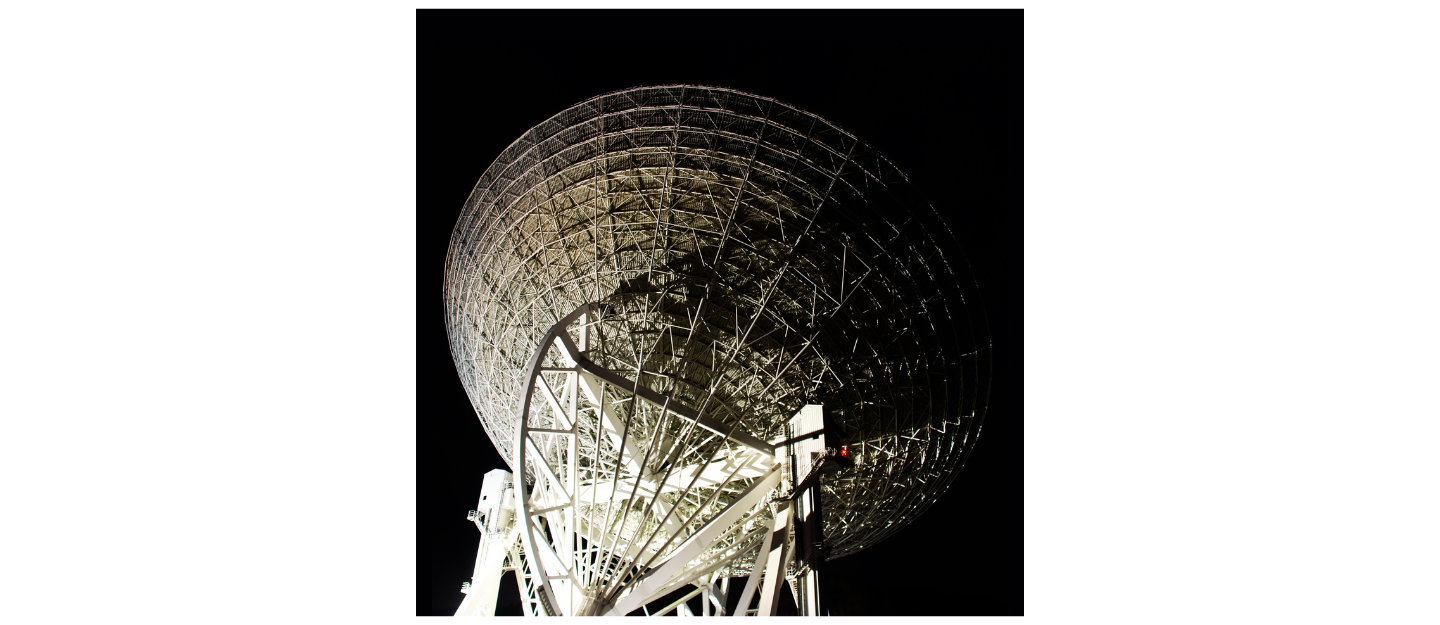
What Is Radio Propagation?
Understanding propagation describes how radio waves travel through the atmosphere from a transmitting antenna to a receiving antenna. As signals move through the air, they bend, reflect, scatter, and sometimes become trapped by atmospheric layers. These interactions determine how far signals travel, how strong they remain, and which frequencies work best at different times.
Mastery of propagation principles enables operators to optimize their signal strength, range, and reliability. This facilitates clear and reliable communication over short and long distances. This article will cover the fundamentals of ham radio propagation.
Let’s explore the factors that influence signal propagation that operators can employ to navigate the invisible pathways of the airwaves.
What You Will Learn in This Guide
This guide explains how radio waves travel through the atmosphere and how weather, solar activity, and atmospheric structure affect communication range and reliability.
Topics covered include:
- Atmospheric refraction and signal bending
- Ionospheric propagation and skywave communication
- Tropospheric ducting and extended VHF range
- Meteor scatter communication
- Weather effects on different frequencies
- How operators predict propagation conditions
- Practical strategies to improve communication
Major Types of Radio Propagation
Radio signals travel through the atmosphere in several different ways depending on frequency and atmospheric conditions.
Ground wave propagation follows the Earth’s surface and is common at lower frequencies.
Skywave propagation reflects from the ionosphere and enables long-distance HF communication.
Tropospheric propagation occurs in the lower atmosphere and affects VHF and UHF signals.
Meteor scatter reflects signals from ionized meteor trails.
Understanding these propagation types helps operators choose the right band and operating strategy.
Why Weather Changes Radio Propagation
Weather affects radio waves because the atmosphere is not electrically uniform. Temperature, pressure, and moisture all influence the refractive index of air, which determines how electromagnetic energy bends, reflects, scatters, or is absorbed as it travels.
Under stable atmospheric conditions, radio waves follow predictable paths. When weather systems change the structure of the atmosphere, those paths change as well. Signals may travel farther than expected, weaken suddenly, or shift direction entirely.
These effects are most noticeable at VHF and UHF frequencies, where signals interact strongly with the lower atmosphere. Variations in air density can bend signals beyond the radio horizon or trap them between atmospheric layers. What operators hear on the air is often a direct result of changing atmospheric structure rather than transmitter power or antenna performance.
How Weather Physically Changes Radio Wave Paths
Weather influences radio propagation because the atmosphere is not uniform. Temperature, pressure, and moisture change air density, which changes how fast electromagnetic waves travel.
When a radio wave enters a layer of air with a different density, its speed changes slightly. That change in velocity causes the signal to bend. This process is called atmospheric refraction.
Under normal conditions, refraction slightly extends the radio horizon. When strong temperature or humidity gradients develop, bending becomes much stronger. Signals can travel far beyond their expected range or follow curved paths through the atmosphere.
Many weather-related propagation effects — including ducting, extended VHF range, and signal fading — are caused by atmospheric refraction. Weather does not simply affect signals at the receiver. It physically changes their path through the atmosphere.
Ionospheric Bounce
Ionospheric bounce, also known as sky wave propagation, stands as a fascinating propagation that enables long-distance communication beyond the horizon.
Understanding this process is crucial for amateur radio operators seeking to make contacts over vast distances.
The intricacies of ionospheric bounce are intriguing, let’s explore how it works and its significance in amateur radio.

Ionospheric bounce, also known as sky wave propagation, stands as a fascinating propagation pattern that enables long-distance communication beyond the horizon. Understanding this process is crucial for amateur radio operators seeking to make contacts over vast distances. The intricacies of ionospheric bounce are intriguing, let’s explore how it works and its significance in amateur radio.
Ionospheric bounce works when radio waves encounter the ionosphere. They are refracted or bent back towards the Earth’s surface, allowing them to travel beyond the horizon. This propagation pattern, also known as sky wave propagation, enables long-distance communication over thousands of kilometers.
How Weather Physically Changes Radio Wave Paths
Radio waves rarely travel in perfectly straight lines through the atmosphere. Instead, they bend as they pass through layers of air with different densities. This bending happens because temperature, pressure, and moisture all influence how fast electromagnetic energy travels through the air.
When a radio wave moves from one air layer to another with a different density, its speed changes slightly. This change in velocity causes the wave to curve. The process is called atmospheric refraction.
Under normal conditions, this bending is gentle and slightly extends the radio horizon. When strong temperature or humidity gradients form, the bending becomes much stronger. Signals can be redirected over long distances or trapped between atmospheric layers.
Nearly all weather-related propagation effects, including ducting, enhanced range, and signal fading, begin with atmospheric refraction.
Why Electromagnetic Waves Bend in the Atmosphere
Radio waves slow slightly when entering denser air and speed up in less dense air. This change in velocity causes waves to bend toward regions of higher density. The process follows the same physical principles as light refraction in lenses.
Because the atmosphere constantly changes density with altitude, radio signals rarely travel in perfectly straight lines.
Factors Affecting Ionospheric Bounce
Several factors influence the effectiveness of ionospheric bounce in amateur radio communication:
- Frequency: Different frequencies interact with the ionosphere in different ways. Lower frequencies tend to propagate better over long distances via ionospheric bounce. While higher frequencies (VHF and UHF) typically propagate via line-of-sight.
- Solar Activity: Solar radiation and sunspot activity influence the ionization levels of the ionosphere. It affects the propagation characteristics of radio waves. Increased solar activity can enhance ionospheric bounce on HF bands. While periods of low solar activity may result in poor propagation conditions.
- Time of Day: Ionospheric conditions vary throughout the day due to changes in solar radiation. The ionosphere is typically more ionized during daylight hours, resulting in better propagation conditions for long-distance communication. At dusk and dawn, you have the greyline propagation that uniquely affects the ionosphere’s D-layer.
- Ionospheric Layers: The ionosphere is composed of several distinct layers, each with its own characteristics and propagation properties. Radio waves can bounce off these layers at different angles, influencing their propagation path and distance traveled.
Ionospheric Absorption and Signal Loss
The ionosphere does more than reflect radio waves. It also absorbs part of the signal energy. Free electrons in ionized atmospheric layers interact with electromagnetic waves and convert some of that energy into heat.
This absorption reduces signal strength before reflection occurs. The amount of absorption depends on solar radiation, electron density, and time of day. Strong ionization can weaken signals significantly or prevent them from returning to Earth at all.
This balance between reflection and absorption is one of the main reasons HF propagation changes dramatically between day and night and during solar activity cycles.
Ionospheric Absorption and Signal Loss
The ionosphere does more than reflect radio waves, it also absorbs part of the signal energy. Free electrons in ionized atmospheric layers interact with electromagnetic waves and convert some of their energy into heat.
This absorption reduces signal strength before reflection occurs. The amount of absorption depends on solar radiation, electron density, and time of day. During strong ionization, signals may weaken significantly or fail to return to Earth entirely.
This balance between reflection and absorption is one reason HF propagation changes so dramatically between day and night and during solar activity cycles.
Significance in Amateur Radio
Ionospheric bounce plays a vital role in amateur radio communication, particularly on HF bands. It enables operators to make contacts over vast distances, connecting with fellow enthusiasts around the world.
This also creates the opportunity to participate in events such as DX contests and DXpeditions. Additionally, ionospheric bounce facilitates emergency communication during disasters when traditional communication infrastructure is compromised.
Anomalous Propagation and Unexpected Interference
When atmospheric conditions strongly bend radio waves, signals may travel far outside their intended coverage area. This is known as anomalous propagation.
Operators may suddenly hear distant repeaters, broadcast stations, or weak-signal transmissions that are normally impossible to receive. While this can create exciting long-distance contacts, it can also cause interference between systems sharing the same frequency.
Anomalous propagation occurs when unusual temperature and humidity distributions bend signals beyond the normal radio horizon.
Tropospheric Ducting
Tropospheric ducting stands as a fascinating phenomenon that allows for unexpectedly long-distance communication, often referred to as “ducting openings.” Understanding this process is essential for operators seeking to make contacts over extended distances, offering an alternative to ionospheric propagation. Especially on higher frequency bands like VHF and UHF.
The Troposphere
The troposphere is the lowest layer of the Earth’s atmosphere. It extends from the surface up to approximately 10-15 kilometers (6-9 miles) above sea level. The temperature and humidity gradients create pockets of varying refractive indices, or “ducts.” These ducts are capable of guiding radio waves over long distances.
How Tropospheric Ducting Works
Tropospheric ducting occurs when a stable atmospheric layer, or duct, forms between two regions of significantly different temperature or humidity. This duct acts as a waveguide, trapping and guiding radio waves along its path. This allows them to propagate much farther than usual. These ducts can extend horizontally for hundreds of miles, enabling communication between stations that would otherwise be out of range.
Why Temperature Inversions Create Ducting
Tropospheric ducts form when temperature and humidity change rapidly with altitude. The most common cause is a temperature inversion, where warm air sits above cooler air near the surface.
This layering creates a sharp change in atmospheric density. Radio waves entering this boundary bend downward instead of continuing upward. When the bending matches Earth’s curvature, signals become trapped between layers and guided long distances.
Stable high-pressure systems, calm winds, and coastal environments frequently produce these inversion layers. Because the atmosphere becomes highly stratified, signals can travel far beyond normal line-of-sight limits.
Why Temperature Inversions Create Ducting
Tropospheric ducts form when temperature and humidity change rapidly with altitude. The most common cause is a temperature inversion, where warm air sits above cooler air near the surface.
This layering creates a sharp change in atmospheric density. Radio waves entering this boundary bend downward instead of continuing upward. When the bending matches Earth’s curvature, signals become trapped between layers and guided long distances.
Stable high-pressure systems, calm winds, and coastal environments frequently produce these inversion layers. Because the atmosphere becomes highly stratified, signals can travel far beyond normal line-of-sight limits.
Factors Affecting Tropospheric Ducting
Several atmospheric conditions can influence the formation and stability of tropospheric ducts:
- Temperature Inversions: Temperature inversions, where warm air overlies cooler air near the surface, are a common trigger for ducting events. These inversions create a sharp boundary between air masses with different refractive indices, facilitating the formation of ducts.
- Atmospheric Stability: Atmospheric stability, influenced by factors such as wind shear and atmospheric pressure, determines duration intensity of ducting events. Stable atmospheric conditions tend to prolong ducting events, allowing for extended periods of long-distance communication.
- Geographic Features: Geographic features like coastlines, mountains, and bodies of water can influence the formation and propagation of tropospheric ducts. Coastal areas and bodies of water are particularly conducive to ducting events. However, they provide stable temperature and humidity gradients for duct formation.
Significance in Amateur Radio
Tropospheric ducting offers amateur radio operators a unique opportunity to make long-distance contacts on the VHF and UHF bands. These bands are typically limited to line-of-sight communication.
In addition, ducting events can dramatically extend the range of these bands. Ducting allows operators to communicate over hundreds or even thousands of kilometers, often with surprisingly clear signals.
Anomalous Propagation and Unexpected Interference
When atmospheric conditions strongly bend radio waves, signals may travel far outside their intended coverage area. This is known as anomalous propagation.
Operators may suddenly hear distant repeaters, broadcast stations, or weak-signal transmissions that are normally impossible to receive. While this can create exciting long-distance contacts, it can also cause interference between systems sharing the same frequency.
Anomalous propagation is most common during strong temperature inversions and stable high-pressure systems that create persistent refractive layers.
Meteor Scatter
Meteor scatter stands as a captivating phenomenon that enables long-distance communication through the reflection of radio waves off the ionized trails left behind by meteors as they streak through the Earth’s atmosphere.
Understanding meteor scatter is essential for operators seeking to make contacts over vast distances. This offers a unique and thrilling avenue for expanding communication horizons.
By understanding the principles of meteor scatter and its influencing factors, operators can harness this fleeting, yet powerful propagation mode.

Why Weather Affects Frequencies Differently
Weather does not influence all radio frequencies equally. Higher frequencies such as VHF, UHF, and microwave signals interact strongly with the lower atmosphere. These frequencies are highly sensitive to temperature gradients, humidity changes, and precipitation.
Lower frequencies, especially HF, depend more heavily on ionospheric conditions than local weather. Solar radiation and ionization levels play a larger role in long-distance HF communication.
Understanding which frequencies are most sensitive to atmospheric conditions helps operators predict when weather will enhance or degrade propagation.
How Propagation Differs by Frequency Band
| Frequency Range | Main Propagation Method | Strongly Affected By | Typical Use |
|---|---|---|---|
| HF (3–30 MHz) | Ionospheric reflection | Solar activity, ionization | Long-distance communication |
| VHF (30–300 MHz) | Line of sight, tropospheric bending | Temperature, pressure, humidity | Regional communication |
| UHF (300 MHz+) | Line of sight, ducting | Weather and terrain | Local communication |
Why Weather Affects Frequencies Differently
Weather does not influence all radio frequencies in the same way. Higher frequencies such as VHF, UHF, and microwave signals interact strongly with the lower atmosphere. These frequencies are highly sensitive to temperature gradients, humidity changes, and precipitation.
Lower frequencies, especially HF, depend primarily on ionospheric conditions rather than local weather. Solar radiation and ionization levels play a much larger role in long-distance HF propagation.
Understanding which frequencies are most affected by atmospheric conditions helps operators predict when weather will enhance or degrade communication.
The Meteor Trail:
A brief moment of opportunity when a meteor enters the Earth’s atmosphere ionizes the surrounding air molecules. This leaves a brief but highly ionized trail in its wake. The radio waves transmitted by amateur radio operators can interact with these ionized trails.
The result is scatter and reflection of the signals back to Earth. This phenomenon known as meteor scatter, allows for brief but intense bursts of communication. This happens over distances of hundreds, or even thousands of miles.
How Meteor Scatter Works
Meteor scatter communication relies on the rapid movement of ionized meteor trails through the Earth’s atmosphere. When a meteor passes through the path of a radio wave, it causes scattering and reflection of the signal. This redirects the signal back towards the Earth’s surface.
This process can occur at frequencies ranging from HF to VHF. The higher frequencies generally experiencing more pronounced effects due to shorter wavelengths.
Factors Affecting Meteor Scatter
Several factors influence the effectiveness of meteor scatter communication:
- Meteor Activity: The intensity and frequency of meteor showers can significantly impact the availability of meteor scatter propagation. Peak meteor activity during meteor showers can result in enhanced scatter conditions, allowing for more reliable communication.
- Frequency and Antenna Directionality: Higher frequency bands and directional antennas tend to produce stronger and more reliable scatter signals. Operators often use frequencies above 50 MHz (VHF/UHF) for meteor scatter communication, in addition to antennas optimized for directional gain.
- Timing and Duration: Meteor scatter contacts are typically brief, lasting only a few seconds to a minute, however, this depends on the speed and size of the meteor. Operators must time their transmissions carefully to coincide with peak meteor activity and maximize the chances of successful communication.
Significance in Amateur Radio
Meteor scatter offers amateur radio operators a unique and exhilarating opportunity to make long-distance contacts using relatively low power and simple equipment. It provides a novel alternative to traditional propagation modes like ionospheric bounce and tropospheric ducting, while allowing operators to expand their communication horizons and connect with fellow enthusiasts across vast distances.
Strategies for Navigating Propagation
Once ham radio operators get to the point of understanding propagation, then there are action they can take. To optimize communication in the various propagation conditions, ham radio operators employ several strategies, including:
- Antenna Selection: Choose antennas that are optimized for the frequency bands and propagation modes you plan to use. Experiment with different antenna types, orientations, and heights to maximize signal strength and reliability.
- Timing: Monitor propagation conditions and adjust your operating schedule to take advantage of favorable conditions, such as peak ionospheric activity or band openings.
- Band Selection: Select frequency bands that are suitable for prevailing propagation conditions and target operating distances. Use HF bands for long-distance communication via sky wave propagation and VHF/UHF bands for shorter-range line-of-sight communication.
- Operating Modes: Experiment with different operating modes, such as SSB, CW, FM, and digital modes. In addition, learn to adapt to changing propagation conditions and maximize your chances of making successful contacts.
- Continual Monitoring: Stay informed about current propagation conditions by monitoring propagation prediction tools, ionospheric forecasts, and real-time propagation beacons. Adjust your operating parameters based on observed conditions to optimize your signal propagation and reception. Learn what time of day each band opens and closes. Also, what time of day that certain countries have band openings to your country.
Practical Examples of Propagation in Action
Operators often use HF skywave propagation to contact stations on other continents.
VHF operators watch for temperature inversions to take advantage of extended range openings.
Weak-signal enthusiasts schedule contacts during meteor showers to use meteor scatter.
Understanding propagation transforms unpredictable conditions into usable operating opportunities.
How Operators Predict Weather-Driven Propagation
Experienced operators monitor atmospheric conditions to anticipate propagation changes. High-pressure systems, temperature inversions, and humidity gradients often indicate enhanced signal bending or extended range.
Weather forecasts, propagation maps, and real-time signal reports help identify favorable operating periods. By combining meteorological awareness with propagation knowledge, operators can predict band openings and unusual reception events.
Understanding atmospheric structure allows weather to become a practical operating tool rather than an unpredictable obstacle.
Common Propagation Prediction Tools
Operators use several tools to monitor and predict propagation conditions:
- Solar flux and sunspot reports
- Ionospheric prediction maps
- Tropospheric ducting forecast maps
- Real-time propagation beacons
- DX cluster signal reports
Understanding Propagation
Understanding Propagation is essential for navigating the invisible pathways of the airwaves and optimizing communication in the ever-changing radio environment. By mastering the fundamentals of propagation and employing strategic techniques.
Amateur radio operators can enhance their ability to make clear and reliable contacts over short and long distances, fostering connectivity and camaraderie within the global ham radio community.
For a deeper dive into Ham radio propagation, here is a book I found extremely helpful. It was written by an amateur operator and greatly increased my knowledge of propagation.
Propagation Terminology
Refraction: bending of radio waves due to air density changes
Ionosphere: ionized upper atmospheric region that reflects HF signals
Ducting: trapping of radio waves between atmospheric layers
Greyline: enhanced propagation along the day/night boundary
Solar flux: measurement of solar radiation affecting ionization
Frequently Asked Questions About Weather and Radio Propagation
Does weather really affect radio wave propagation?
Yes. Weather changes temperature, air pressure, and humidity, which alter air density. These changes bend radio waves through atmospheric refraction, affecting range, signal strength, and coverage patterns.
What weather condition increases radio range the most?
Temperature inversions and stable high-pressure systems can greatly increase radio range. These conditions bend signals toward Earth and can allow VHF and UHF transmissions to travel hundreds of miles beyond normal line-of-sight limits.
Why do radio signals travel farther at night?
After sunset, the ground cools faster than the air above it. This often creates temperature inversions that improve signal bending and reduce atmospheric turbulence. At HF, nighttime also reduces ionospheric absorption, improving long-distance communication.
Does rain weaken radio signals?
Rain can weaken higher-frequency signals, especially UHF, microwave, and satellite communications. Water droplets absorb and scatter radio energy, increasing signal loss. HF and lower VHF frequencies are usually less affected.
What is tropospheric ducting and when does it occur?
Tropospheric ducting happens when radio waves become trapped between atmospheric layers with different densities. This usually occurs during strong temperature inversions, coastal weather patterns, or stable high-pressure systems, allowing signals to travel extremely long distances.
How does humidity affect radio propagation?
Humidity changes the refractive index of air and can increase signal bending. High moisture levels can also increase signal absorption at higher frequencies. Rapid humidity changes often cause signal fading and instability.
Why do I sometimes hear distant stations that are normally out of range?
This is usually caused by enhanced atmospheric refraction or anomalous propagation. Temperature inversions or ducting can redirect signals far beyond their normal coverage area, allowing distant transmitters to be received unexpectedly.
Does weather affect HF and VHF the same way?
No. HF propagation depends mostly on ionospheric conditions and solar activity, while VHF and UHF are strongly affected by weather in the lower atmosphere. Local temperature and humidity changes have a much greater impact on VHF and UHF signals.
How can radio operators predict propagation changes from weather?
Operators monitor high-pressure systems, temperature inversions, humidity gradients, and propagation forecasts. Weather maps, tropospheric prediction tools, and solar activity reports help anticipate signal enhancement or degradation.
What is atmospheric refraction in radio communication?
Atmospheric refraction is the bending of radio waves as they pass through air layers of different density. This bending allows signals to extend beyond the visual horizon and is the primary reason weather affects radio communication range.