
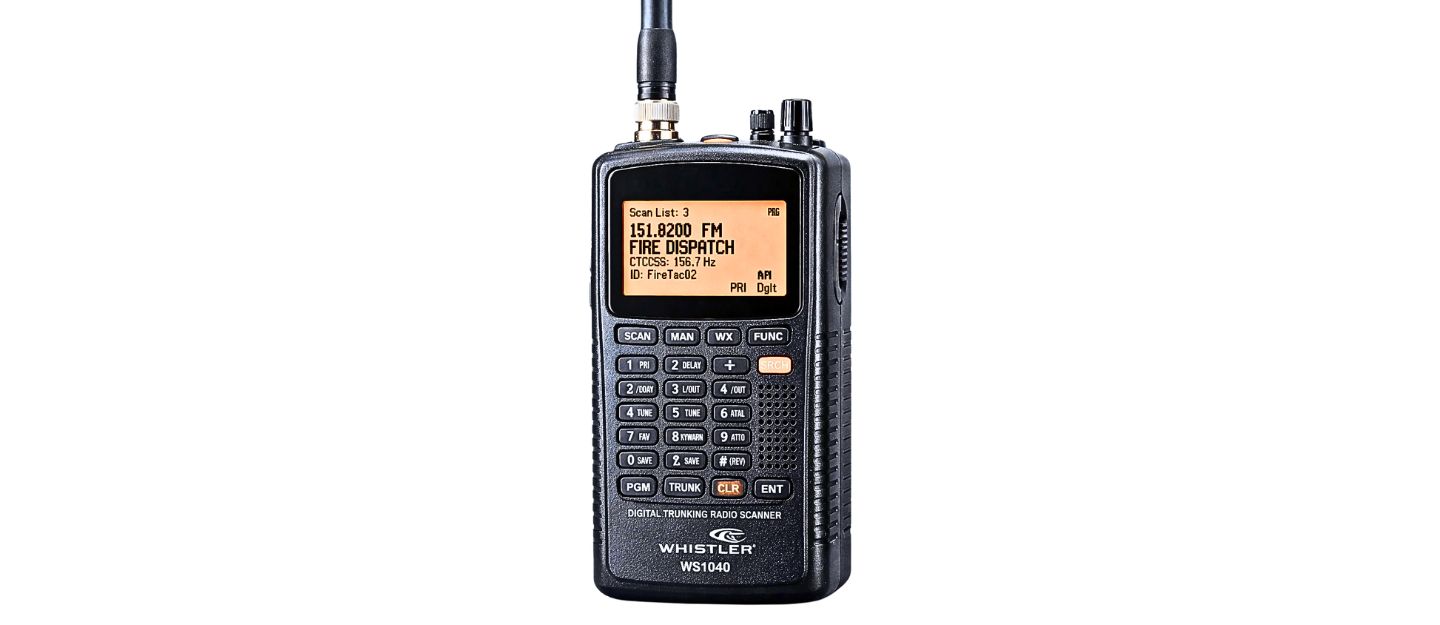
Whistler WS1040 Review: A Reliable Digital Scanner for Modern Monitoring
The Whistler WS1040 review covers the dependable performance for both hobbyists and professionals who need reliable communication monitoring. It supports modern digital modes and trunked systems, allowing users to stay aware of active transmissions across public safety, weather, and local radio networks.
Designed for flexibility and ease of use, the WS1040 combines advanced scanning capability with straightforward programming. Whether you monitor daily activity, prepare for emergencies, or explore radio communications as a hobby, this scanner provides the tools needed to stay informed without unnecessary complexity.
The Whistler WS1040 review, this handheld digital scanner delivers powerful scanning capabilities in a compact package, and it appeals to both hobbyists and professionals who need reliable monitoring tools. It supports modern digital modes, which lets users stay aware of active communications across many systems.
It blends advanced functionality with user-friendly programming, the WS1040 remains a top choice for users who want performance without unnecessary complexity. Furthermore, its portability and feature set make it valuable for daily use, emergency preparedness, and outdoor activities alike.
Who the WS1040 Is Best For
The WS1040 works well for a wide range of users, from beginners entering the scanning hobby to experienced operators who require consistent performance. It is especially useful for those monitoring public safety systems, weather alerts, and regional communications.
Because it balances advanced features with usability, the scanner appeals to users who want strong digital performance without a steep learning curve. This makes it a practical choice for everyday monitoring as well as emergency preparedness.
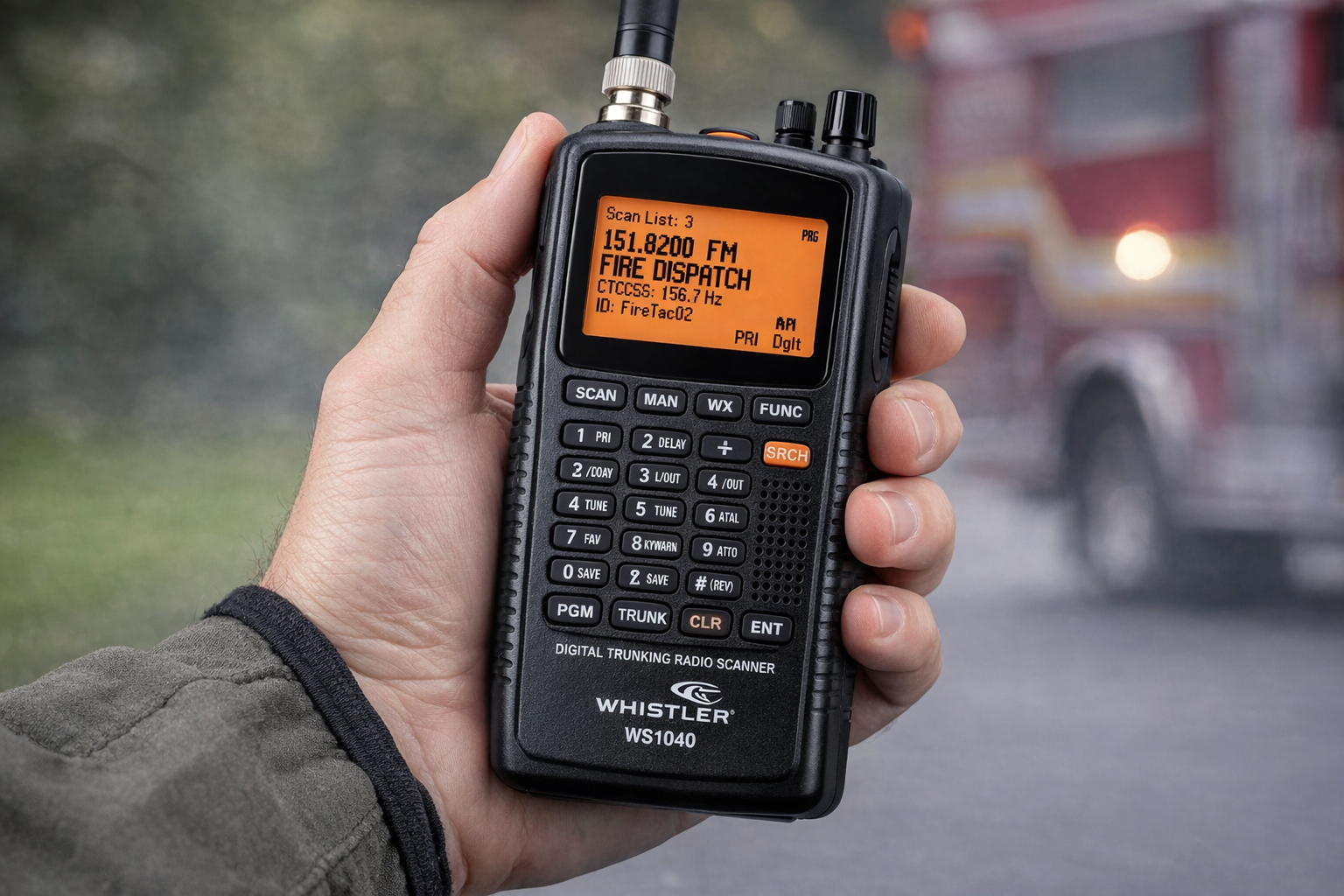
Key Features of the Whistler WS1040
The WS1040 includes a range of features designed to support modern scanning needs while remaining easy to operate.
- P25 Phase I digital decoding
- Digital trunking support
- Weather alert monitoring
- Multi-system compatibility
- PC programming interface
- LED and audio alert system
- Portable handheld design
These features combine to deliver reliable performance across both analog and digital communication systems.
P25 Phase I and Digital Trunking Performance
The WS1040 provides P25 Phase I decoding and digital trunking support, which means it can follow many public safety and agency communications in real time. As a result, users can monitor fire, police, EMS, and other trunked systems with clarity and precision.
The scanner’s fast digital processing ensures that it locks onto active signals quickly, so you don’t miss important transmissions. Because public safety systems continue to shift toward digital trunked architectures, the WS1040 equips users to stay current with modern communication infrastructure.
Weather Alerts and Same Frequency Monitoring
Whistler built the WS1040 with weather alert capabilities that automatically notify users of severe conditions. When the scanner detects alerts from the National Weather Service or equivalent systems, it triggers audio and LED alerts that draw immediate attention.
Additionally, the unit can remain tuned to weather frequencies even while monitoring other channels, which ensures that you stay informed during unexpected changes. Therefore, whether you’re at home, on the road, or outdoors, this feature enhances situational awareness and safety.
Multi-System Support and Programmability
One of the WS1040’s greatest strengths lies in its support for multiple radio systems. It can handle analog and digital channels, conventional and trunked configurations, and a wide range of frequency bands. As a result, users can consolidate their monitoring needs into one device rather than juggling several receivers.
The scanner offers extensive programmability, which lets you tailor channel lists, scan groups, and priority settings to your specific interests. Because programmable flexibility enhances user experience, operators value this feature when customizing the scanner for local and regional systems.
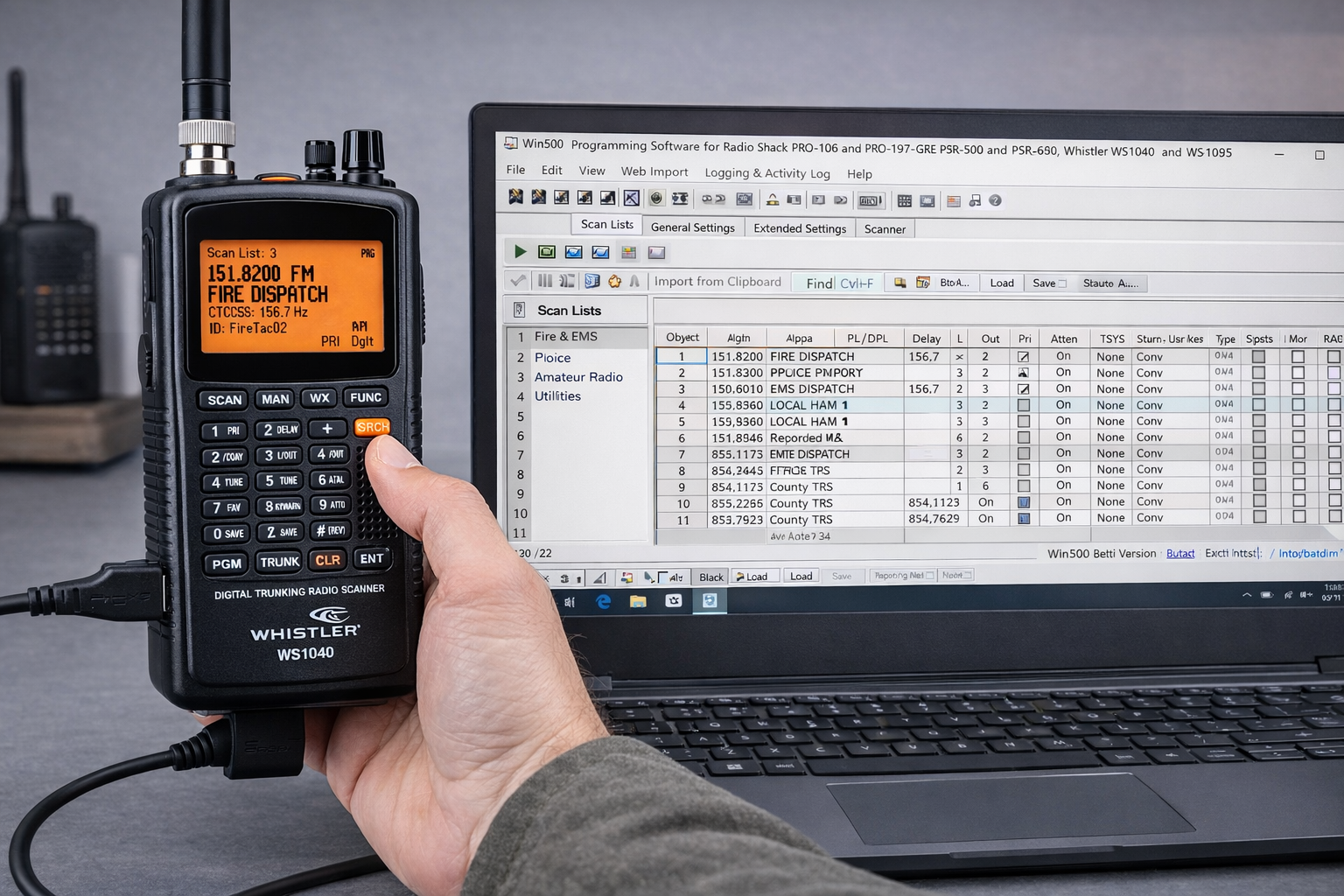
PC Interface and Software Integration
Whistler includes a PC interface that simplifies programming and system updates. Through a USB connection, you can load channel data, system definitions, and preferences without manual entry. Consequently, this capability saves time and reduces the chance of input errors that often accompany handheld configuration.
The software integration allows users to organize large channel lists and frequently adjust scanner behavior to match evolving system changes. Therefore, the WS1040’s PC connectivity makes it more adaptable and easier to maintain.
Related Scanner and Radio Guides
To get the most from your WS1040, it helps to understand how it fits into a complete monitoring setup.
You can improve performance further by learning about antenna selection, signal optimization, and frequency planning. These factors play a major role in how effectively your scanner receives transmissions.
Where to Buy the Whistler WS1040
If you’re ready to start monitoring digital communications, the Whistler WS1040 remains a proven and reliable option. Its balance of performance, flexibility, and ease of use makes it a solid choice for both new and experienced users.
Check current pricing and availability to ensure you get the best deal and a trusted seller.
LED and Audio Alerts for Critical Events
The WS1040 supports both visual LED indicators and audio alert tones, which ensure that users notice important transmissions regardless of their environment. When a priority call or programmed alert occurs, the device signals you through clear sound patterns and visible lights.
Because scanner use often happens in noisy or busy settings, these alerts improve responsiveness and reduce the likelihood of missed communications. Additionally, audio customization options let users tailor alert behavior to personal preferences.
Practical Use Cases for Everyday and Emergency Situations
People use the Whistler WS1040 for many purposes, including community monitoring, hobby listening, event coordination, and emergency readiness. For example, during severe weather or public events, the scanner helps listeners stay aware of official broadcasts and response activity.
Likewise, hobbyists appreciate the ability to explore different systems and enjoy real-time communications from local agencies. Because the scanner balances broad capability with straightforward operation, it serves both casual users and serious listeners effectively.
WS1040 vs Other Digital Scanners
Compared to newer and more expensive models, the WS1040 focuses on core performance rather than advanced extras like Phase II decoding or touchscreen interfaces.
However, many users prefer this approach because it delivers reliable P25 Phase I performance without added complexity or cost. For those who primarily monitor supported systems, the WS1040 provides excellent value and consistency.
Real-World Performance Insight
In real-world use, the WS1040 performs consistently when properly programmed and paired with a good antenna. Users report strong reception on supported systems and dependable alert functionality during weather and emergency monitoring.
Because scanner performance depends heavily on setup and environment, optimizing antenna placement and frequency programming can significantly improve results.
Final Thoughts on the Whistler WS1040 review
The Whistler WS1040 handheld digital scanner brings advanced features to a portable, accessible form factor. Its P25 Phase I with trunking support, weather alerts, multi-system compatibility, programmability, PC interface, and dual alert systems make it a versatile tool for modern scanning needs.
Furthermore, its ease of use and flexible customization help users tailor their monitoring experience without frustration. As a result, the WS1040 remains an excellent choice for anyone who wants to stay informed and connected across a wide range of radio communications.
Whistler WS1040 FAQs
Does the WS1040 support P25 Phase II?
No, the WS1040 supports P25 Phase I only. Users monitoring Phase II systems may need a newer model.
Can the WS1040 monitor police and fire communications?
Yes, it can monitor many public safety systems that use supported digital or analog formats.
Is the WS1040 good for beginners?
Yes, its programming flexibility and available PC software make it easier to learn compared to more complex scanners.
Do you need software to program the WS1040?
No, but using PC software significantly simplifies setup and management.
Is the WS1040 still worth buying?
Yes, especially for users who need reliable Phase I performance without paying for advanced features they may not use.
Please consider Donating to help support this channel