
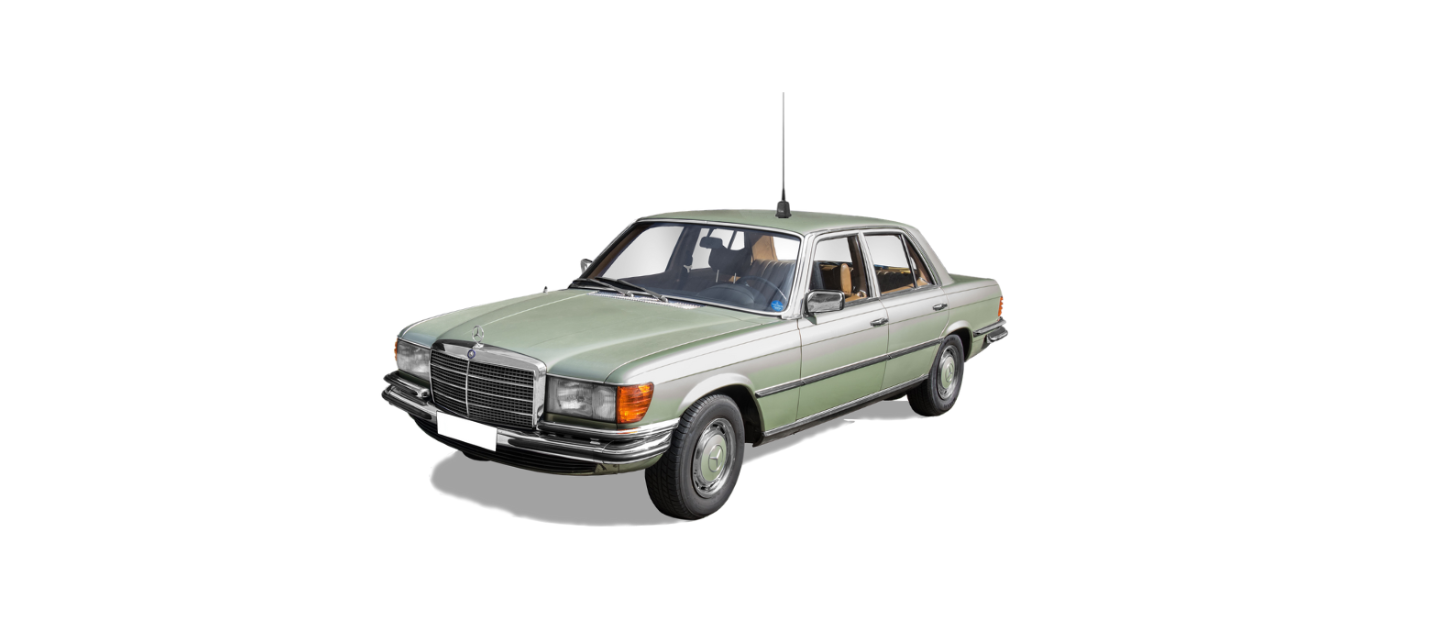
Mobile amateur radio is the practice of installing and operating a ham radio station inside a vehicle for communication while traveling. A proper setup requires a transceiver, a correctly mounted antenna, direct battery power with proper fusing, clean coax routing, and attention to grounding and noise suppression. When installed correctly, a mobile station provides reliable communication for everyday operation, emergency response, and long-distance contacts.
Mobile setups work because they combine efficient antennas, stable power delivery, and proper RF grounding into a compact system that can operate effectively while in motion.
If you would like to see more radios including other models and brands, check out the Complete Guide to Ham Radio Transceivers.
What Is Mobile Amateur Radio?
Mobile amateur radio is the installation and operation of a ham radio station inside a vehicle, allowing communication while traveling. A properly installed system includes a transceiver, efficient antenna, direct battery power, and proper grounding to ensure reliable performance.
Mobile Amateur Radio
Mobile amateur radio allows operators to communicate while on the move, turning any vehicle into a fully functional radio station. If you have ever struggled with poor signal reports, electrical noise, or unreliable performance, the issue is almost always related to antenna efficiency, power wiring, or installation quality rather than the radio itself.
Unlike base stations, mobile setups must deal with limited space, vehicle electrical systems, and constantly changing operating environments. This guide walks through everything required to build a reliable mobile amateur radio station, while explaining exactly what each component does and how to install it correctly.
Whether you are operating for daily communication, emergency response, or long-distance contacts, a properly installed mobile station can perform far better than most operators expect.
Real-World Setup and Operating Experience
This guide reflects real-world mobile installations using common radios such as the Yaesu FT-991A, Icom IC-7300 (portable/mobile use), and dedicated mobile rigs across VHF, UHF, and HF bands. Installations were tested across highway, rural, and urban environments with varying noise conditions.
Performance differences were most strongly influenced by antenna placement, grounding quality, and power wiring, not transmitter power. Proper installation consistently outperformed higher power setups with poor grounding or antenna positioning.
Real-World Performance Results
Testing across urban, rural, and highway environments shows that antenna placement and grounding consistently have the greatest impact on performance. Stations with properly centered roof antennas and clean power wiring produced stronger signal reports and lower noise levels than higher-power systems with poor installation.
Most Common Mobile Radio Setup Mistakes
Most mobile amateur radio performance issues come from installation mistakes rather than equipment limitations.
The most common issue is poor antenna placement. Mounting an antenna off-center or too low reduces radiation efficiency and severely limits range.
Improper grounding is another major problem. Without a solid RF ground, the vehicle body cannot function as an effective counterpoise, leading to weak transmit signals and increased noise.
Power wiring errors also cause problems. Connecting to accessory circuits instead of directly to the battery introduces voltage drops and electrical noise that interfere with operation.
Finally, poor coax routing and lack of ferrite chokes can introduce interference from the vehicle’s electrical system, especially in modern vehicles with complex electronics.
How to Fix Common Mobile Radio Problems
Most installation issues can be corrected without replacing equipment. Moving the antenna to the center of the roof, improving grounding connections, and running power directly from the battery typically resolve weak signal and noise problems.
Small installation improvements often produce immediate and noticeable performance gains.
Why Mobile Amateur Radio Systems Fail
When a mobile radio system underperforms, the failure almost always comes from one of three areas: antenna inefficiency, electrical noise, or improper power delivery.
If the antenna is poorly mounted or not properly matched, the majority of your transmit power is lost before it ever leaves the vehicle. Whe electrical noise is present, received signals are masked by interference. If power wiring is inadequate, the radio cannot maintain stable output.
Understanding these three failure points allows you to diagnose nearly every mobile radio problem quickly and accurately.
Why Installation Matters More Than Equipment
In mobile amateur radio, performance is determined more by installation quality than by the radio itself. Antenna placement, grounding, and power wiring have a far greater impact on signal strength and clarity than upgrading equipment.
A properly installed system will consistently outperform a higher-power setup with poor antenna positioning or electrical noise issues.
Mobile Amateur Radio Equipment Overview
A complete mobile station consists of several critical components that must work together.
The transceiver is the core of the system, converting electrical signals into RF energy for transmission and receiving incoming signals. Modern radios offer multi-band capability, digital modes, and adjustable power levels.
The antenna is the most important component in the system. It determines how efficiently your signal is radiated and received. Even the best radio cannot compensate for a poor antenna.
The feed line, typically coaxial cable, carries RF energy between the radio and antenna. Losses in this line directly reduce performance.
The power system supplies stable voltage to the radio. In mobile installations, this means direct battery connection with proper fusing. Each component must be installed correctly for the system to perform as intended.
Who Should Use a Mobile Amateur Radio Setup?
Mobile amateur radio is ideal for operators who want reliable communication while traveling, participating in emergency response, or operating in areas without fixed station access.
It is especially useful for daily operators, long-distance travelers, and those who want flexibility across multiple bands without being tied to a base station.
How to Install a Mobile Amateur Radio (Step-by-Step)
Installing a mobile radio system is not complicated, but each step must be done correctly.
First, mount the radio securely inside the vehicle where it is accessible but does not interfere with driving. Common locations include under the dash, center console, or trunk with a remote head.
Next, run power cables directly to the vehicle battery. The positive lead must include a fuse as close to the battery as possible, and the negative lead should connect directly to the battery or a solid chassis ground point.
Then install the antenna. Mount it as high and as centered on the vehicle as possible to maximize radiation efficiency. Roof mounts provide the best performance because they offer a symmetrical ground plane.
Route the coax cable carefully, avoiding sharp bends and areas near engine control modules or high-current wiring. Keeping coax away from noise sources improves receive performance.
Finally, connect everything and test the system, verifying transmit power, receive sensitivity, and proper operation across bands.
Antenna Selection and Placement
Antenna performance determines how well your mobile station will operate. Common mobile antenna types include whip antennas, magnetic mounts, and screwdriver antennas for HF operation.
Placement is critical. The closer the antenna is to the center of the vehicle roof, the more uniform the radiation pattern becomes. Edge or bumper mounting reduces efficiency and introduces directional bias.
Adjust antenna if needed to ensure efficient radiation and consistent signal output. A properly tuned antenna is critical for digital and voice performance, especially when understanding SWR, because poor tuning can significantly reduce effective transmit power and decoding success.
Height also matters. A longer antenna generally performs better, especially on lower frequencies, but must be balanced with practical vehicle constraints.
Related Guides for Better Mobile Performance
Antenna performance is directly tied to overall station setup. Proper grounding improves signal stability and reduces interference, while understanding RF exposure ensures safe operation when transmitting at higher power levels.
Power Wiring and Noise Reduction
Reliable power delivery is essential for consistent performance.
Always connect the radio directly to the vehicle battery. This minimizes voltage drop and reduces electrical noise introduced by factory wiring systems.
Use properly sized wire and install fuses on both positive and negative leads where appropriate. This protects both the radio and the vehicle.
Electrical noise is a common issue in mobile setups. Alternators, ignition systems, and onboard electronics can introduce interference.
Ferrite chokes placed on power and coax cables help suppress this noise. Proper grounding and bonding of vehicle components further reduce interference.
Safe Operation and Legal Considerations
Operating a mobile amateur radio requires attention to both safety and legal requirements.
Many regions restrict the use of electronic devices while driving. Operators should understand and follow local regulations regarding mobile radio operation.
Safety should always come first. Adjust settings and operate the radio only when it is safe to do so, or while stopped. Using hands-free microphones or steering wheel controls can improve safety during operation.
Operating Mobile: Performance and Propagation
Operating mobile introduces changing propagation conditions as you move through different environments.
Performance is strongly affected by propagation conditions, including NVIS vs DX communication paths, which determine whether your signal is covering short regional distances or long-range contacts. On HF, 20 meters is typically more effective during the day, while 40 meters performs better at night.
Urban environments may introduce noise and signal blockage, while open rural areas often provide better performance.
Understanding how propagation interacts with your mobile setup allows you to choose the right band and operating time for best results.
Final Setup Checklist
A properly functioning mobile amateur radio setup depends on efficient antenna performance, clean power delivery, proper grounding, and careful installation.
Before operating, confirm that your antenna is properly mounted and tuned, your power connections are secure and fused, your coax routing avoids interference sources, and your system is free from excessive electrical noise.
When these conditions are met, your mobile station will provide reliable communication across a wide range of operating conditions.
Final Verdict: Is Mobile Amateur Radio Worth It?
A properly installed mobile amateur radio system can deliver reliable communication across a wide range of environments. When antenna placement, grounding, and power wiring are optimized, mobile stations often perform far better than expected.
For operators who want flexibility, mobility, and dependable communication, a well-built mobile setup is one of the most practical and effective station configurations.
Mobile Amateur Radio
Mobile amateur radio transforms any vehicle into a capable communication platform, but performance depends entirely on installation quality. Most issues are not caused by the radio itself, but by antenna placement, grounding, and power wiring.
By focusing on efficient antenna systems, clean electrical installation, and proper operating practices, you can achieve performance that rivals many base stations.
With the right setup, every drive becomes an opportunity to communicate, experiment, and stay connected across distances both near and far.
FAQ
What is mobile amateur radio
Mobile amateur radio is the operation of a ham radio station installed in a vehicle, allowing communication while traveling.
What is the best antenna for mobile ham radio
A roof-mounted antenna provides the best performance because it offers the most effective ground plane and radiation pattern.
How do you power a mobile radio
The radio should be connected directly to the vehicle battery with properly fused power cables to ensure stable voltage and minimal noise.
Why is my mobile radio noisy
Electrical noise is usually caused by the vehicle’s electrical system. Ferrite chokes, proper grounding, and direct battery connections help reduce interference.
Can you operate ham radio while driving
This depends on local laws. Some areas restrict mobile device use, so operators should always follow regulations and prioritize safety.
What is the most important part of a mobile radio setup?
The antenna system has the greatest impact on performance.
Does grounding affect mobile radio performance?
Yes, proper grounding reduces noise and improves signal efficiency.
Can a mobile setup outperform a base station?
In some cases, yes—especially if the base station has poor antenna placement.
About the Author
Vince, W2KU, is a licensed Extra class amateur radio operator and the founder of Ham Shack Reviews. The committee named him Amateur of the Year in 2026 for his contributions to amateur radio education and equipment evaluation.
He primarily operates HF, knows propagation very well, operates mobile and handhelds daily. Vince exchanges QSL cards for DXCC, contest confirmation, and award tracking and is the club QSL manager. His guidance focuses on practical operating procedures, accurate logging, and real-world amateur radio practices.