

Best Ham Radio Headsets for 2026
The best ham radio headsets in 2026 deliver clear receive audio, natural transmit quality, and strong noise rejection, because every signal counts on the air. Whether you operate HF, VHF, digital modes, or contest stations, your headset directly affects how well you hear weak signals and how clearly others hear you.
Modern headsets now combine improved microphone elements, better frequency response, and long-wear comfort. As a result, operators can communicate more effectively during pileups, nets, and extended operating sessions.
They produced models that meet the needs of daily operators, contesters, portable operators, and base station rigs. This guide breaks down the best headsets available now and explains why they matter to your audio quality.
Want to improve your Audio, Check out our Complete Guide to Ham Radio Microphones
What Is the Best Ham Radio Headset?
The best ham radio headset depends on your operating style, but top choices in 2026 include:
- Heil Pro Set Elite — best overall performance
- Yaesu MS-D — best for base station comfort
- Retevis EHK012 — best budget option
Each headset balances audio clarity, microphone quality, and comfort for different operating environments.
Why Audio Clarity Matters for Ham Radio Operators
Ham radio communication depends on clarity because weak signals and noise can obscure important information. Therefore, you need headsets that reproduce audio without muddiness, emphasize speech intelligibility, and handle band noise gracefully. In addition, your transmitting mic must capture your voice with minimal distortion so other stations hear you cleanly on SSB, digital modes, or net operations.
What Makes a Good Ham Radio Headset?
A high-quality ham radio headset must deliver:
- Clear, natural receive audio for weak signals
- Strong microphone clarity for SSB and digital modes
- Noise rejection to eliminate background interference
- Long-term comfort for extended operating sessions
- Compatibility with your radio’s connector and impedance
Without these, even a powerful station will sound poor on the air.
Features to Look for in Ham Radio Headsets
First, look for wide, flat frequency response so audio does not exaggerate bass or sibilance. Next, choose headsets with high-quality microphones that minimize breath noise and reject ambient sounds. Then, prioritize comfort because long ragchews or contest sessions demand padded ear cups and adjustable headbands. Finally, consider modular cabling and connectors so the headset works with your radio without adapters or impedance mismatches.
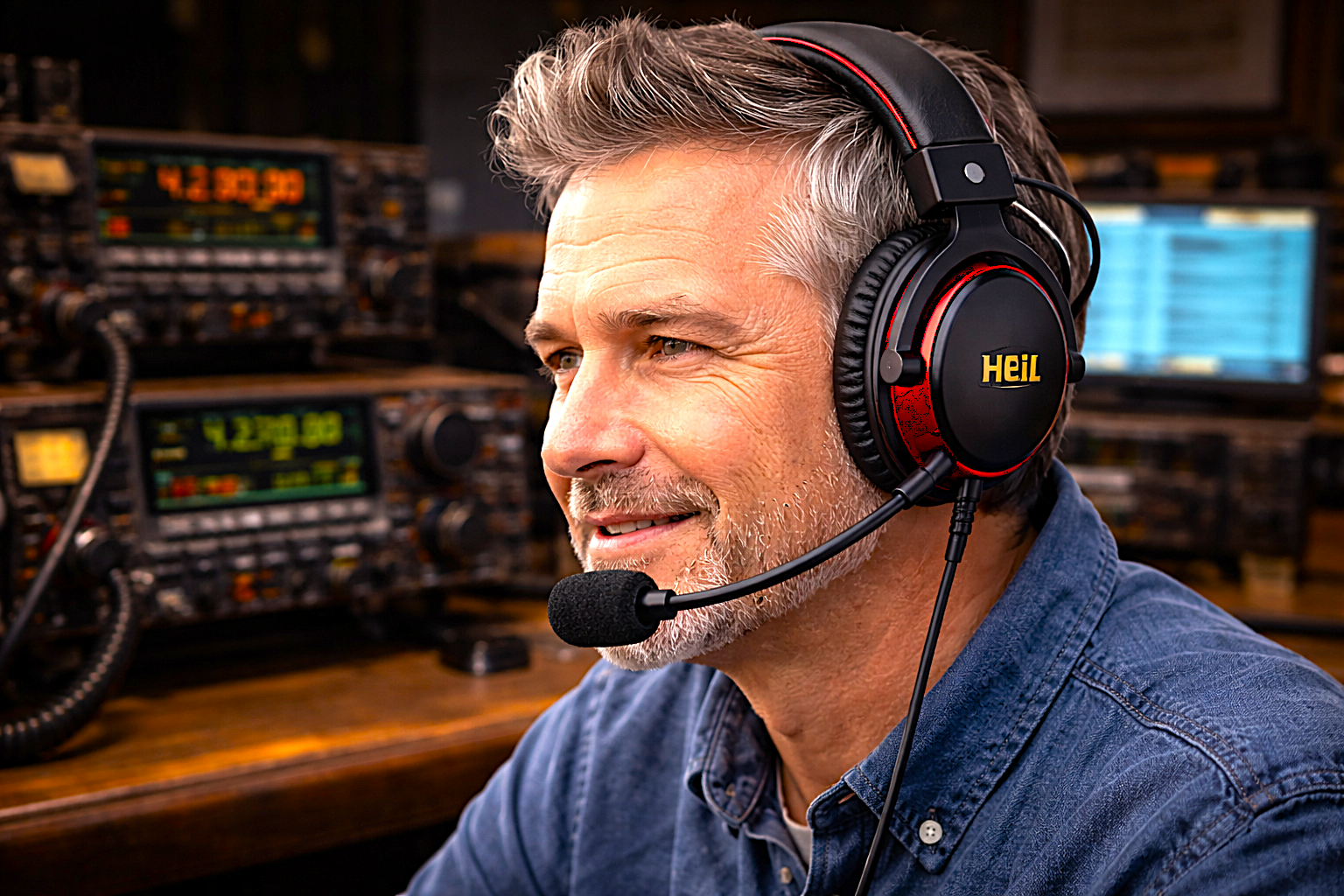
Heil Pro Set Elite Series: Best All-Purpose Ham Radio Headset
Heil Pro Set Elite: Best Overall Ham Radio Headset
The Heil Pro Set Elite stands out as the best all-purpose ham radio headset because it delivers balanced receive audio, natural voice transmission, and excellent noise rejection.
Its dynamic microphone captures clean, articulate speech while minimizing background noise, which makes it ideal for contesting, DXing, and daily operation. In addition, the audio response remains smooth and intelligible across HF bands, helping operators copy weak signals more easily.
The padded ear cups and adjustable frame support long operating sessions without fatigue. As a result, this headset performs equally well in casual ragchews and high-pressure pileups.
Best for: All-around operators, contesters, DXers
Upgrade your station audio today, check current pricing and grab the Heil Pro Set Elite now before your next operating session.
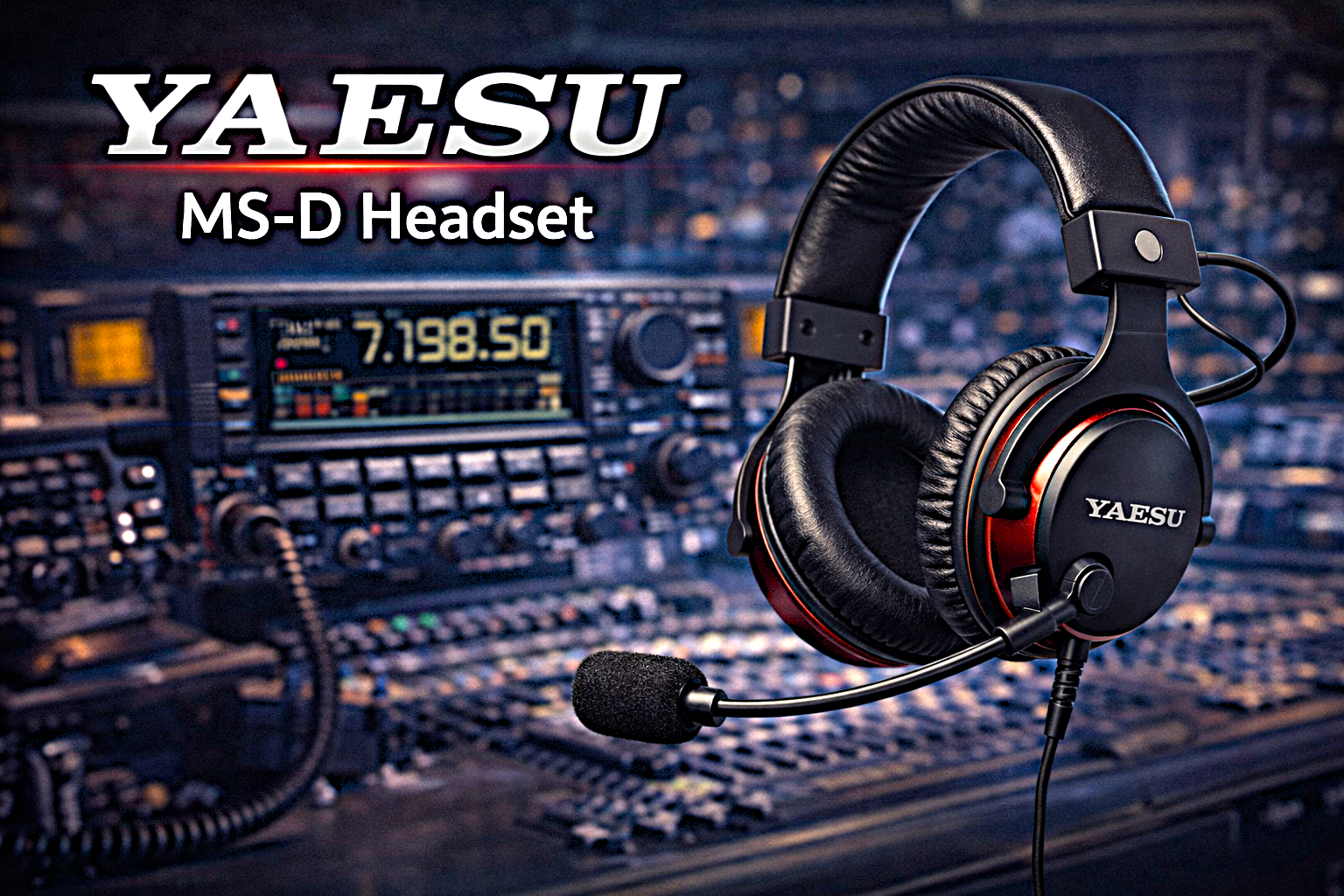
Yaesu MS-D Headset: Best for Long Operating Sessions
The Yaesu MS-D headset excels in comfort and consistent audio performance, making it ideal for fixed station operators.
Its over-ear design reduces external noise while distributing pressure evenly, allowing for hours of fatigue-free use. Meanwhile, the microphone delivers stable, clear transmit audio that performs well across SSB and digital modes.
Because Yaesu tuned the audio profile for speech clarity, operators can better distinguish weak or fading signals.
Best for: Base stations, nets, long QSOs
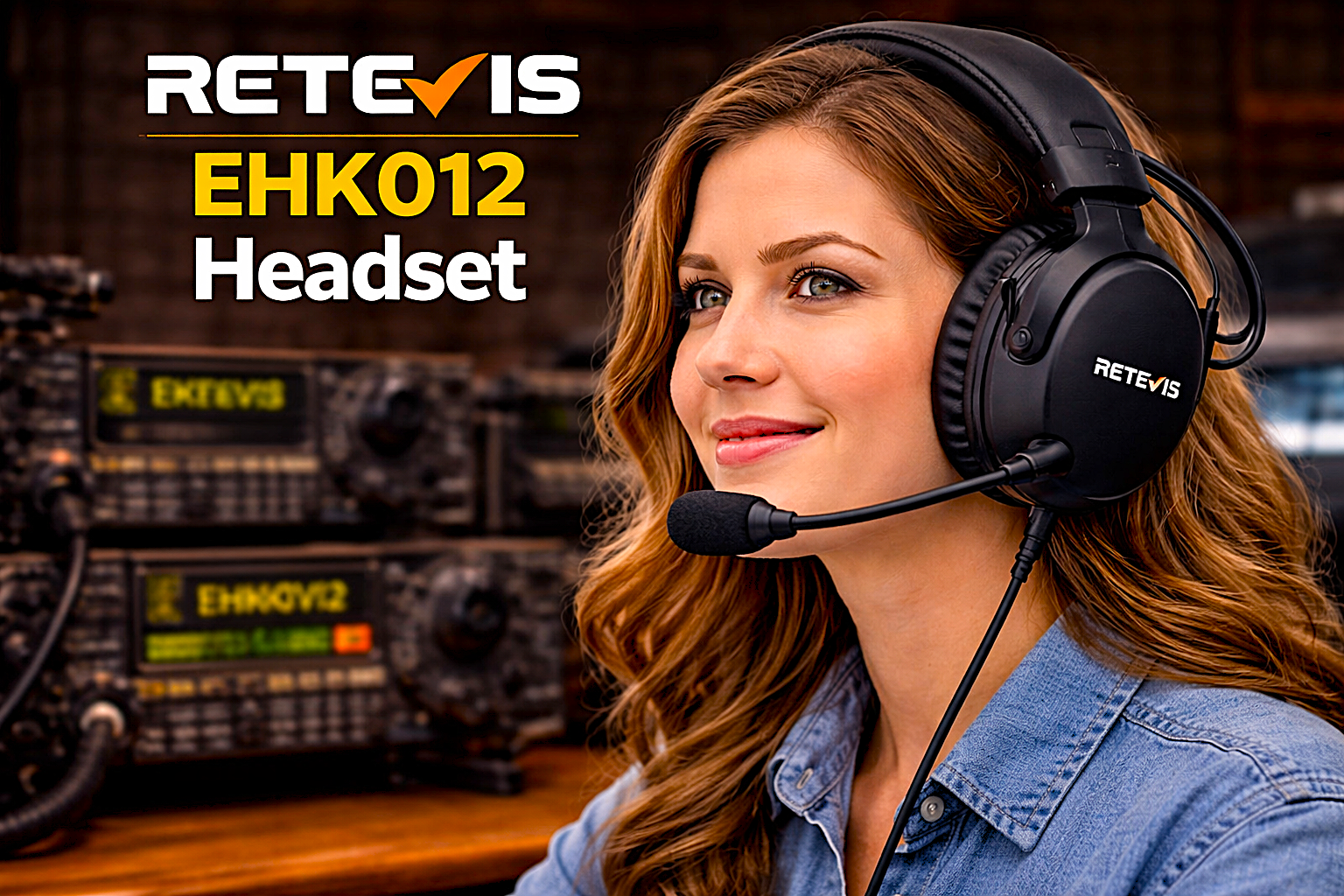
Retevis EHK012: Best Budget Ham Radio Headset
The Retevis EHK012 offers a simple, affordable solution for operators who need reliable communication without high cost.
Its lightweight design and acoustic tube earpiece provide discreet and functional audio, while the inline push-to-talk microphone allows fast transmission control. Although it lacks the depth of premium headsets, it performs well for basic communication needs.
Best for: Budget setups, portable use, backup gear
Upgrade your communication setup today and experience clearer, hands-free operation, grab the Retevis EHK012 now and stay connected when it matters most.
Best Ham Radio Headsets Comparison
| Headset | Best For | Strength | Weakness |
|---|---|---|---|
| Heil Pro Set Elite | All-around use | Balanced audio | Higher cost |
| Yaesu MS-D | Comfort | Long wear | Less portable |
| Retevis EHK012 | Budget | Affordable | Limited audio depth |
How to Choose the Right Ham Radio Headset
Choose your headset based on how you operate:
- Contesting / DXing: prioritize noise rejection and mic clarity
- Ragchewing: prioritize comfort and natural audio
- Portable operation: prioritize lightweight and durability
- Digital modes: prioritize clean, distortion-free transmit audio
Matching your headset to your operating style improves both performance and enjoyment.
Wireless Ham Headsets: Emerging Options for Flexibility
Although most ham operators prefer wired headsets for reliability, 2026 has seen the rise of wireless solutions that remain usable on HF and VHF rigs with adapters. These headsets offer mobility, and they handle receive audio with enough fidelity that operators can walk around their station while listening. Because they use robust digital links, latency stays low, and voice transmission remains clear when routed through a proper radio interface.
However, remember that wireless setups depend on adapters or interface cables that maintain radio audio integrity. Therefore, if flexibility matters more than pure simplicity, these models deserve serious consideration.
Tuning Your Ham Radio Audio Path
Once you choose a headset, you still need to tune your radio’s audio settings. First, adjust your radio’s AF gain so receive audio stays loud enough without distortion. Next, set mic gain so your local audio stays strong on the air without clipping. Then, use equalization (if available) to flatten your audio or emphasize speech frequencies around 1.5–3 kHz, because that range holds consonant clarity most operators perceive as intelligible.
Also, test on local repeaters or a friendly net so you can evaluate your voice quality on real-air conditions. Make small incremental adjustments until your audio sounds natural to others and you avoid over-processing that causes artifacts.
How to Test Headset Clarity Before You Buy
Before you finalize a headset purchase, test it in scenarios similar to your typical operating. First, try receive audio with varied signal strengths — from strong skip to weak fading carriers. Listen for distortion or loss of detail. Then, speak into the mic and record a sample with a second microphone or recorder. If your voice sounds clear and natural instead of thin or boxy, the headset passes the clarity test.
Also, test comfort during extended wearing. Because poor comfort distracts from clarity, you want ear pads that cushion without pressure. Finally, try noise rejection tests by operating in noisy areas so you ensure the mic focuses on your voice, not room noise.
Which Ham Radio Headset Is Right for You?
If you need an all-purpose headset for shack and contest use, the Heil Pro Set Elite Series stands out. Operators who want simple plug-and-play performance may prefer the Kenwood SP-23 Series. For base station comfort and clarity, the Yaesu MS-D delivers consistently natural audio. Portable hams will benefit from the Buddipole B11’s lightweight design, and those in noisy environments should consider the G-Tekk Elite Noise-Reject Headset.
Why Your Ham Radio Audio Sounds Bad (And How to Fix It)
If your audio sounds poor:
- Reduce mic gain to avoid distortion
- Check connector compatibility and wiring
- Adjust EQ to emphasize speech frequencies (1–3 kHz)
- Eliminate background noise sources
- Test audio with another operator or recording
Most audio problems come from improper setup—not the headset itself.
Final Verdict: Best Ham Radio Headsets for 2026
The best ham radio headset depends on your operating style, but overall, the Heil Pro Set Elite delivers the best balance of performance, comfort, and clarity.
Operators who prioritize long sessions should choose the Yaesu MS-D, while budget-conscious users will find the Retevis EHK012 more than sufficient.
Choosing the right headset improves both what you hear and how you sound—making it one of the most important upgrades in any ham radio station.
Frequently Asked Questions About Ham Radio Headsets
What is the best headset for ham radio?
The Heil Pro Set Elite is widely considered the best overall due to its balanced audio and mic quality.
Do headsets improve ham radio audio quality?
Yes. A good headset improves both receive clarity and transmit intelligibility.
Are expensive headsets worth it?
Higher-end models provide better comfort, clearer audio, and improved noise rejection.
Can I use a regular headset for ham radio?
Not always. Ham radio headsets require proper impedance and connector compatibility.
About the Author
Vince, W2KU, is a licensed Extra class amateur radio operator and the founder of Ham Shack Reviews. The club committee named him Amateur of the Year in 2026 for his contributions to amateur radio education and equipment evaluation.
He primarily operates HF, knows propagation very well, operates mobile and handhelds daily. Vince exchanges QSL cards for DXCC, contest confirmation, and award tracking and is the club QSL manager. His guidance focuses on practical operating procedures, accurate logging, and real-world amateur radio practices.
Please consider Donating to help support this channel