
Weatherproofing ham radio gear for field operations is essential for reliable communication in unpredictable conditions. Whether you are operating portable HF, participating in Field Day, or activating a POTA site, exposure to rain, humidity, wind, and temperature swings can quickly impact performance.
Unlike general outdoor gear, ham radio equipment includes sensitive RF components, connectors, and power systems that require specific protection methods. Without proper weatherproofing, operators often experience signal loss, equipment failure, and corrosion issues.
This guide focuses specifically on protecting ham radio equipment in real-world field conditions, using proven techniques that operators rely on.
New to the hobby? Start with our Complete Guide to Ham Radio Fundamentals.
Why Weatherproofing Matters for Ham Radio Field Operations
Ham radio setups used in the field are especially vulnerable because they rely on exposed antennas, coax connections, and portable power systems.
Common failure points include:
- Coax connectors taking on water
- Antennas detuning due to moisture
- Battery voltage drops in cold weather
- RF noise caused by wet or poorly insulated connections
Unlike indoor stations, field setups must operate reliably in constantly changing environmental conditions.
Weatherproofing HF Setups and Portable Operations
Portable HF setups used in POTA activations, Field Day, and emergency deployments are especially vulnerable to weather exposure because nearly every component is deployed outdoors.
Unlike VHF/UHF mobile installations, HF stations typically involve:
- External antennas (dipoles, end-fed wires, verticals)
- Ground systems or counterpoises
- Long coax runs
- Portable power sources
During POTA and Field Day operations, setups often remain active for hours in changing conditions. Rain, humidity, and temperature shifts can detune antennas, introduce noise, and degrade signal quality.
Because of this, HF operators must prioritize connection sealing, cable protection, and equipment elevation to maintain consistent performance.
Choosing the Right Protective Cases and Bags
One of the most effective methods of weatherproofing gear is using durable protective cases. Hard cases with foam inserts prevent physical damage while keeping out water and dust. Furthermore, soft waterproof bags and dry sacks provide flexibility for lighter loads and can be easily packed into backpacks.
When selecting cases, ensure they are rated for the specific conditions you expect, such as IP67 or IP68 ratings for water and dust resistance. Moreover, consider impact resistance, as rough terrain can cause drops and knocks during field operations. Using the correct protective case ensures that equipment stays functional even in challenging environments.
Weatherproofing Gear and Electronics
Electronic devices are particularly vulnerable to moisture and condensation. To prevent damage, operators often apply silicone or rubber gaskets to enclosures, sealing gaps around panels and ports. Additionally, using conformal coatings on circuit boards can protect sensitive components from corrosion.
It is important to store batteries and spare electronics in sealed containers when not in use. Furthermore, some operators use desiccant packs to absorb excess humidity within storage cases. By combining sealing techniques with moisture-absorbing materials, you can significantly reduce the risk of weather-related electronic failures.
Antenna and Cable Protection
Field antennas and cabling are highly exposed to the elements, and improper protection can lead to signal loss or equipment failure.
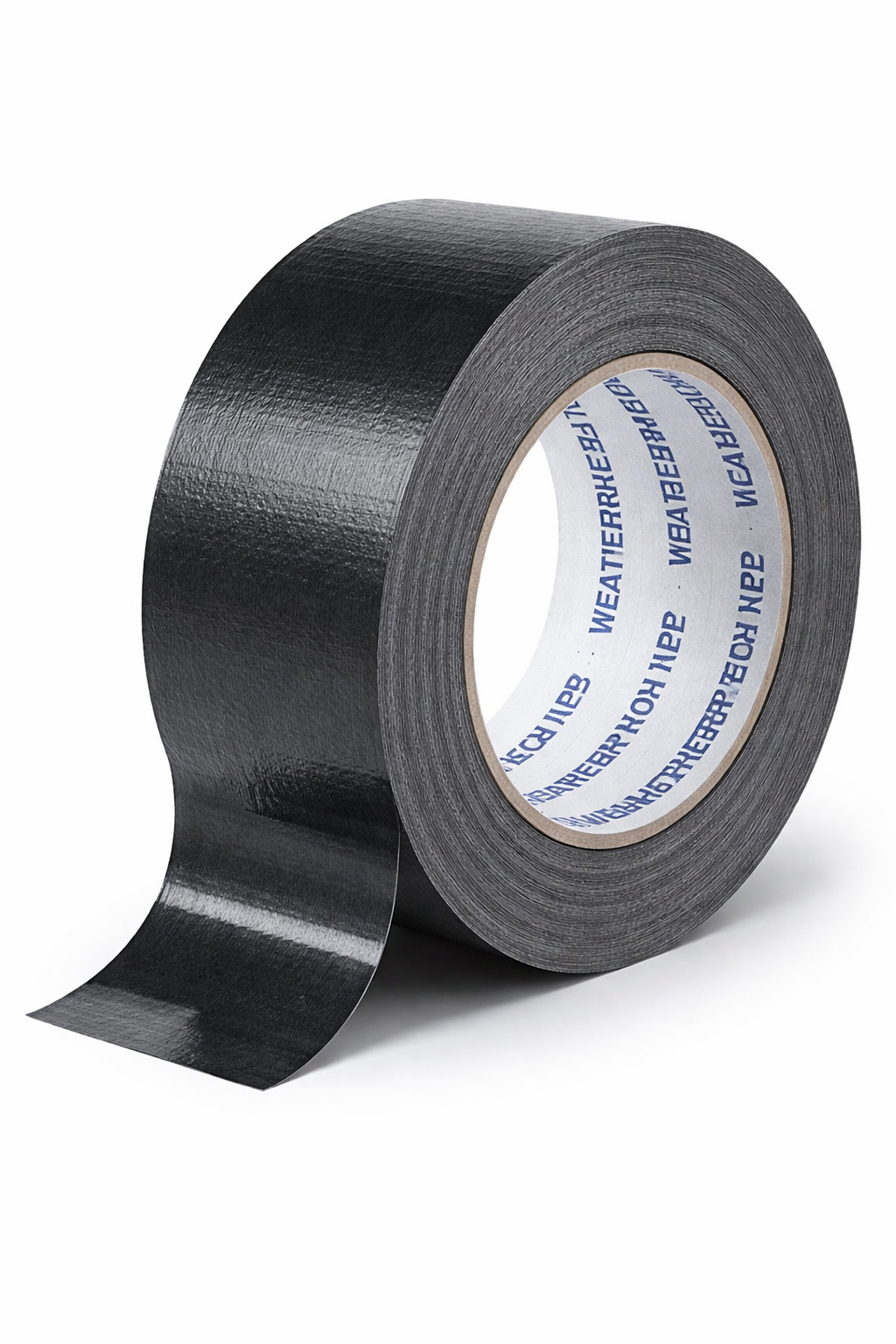
Applying self-amalgamating tape around connectors creates a waterproof seal that prevents water ingress.
In addition, using UV-resistant coaxial cables extends their lifespan when exposed to sunlight.
Operators often employ antenna covers or lightweight tarps to shield components from rain or snow during long deployments. Moreover, securing cables off the ground prevents them from collecting water, mud, or ice. Protecting antennas and cabling is essential to maintaining signal integrity and operational reliability.
RF Connection Sealing Techniques
Properly sealing RF connections is critical in outdoor environments.
Best practices include:
- Use self-amalgamating tape followed by electrical tape
- Apply coax seal around PL-259 and N connectors
- Create a drip loop to prevent water from entering connectors
Failure to seal connections properly is one of the leading causes of signal degradation in field operations.
RF Noise and Moisture Protection in the Field
Moisture and contamination at RF connection points can introduce noise, increase SWR, and reduce transmit efficiency.
Key protection methods include:
- Sealing all coax connectors with coax seal and tape layering
- Keeping feedpoints elevated off wet ground
- Avoiding water pooling near baluns and ununs
- Using ferrite chokes to reduce common-mode noise on wet coax
In wet conditions, even properly tuned antennas can behave unpredictably due to conductivity changes in surrounding surfaces. This is especially noticeable in HF bands.
Shelter and Environmental Barriers
Creating a shelter is another effective weatherproofing strategy. Pop-up tents, tarps, and portable canopies provide temporary protection for operators and equipment. For example, erecting a simple windbreak can reduce exposure to cold gusts and flying debris.
In addition, portable flooring or raised platforms can prevent equipment from sitting in puddles or mud. Combining shelters with drainage solutions, such as shallow trenches around the setup, keeps water from pooling near critical gear. Consequently, even temporary field installations can remain functional in harsh conditions.
Clothing and Personal Gear Considerations
Weatherproofing gear is not limited to equipment; operators themselves need protection. Waterproof jackets, gloves, and boots prevent discomfort and fatigue, which can lead to mistakes or accidents. Furthermore, thermal layers and moisture-wicking materials help maintain body temperature and prevent condensation from affecting handheld devices.
Operators who remain dry and comfortable are better able to manage sensitive gear and maintain situational awareness. Therefore, investing in proper personal gear indirectly protects the equipment by ensuring operators can handle it safely and efficiently.
Power Supply and Battery Protection
Batteries are particularly sensitive to temperature and moisture extremes. Cold temperatures reduce battery efficiency, while heat can cause leaks or permanent damage. Storing batteries in insulated containers or using thermal wraps helps maintain stable operating temperatures.
Additionally, waterproof battery packs or enclosures prevent accidental short circuits caused by rain or humidity. Some operators also carry backup power sources in sealed containers, ensuring uninterrupted operation during extended deployments. Properly protecting power supplies guarantees that communications and monitoring equipment continue to function reliably.
Routine Maintenance and Inspection
Even the most carefully weatherproofed gear requires ongoing maintenance. Regular inspections for cracks, wear, or corrosion ensure that protective measures remain effective. Additionally, cleaning equipment after exposure to rain, dust, or saltwater prolongs its lifespan.
Operators should check seals, gaskets, and tape periodically, replacing them when compromised. Furthermore, conducting pre-deployment drills helps identify vulnerabilities before they become critical issues. By combining weatherproofing with routine maintenance, operators can sustain reliable field performance over time.
Real Operator Experience in the Field
In actual field operations, the most common issue operators encounter is water intrusion into coax connectors. Even a small amount of moisture can cause high SWR and poor transmit performance.
Operators also report that:
- Cheap coax fails quickly when exposed to UV and rain
- Improperly sealed connectors are the #1 failure point
- Batteries lose significant capacity in cold weather
Many experienced operators rely on layered protection sealing connections, elevating equipment, and carrying backup components to maintain reliability.
What Actually Fails in the Field
From real-world portable operation experience, the most common failures are not radios. They are connection points and environmental exposure issues.
The most frequent problems include:
- Water intrusion into coax connectors
Even a small amount of moisture can spike SWR and kill performance - Unsealed PL-259 connectors
These are one of the biggest failure points during rain events - Coax lying on wet ground
This can introduce noise and change antenna behavior - Battery performance loss in cold weather
Portable LiFePO4 and SLA batteries lose efficiency quickly in low temperatures - Wind stress on antennas and feedpoints
Movement can loosen connections and introduce intermittent signal issues
Experienced operators often say:
👉 “If something fails in the field, it’s almost always a connection and not the radio.”
Proven Field Techniques Used by Operators
Operators who regularly work POTA activations and Field Day events rely on a few consistent techniques:
- Elevate all connections off the ground using rope or supports
- Use drip loops on every coax run
- Double-seal connectors (coax seal + tape)
- Keep radios and batteries inside weather-resistant enclosures
- Carry spare connectors, coax jumpers, and tape
These simple practices dramatically reduce failure rates and improve reliability during extended outdoor operation.
Advanced Weatherproofing Techniques
For operators who frequently work in extreme conditions, additional measures may be necessary. Conformal coatings, corrosion-resistant materials, and hermetically sealed enclosures offer higher levels of protection. Additionally, using desiccants, silica gel packs, and moisture-absorbing pouches inside cases prevents condensation buildup.
Some operators employ portable heating elements or ventilation systems to control temperature and humidity inside shelters. By implementing these advanced techniques, even delicate electronics and precision instruments can withstand the harshest environments.
The Importance of Planning Ahead
Ultimately, effective weatherproofing gear starts with careful planning. Understanding the local climate, anticipating sudden changes, and preparing gear accordingly reduces the risk of equipment failure. Additionally, operators should always carry contingency tools, spare parts, and repair materials to address unforeseen issues.
Weatherproofing is a proactive process that combines equipment selection, protective measures, and personal readiness. Consequently, operators who plan thoroughly can conduct field operations safely and efficiently, regardless of environmental challenges.
Industry organizations like the ARRL emphasize proper grounding, sealing, and environmental protection to ensure reliable ham radio operation in the field.
Frequently Asked Questions
How do you protect coax connectors from rain?
Use self-amalgamating tape, coax seal, and proper drip loops.
Can moisture affect SWR?
Yes, water intrusion can significantly increase SWR and reduce performance.
What is the best way to protect a portable HF station?
Use sealed cases, elevate equipment, and protect all RF connections.
Please consider Donating to help support this channel