
Fun Ham Radio Activities You Can Try Today
Fun Ham Radio Activities offers far more than just talking on the air. From contesting and portable activations to building antennas and supporting emergency communications, ham radio provides a wide range of engaging and practical activities for operators at every skill level.
This guide breaks down the most popular ham radio activities, how they work, and how you can get started, whether you are newly licensed or looking to expand your operating experience.
Many people that are not involved in amateur radio may think you just talk on the radio. There is a large amount of fun ham radio activities that you can participate in. Talking on the radio with new, and old friends is just one of them. Many of these have a social aspect with events, meeting, and meals.
For a complete breakdown of how to build and operate an effective field station, see our Portable Amateur Radio Operations Guide, which covers real-world setups, power strategies, and operating techniques.
What Can You Do With Ham Radio
Many new operators assume amateur radio is limited to voice communication, but the hobby includes technical experimentation, competition, emergency service, and outdoor activities.
Operators can participate in contests, activate parks and summits, build antennas, experiment with digital modes, and support real-world events. This variety is one of the reasons amateur radio remains a lifelong hobby for many operators.
New to the hobby? Start with our Complete Guide to Ham Radio Fundamentals.
On-Air Ham Radio Activities
Ham Radio Contests Explained
Ham radio contests are organized events where operators attempt to make as many contacts as possible within a specific time period. Each contest has its own rules, exchange format, and scoring system.
Contesting helps operators improve operating skills, understand propagation, and test station performance under real conditions.
Contests – There is a wealth of ham radio contests, there are large and small ones. They will each have similar requirements like a signal report and exchange. Signal reports are pretty standard, while the exchanges can vary greatly. Some exchanges will be your state. age, county, or a serial number.para
Contests usually have specific goals to achieve. These can be working as many stations, counties, states, countries, or prefixes. There are certificates, and even plaques given out to the winners. Many of these contests will have several categories like youth, rookie, senior, and several others offering more chances to win.
What Is ARRL Field Day
Field Day is one of the most important annual events in amateur radio, combining emergency preparedness, portable operation, and contesting into a single weekend activity.
It allows operators to practice setting up stations in temporary locations while testing equipment, antennas, and operating skills under real-world conditions.
Field Day
Field day is a once a year event where a large amount of hams will set up temporary stations and work as many contacts as possible. This event occurs over a Saturday-Sunday time frame and has several classes depending on the amount of stations set up, type of supply power used, and modes.
There are several ways to earn extra points like publicly advertising the event, having an official stop at by, and using higher point earing modes. The ARRL field day rules can be found on their website. This can also be a training event for emergency management teams.
Special Events
There are many special events that vary greatly, but are always a fun way to participate. Some of these are nascar races, historic events, and current events. I personally worked the largest ball of yarn, and the largest tea cup. To get the most out of special events is to set up and activate one.
Portable Ham Radio Activations (POTA, SOTA, IOTA)
Portable operating programs like Parks on the Air (POTA), Summits on the Air (SOTA), and Islands on the Air (IOTA) have become some of the fastest-growing areas in amateur radio.
These activities combine outdoor adventure with radio operation, requiring lightweight equipment, efficient antennas, and an understanding of propagation.
Activations
POTA, SOTA, and IOTA – Special events and field day can be activation, but I want to talk about POTA, SOTA, and IOTA. Parks on the air(POTA) is an event where hams will go to a park and set up a temporary station. The goal is to work as many chasers as possible. There are two sides to POTA, you have the activator, and the chaser who makes contact with the activator.
The exchange will be to park designator, and the chaser’s exchange is their state/country. The chasers will try to work as many parks as possible. They have awards for both activators and chaders.
SOTA works the same as POTA except with summits/mountains. There is a physical component, because hiking is usually involved. IOTA is also like POTA except you are activating/chasing islands on the air.
Youth in the air(YOTA) is a great way to get new generations involved in amateur radio. YOTA usually consists of a groups of youngsters operating a contest. You can find out more about youth on the air.
What Is DXing in Ham Radio
DXing refers to making contacts with stations outside your country or over long distances. Many operators pursue DX as a long-term goal, working toward awards and recognition for contacting new countries.
Successful DXing requires understanding propagation, antenna performance, and operating technique.
DXing – Chasing DX is an activity that many hams like to do. DX simply means a statio that is outside of your country. There are awards and honor rolls for getting the most countries worked.
Off-Air Ham Radio Activities
Some off air activities are also fun and can be social as well. These can be teaching projects to learn more about antennas or electronics. Some of these are:
Building Your Own Antennas
Building antennas is one of the most rewarding parts of amateur radio. Many operators start with a simple dipole antenna, which can be built with basic tools and minimal materials.
For accurate antenna dimensions, using a dipole calculator can help determine the correct length before building and tuning.
Building Antennas – Many hams start by building a dipole antenna, with a little basic antenna theory, a few hand tools, and minimal material. Anyone can build a good antenna. Having a good antenna analyzer well be necessary for tuning to resonance.
Building Kits/Projects – Building kits will teach you to solder, learn electronics, and instill confidence in your abilities. It is a good way to spend time with family, or friends.
Club Events – A large amount of hams will join a club. These are great for making local friends, and learning more about ham radio. There are also club activities to participate in. You can choose to be a club officer or board member to get more involved. Some of our club members get together for breakfast every Monday morning, and we gather for dinner before the monthly club meeting.
What Is a Hamfest
Hamfests are large gatherings of amateur radio operators where equipment is bought, sold, and traded. They also provide opportunities to meet other operators, learn about new equipment, and participate in community events.
Hamfests – Throughout the year there are hamfests all over the United States and other countries. A hamfest is like a large multi family yard sale, but with hams and radio gear. If you are looking to buy or sell some equipment, the hamfest is the place to go. They also make great places to meet new hams and learn about radio gear you never owned while talking and making friends.

Ham Radio as a Family Activity
Ham radio is one of the few technical hobbies that can involve the entire family. Many families participate together, building antennas, operating stations, and attending events.
Ham Radio Families
Ham radio can be a large part of families where most or all members get their license. This means ham activities can be family events and a great way to stay involved with your children. It will teach you children responsibility, keep them busy and away from peer pressures that may lead them astray.
Ham radio is often a lifelong pursuit for many, this will build lasting relationships with your children keeping you together well after they leave the nest.
Fun Ham Radio Activities
There are many modes in amateur radio, some of them are more fun the others. There is no doubt you will find one you like most, but will like to do several of them. Here are just a few:
Popular Ham Radio Operating Modes
Phone(SSB) – This is usually them one most people start with, because we already know how to talk. Then expanding on this by learning Morse code and digital modes will improve the fun.
Morse Code(CW) – CW is another one of the fun ham radio activities, and it makes it much easier to chase DX. Learning Morse code is an activity in itself. This takes time and commitment, have a training partner will be helpful. A great place to learn is CW Academy.
Digital Modes – High frequency digital modes like FT4 and FT8 have taken a foothold, and bring in many new and younger hams. These are low power modes with the signals being received and processed by a computer.
VHF/UHF
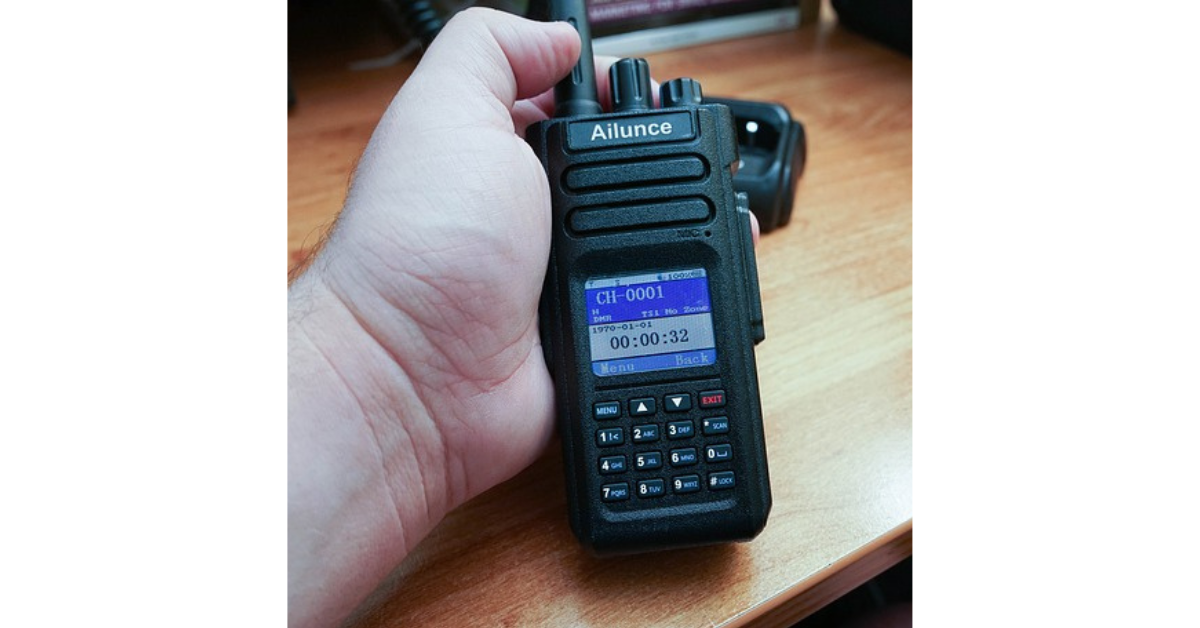
VHF/UHF Digital Modes – There are several digital on VHF/UHF that will let you talk to the world using voice over internet protocol(VOIP). All you need is a radio and a hotspot and internet, or be able to reach a repeater that has a VOIP mode enables. These modes are good for hams that have antenna restrictions. Any VHF/UHF radio with a digital mode can talk to a hotspot or repeater any where in the world.
The most common of these modes are:
- Digital mobile radio(DMR)
- D-Star
- System fusion(C4FM)
Emergency Communications and Public Service
Amateur radio plays a critical role in emergency communications when traditional systems fail. Organizations such as ARES, RACES, and AUXCOMM provide trained operators who support emergency operations.

Services
Emergency Management – Hams operating as emergency management teams have been around almost as long as ham radio. There are ARES and RACES teams as well a combination of both called AUXCOM. Hams will volunteer their equipment and their time when an emergency arises. We have activated during, hurricanes, floods, tornados, to provide communications for our county emergency operations center(EOC).
Real-World Experience and Skill Development
Participating in a variety of ham radio activities helps operators develop technical knowledge, operating skill, and confidence. Whether building antennas, operating portable, or supporting emergency communications, each activity contributes to a deeper understanding of radio systems.
Volunteer Events – Many hams will choose to work events to provide communications, security, or support. Every year members of our volunteer to work the MS150 bike ride as route communicators and other positions. The MS150 is a bike ride that earns money through donations for multiple sclerosis. We provide up to the minute reports of positions, get the riders help if needed, and assist any way we can.
You will find one or more od the fun ham radio activities you like. Get your license, respect the bands and other hams, and have fun.
Frequently Asked Questions
What are the most popular ham radio activities?
Contesting, portable activations like POTA and SOTA, DXing, and building antennas are among the most popular activities in amateur radio.
Can beginners participate in ham radio activities?
Yes, many activities such as local contacts, simple antenna building, and digital modes are beginner-friendly and require minimal equipment.
What equipment do I need to start?
A basic transceiver, antenna, and power source are enough to begin. Additional equipment depends on the type of activity you choose.
What is the easiest ham radio activity to start with?
Voice communication on HF or VHF bands is typically the easiest starting point for new operators.
About the Author
Vince, W2KU, is a licensed Extra class amateur radio operator and the founder of Ham Shack Reviews. The committee named him Amateur of the Year in 2026 for his contributions to amateur radio education and equipment evaluation.
He runs Ham Shack Reviews across both his website and YouTube channel, where he shares in-depth guides, real-world operating techniques, and equipment insights for amateur radio operators.
He primarily operates HF, knows propagation very well, operates mobile and handhelds daily. Vince exchanges QSL cards for DXCC, contest confirmation, and award tracking and is the club QSL manager. His guidance focuses on practical operating procedures, accurate logging, and real-world amateur radio practices.
Please consider Donating to help support this channel